 Save
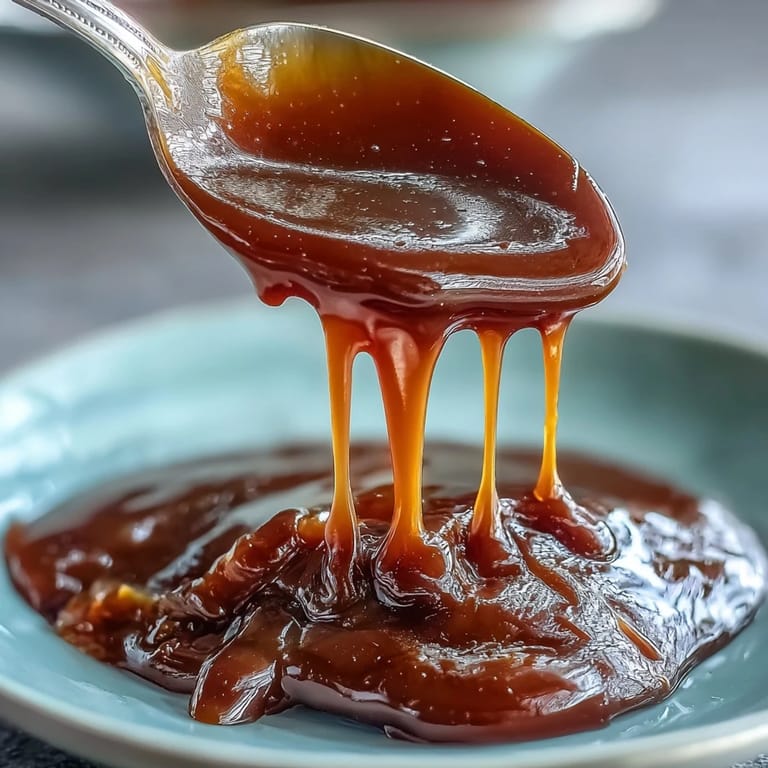
Save I discovered miso caramel by accident while standing in my kitchen on a rainy Tuesday, holding a jar of white miso I'd bought for soup but never opened. My roommate had just devoured the last of my regular caramel, and instead of running to the store, I wondered what would happen if I stirred that funky-smelling paste into a fresh batch. The result was nothing short of magic—a sauce that tasted like someone had whispered a secret into caramel's ear, making it deeper, more interesting, and oddly sophisticated without losing any sweetness.
I made this sauce for my neighbor's dinner party, drizzled it over vanilla ice cream, and watched a grown man close his eyes like he was experiencing something spiritual. He asked for the recipe three times that night, each time more insistent. That's when I realized this wasn't just a happy accident—it was the kind of sauce that changes how people think about caramel.
Ingredients
- Granulated sugar: Use standard white sugar, nothing fancy needed—it's the heat that matters, not the type.
- Water: Just enough to get the sugar moist before the magic happens on the stovetop.
- Heavy cream, room temperature: Cold cream can seize the hot caramel, so let it sit on the counter while you cook the sugar.
- Unsalted butter: Cuts the richness slightly and adds silkiness; room temperature works best.
- White miso paste: The secret weapon that brings umami and prevents the sauce from being one-dimensional sweet.
- Vanilla extract: Optional but recommended—it rounds out the flavor and masks any sharp edges.
- Sea salt: A pinch at the end wakes everything up and balances the sweetness.
Tired of Takeout? 🥡
Get 10 meals you can make faster than delivery arrives. Seriously.
One email. No spam. Unsubscribe anytime.
Instructions
- Toast your sugar into liquid gold:
- Pour sugar and water into your heavy-bottomed pan, stir once to moisten, then walk away and let the heat do the work. Watch it transform from white to pale yellow to amber—this usually takes 7 to 9 minutes depending on your stove.
- Add the cream with respect:
- The moment the caramel hits that deep amber, pull it off heat and slowly pour in the room-temperature cream while whisking. It will bubble and hiss and make you jump a little, but that's exactly what should happen.
- Melt the butter in smooth:
- Whisk in the butter cubes one at a time until each one disappears completely before adding the next. This creates that silky, luscious texture that makes the sauce feel expensive.
- Introduce the miso paste:
- Whisk in the miso paste until no streaks remain—don't just stir, actually whisk it so it incorporates evenly and you get consistent umami throughout.
- Season and cool slightly:
- Add vanilla extract if using it and a pinch of sea salt, stir once more, then let the sauce sit for a few minutes. It will thicken as it cools, reaching that perfect consistency for drizzling.
 Save
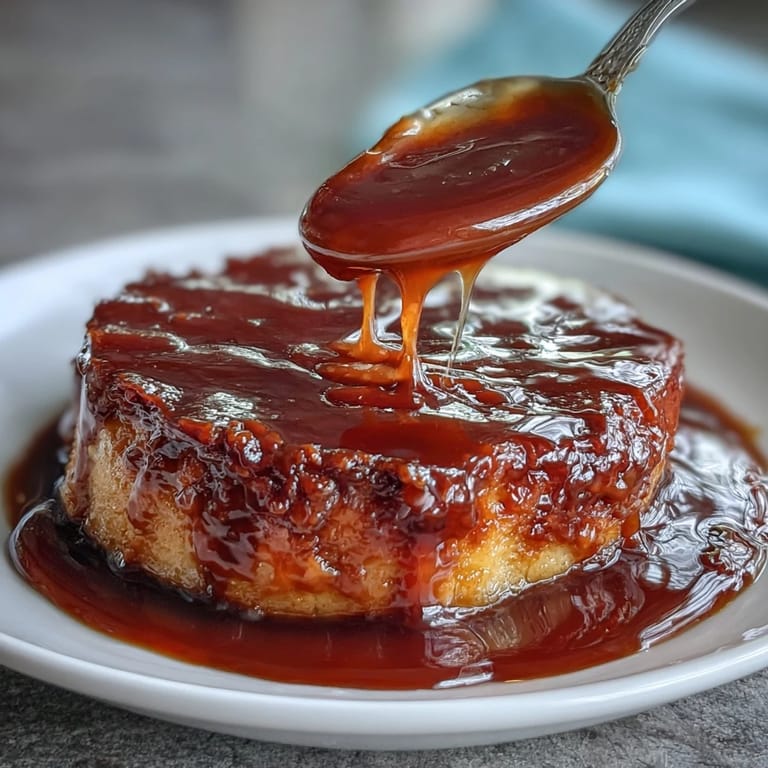
Save The real moment this sauce became essential to my kitchen was when I made it for a date who mentioned they loved things with unexpected flavor combinations. Watching them taste it, I saw something shift—they understood immediately that this wasn't regular caramel, and they wanted to know everything about it. Sometimes food is just about feeding people, but sometimes it's about showing them you pay attention to details and take chances.
The Science Behind the Savory Sweetness
Caramel is all about sugar transforming under heat, becoming complex and slightly bitter at the edges, which is why it tastes so good. White miso adds umami—that fifth taste that makes your brain lean in closer—and it quiets down the one-note sweetness that can make regular caramel feel cloying after a few bites. The cream and butter smooth everything out into a unified sauce that tastes more sophisticated than the sum of its parts.
How to Use This Sauce in Real Life
I've drizzled this over vanilla ice cream, swirled it into Greek yogurt, dipped apple slices into it straight from the jar, and even used it as a filling between thin crepes. The magic is that it's sweet enough for dessert but savory enough to feel like something special, not just an afterthought. One time I poured it over roasted figs and served it to friends who insisted it tasted like something from a restaurant I definitely hadn't visited.
Storage and Reheating for Maximum Enjoyment
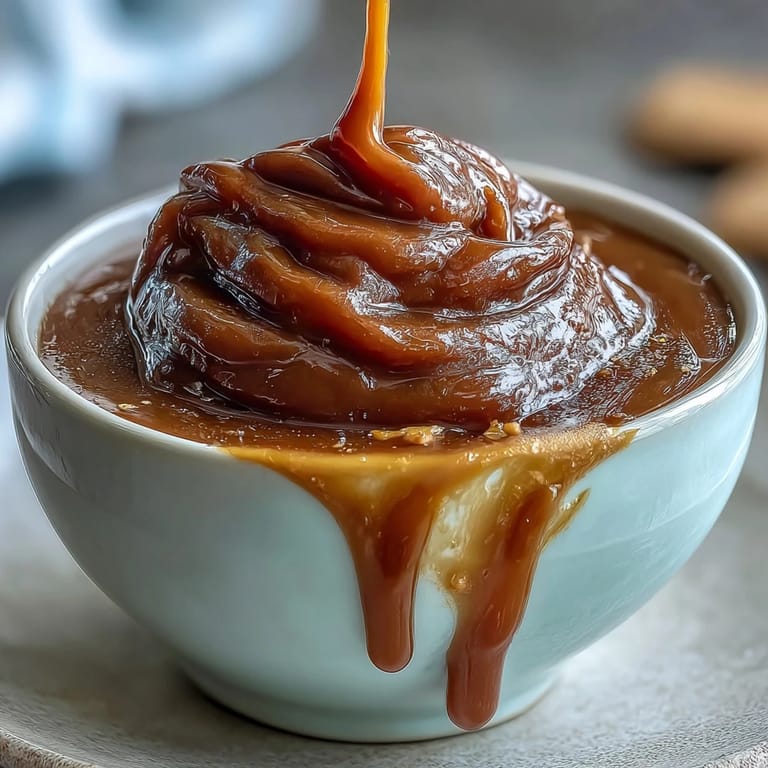
Store this sauce in an airtight container in the refrigerator where it will keep for up to two weeks, getting slightly thicker each day as it cools completely. When you want to use it again, warm it gently over low heat or in 10-second bursts in the microwave until it reaches that pourable consistency. The flavor actually deepens as it sits, so a week-old batch tastes even better than the day you made it.
- If the sauce gets too thick, add a splash of warm cream and whisk until smooth again.
- You can make a vegan version using coconut cream and plant-based butter without changing the technique at all.
- Red miso paste creates a deeper, more intense version if you want to experiment once you've mastered the white miso version.
 Save
Save This sauce has somehow become the thing people request most often when they come to my kitchen, which is funny because it's also the simplest thing I make. There's something about taking humble ingredients and turning them into something that tastes like it required real skill—that's the kind of magic I keep coming back to.
Recipe FAQ
- → What gives the caramel its unique flavor?
The addition of white miso provides an umami richness that balances the sweetness of the caramel.
- → Can I make a dairy-free version?
Yes, substitute heavy cream with coconut cream and use plant-based butter for a vegan-friendly alternative.
- → How should I cook the sugar without burning it?
Cook over medium heat without stirring, watching closely until it reaches a deep amber color, about 7–9 minutes.
- → What desserts pair well with this sauce?
It complements ice cream, pancakes, roasted fruits, and works well as a dip for apples and pears.
- → How long can the sauce be stored?
Store refrigerated in an airtight container for up to two weeks; rewarm gently before using.
- → Can I adjust the umami intensity?
Yes, increase or decrease the amount of miso paste to suit your preferred depth of flavor.