 Save
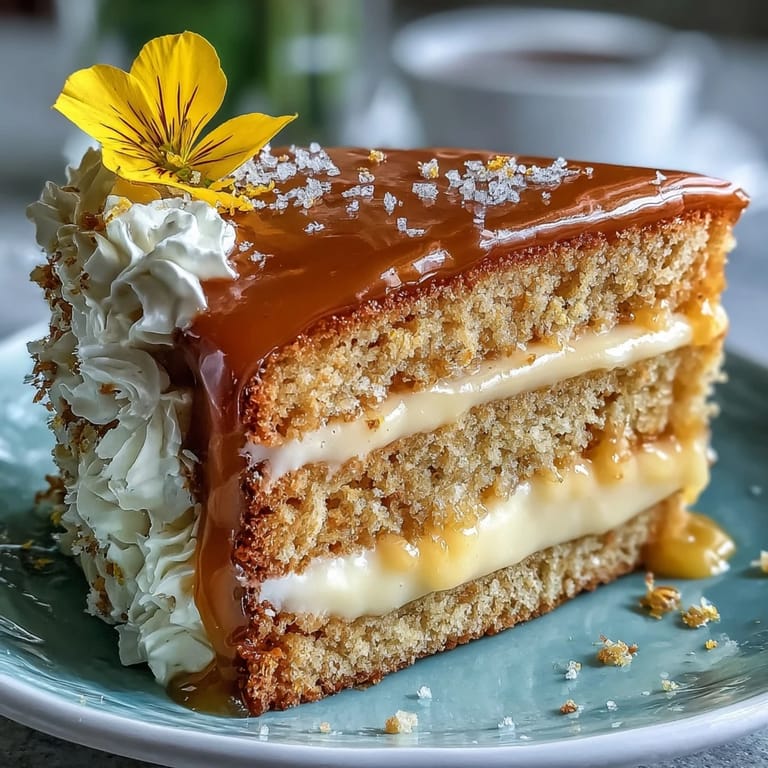
Save The quiet anticipation in the kitchen builds as zest and sugar mingle, their fresh fragrance promising something vibrant. Lemon curd layer cake wasn't in my usual repertoire until one spring, curiosity eclipsed my hesitance and I set out to create the most cheerful cake for Mother's Day. The first time I pressed petals atop the crowned frosting, even my oven-warmed, flour-dusted hands looked elegant by association. It became less about technical perfection, and more about a celebration—of zesty layers, bright curd, and tiny edible blooms that made everything feel special. There's a joy in letting each element show off, just a little.
Last year, I baked this cake while my mom and I listened to jazz, taking turns whipping and tasting curd right off the spoon. By the time the layers cooled, the kitchen windows were steamed with lemony warmth and laughter over who'd hidden more flowers along the cake's side. I still think of her delighted gasp at the first slice, where ribbons of lemon tucked into the sponge looked almost too peppy to eat. This cake seems to have a habit of making ordinary afternoons extraordinary without any warning. It’s become synonymous with togetherness in my home—and a little mischief if you count our edible flower debates.
Ingredients
- All-purpose flour: Choose unbleached for softer crumb and always spoon and level it—my first cake sank from too much packed flour.
- Baking powder & baking soda: Use fresh leavening for a light, airy sponge or risk dense layers; check that they're not past date.
- Salt: Just a hint sharpens every sweet note—don't skip it or curd can taste flat.
- Unsalted butter: Let it fully soften for easy creaming; cold butter once left my batter chunky and uneven.
- Granulated sugar: For clean sweetness and sturdy structure, beat it till pale with butter—be patient, the color shift is key.
- Eggs: Room temperature eggs blend smoothly and hold more air, leading to fluffier cakes.
- Lemon zest: Always zest before juicing; the oils add punch and bottled zest just doesn't compare.
- Fresh lemon juice: Squeeze it yourself for maximum zing—pre-bottled juice left my curd underwhelming in the past.
- Vanilla extract: A splash rounds out tartness and keeps the citrus from going sharp.
- Whole milk: Room temp milk keeps the batter from seizing and ensures even baking.
- Powdered sugar: For the frosting’s gentle sweetness—sift if lumpy to avoid pesky sugar pockets.
- Heavy cream: Needs to be cold; once I used cream that warmed up and my peaks were more puddles.
- Edible flowers: Use only food-safe flowers—pluck them right before serving for freshest color and taste.
Tired of Takeout? 🥡
Get 10 meals you can make faster than delivery arrives. Seriously.
One email. No spam. Unsubscribe anytime.
Instructions
- Set up and prep:
- Butter your pans and let parchment hug every curve to guarantee easy-release later. Oven preheated, every ingredient at room temp, and a playlist you love makes assembly a pleasure.
- Mix the dry ingredients:
- Whisk flour, baking powder, baking soda, and salt together so there are no streaks and you avoid those surprise clumps in your batter.
- Cream butter and sugar:
- Let the mixer run until light and fluffy; it should look almost cloudlike and sound creamy when the beaters move through.
- Eggs and essence:
- Beat in eggs one by one, letting each fully blend, then add lemon zest, lemon juice, and vanilla for that signature aroma.
- Alternate dry and wet:
- Add flour mixture in thirds, alternating with milk, starting and ending with flour—gentle turns prevent overmixing and keep the crumb tender.
- Bake the layers:
- Divide batter evenly between pans; the texture should be silky as you smooth the tops. Bake until golden and just springy at the center.
- Lemon curd magic:
- Whisk eggs, sugar, zest, and juice in a saucepan and stir patiently—it thickens in a heartbeat, so keep watch for that glossy finish. Stir in butter for a velvety shine, then let it chill under wrap right on the surface to prevent a skin.
- Whip the cream:
- With a cold bowl and beaters, whip cream, powdered sugar, and vanilla until thick swoops form; don't overbeat or it'll turn grainy.
- Layer and frost:
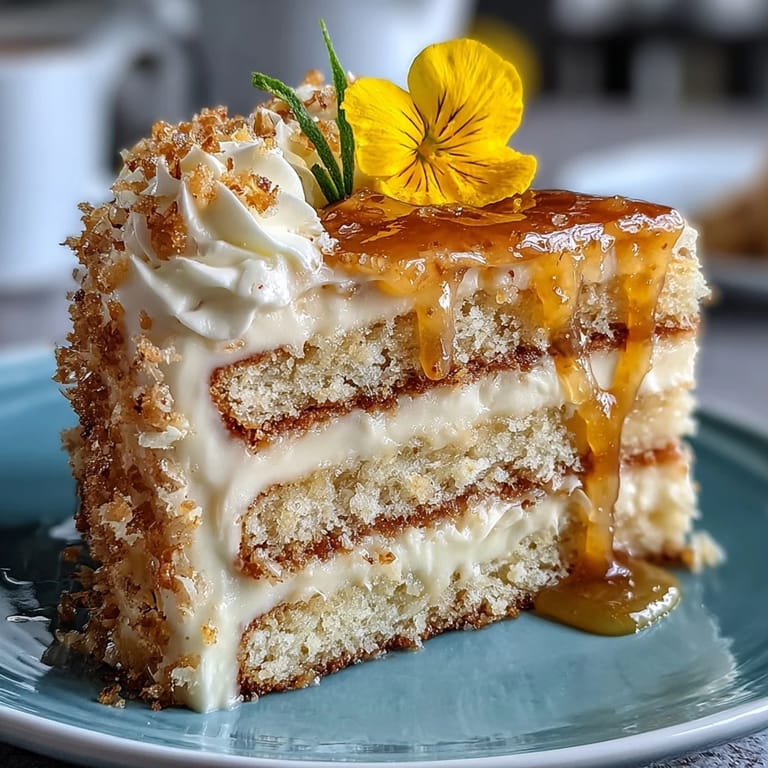
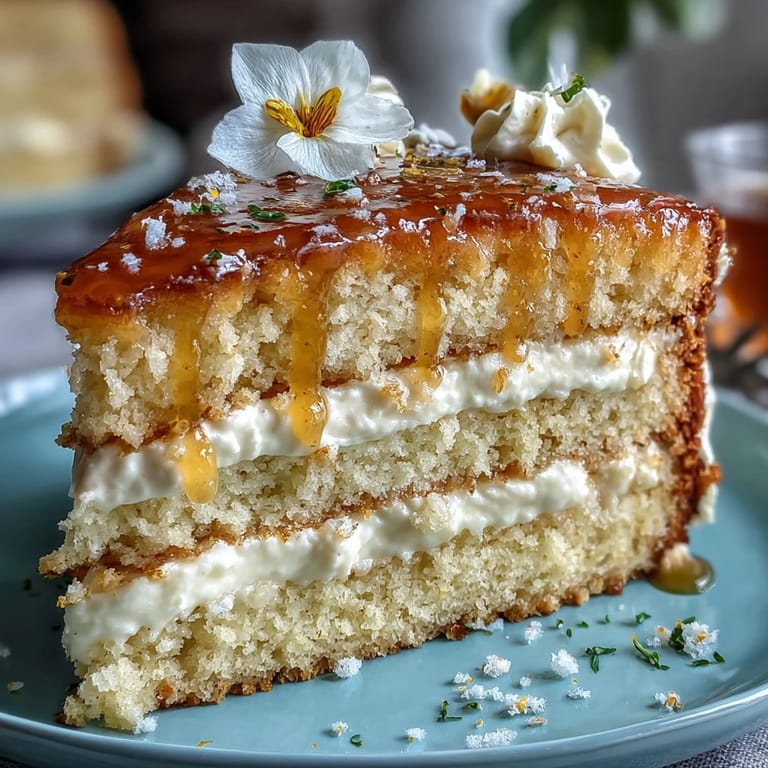
- Stack cakes with pillow-soft cream, lemon curd ribboned in between, and finish with a generous swirl of whipped frosting.
- Decorate:
- Arrange edible flowers just before serving—nestle them gently and savor every colorful flourish.
 Save
Save 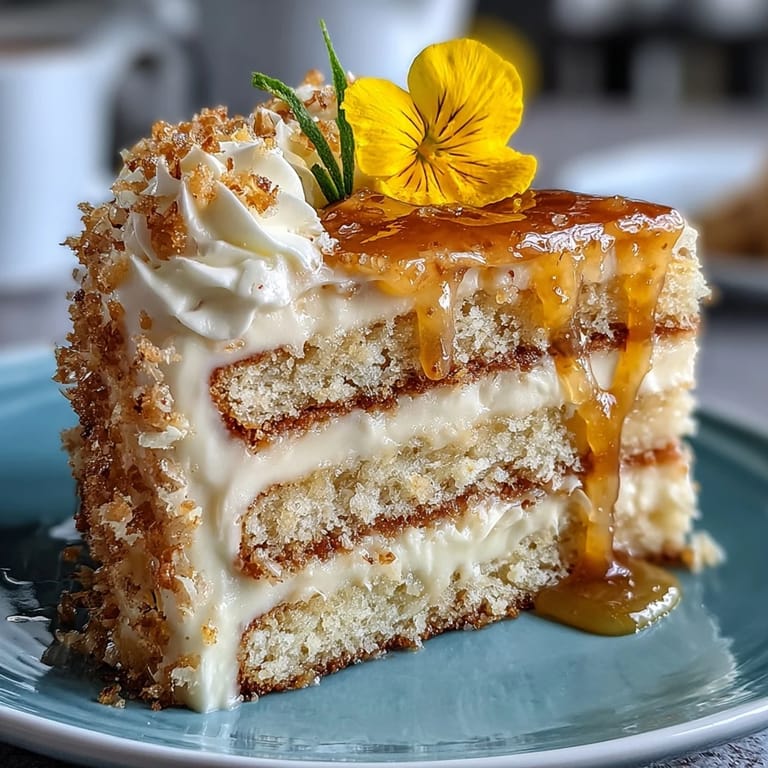 Save
Save The first time someone called the cake 'almost too pretty to eat,' I knew I’d made more than just dessert—I’d made a moment. Seeing everyone linger around the table, peering at each petal and guessing the tartness of each forkful, reminded me how food connects us beyond words.
Choosing and Handling Edible Flowers
Not every bloom belongs on a cake, so I’ve learned to source from trusted farmer’s markets or grow my own. Always wash gently and store flowers in the fridge on damp paper towels; wilted petals can dull an otherwise dazzling finish. If you’re picking your own, double-check the variety—some look beautiful but aren’t safe for eating, and double-checking saved my cake more than once. Pluck flowers the morning you’ll serve to keep colors bright and flavors subtle. A gentle press into the frosting secures delicate blossoms without bruising.
Making Lemon Curd Foolproof
Curd refuses to rush—if the heat is too high, you get scrambled eggs instead of silk. I’ve found that stirring low and slow, switching to a silicone spatula for the last minute, keeps things creamy and prevents sticky residue on the pan. If you spot lumps, strain the curd before chilling and you’ll wind up with the dreamiest texture. The chill time is where magic happens, setting it up for perfectly plush layers between cake. Any leftovers, by the way, are sublime spooned over morning toast.
Assembling for Maximum Wow
I used to panic about getting perfectly level layers until I realized a slight tilt just made each slice more inviting. Work on a turntable if you have one, and use an offset spatula for even spreading—a palette knife works, too, in a pinch. If the curd threatens to ooze, a border of whipped cream around the edge helps everything stay where it should. Refrigerating the whole cake for 30 minutes before serving helps set the frosting and gives a clean cut.
- Wipe your knife between each slice for bakery-worthy presentation.
- Use any leftover flowers to decorate plates individually.
- The cake tastes even brighter the next day, so don’t hesitate to make ahead.
 Save
Save 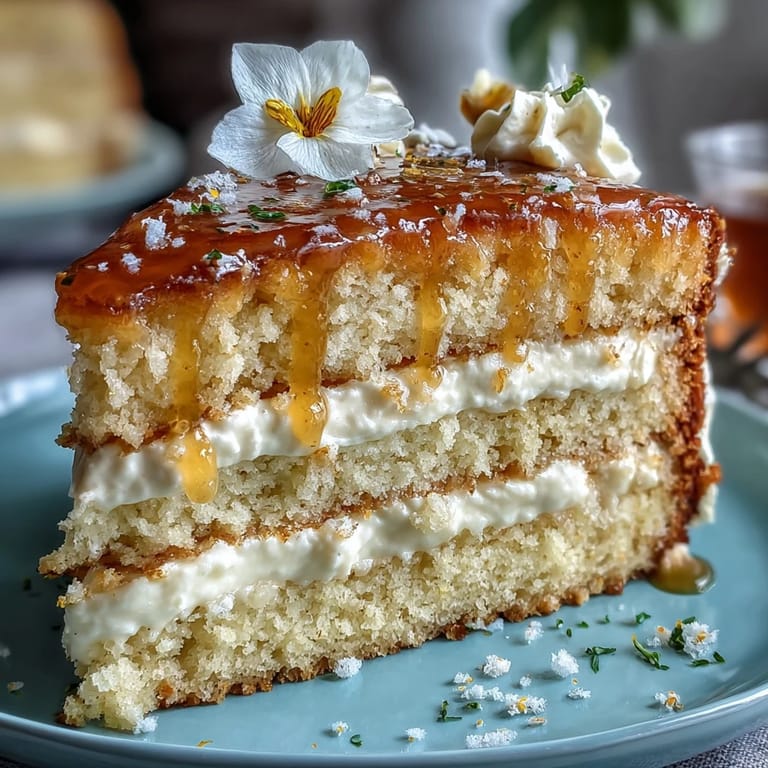 Save
Save Whether you bring it to the table for Mother’s Day or an impromptu celebration, this cake wraps the occasion in joy and bright flavor. I hope your kitchen feels as festive as mine when you tuck those flowers into their creamy bed.
Recipe FAQ
- → How do I prevent lemon curd from curdling?
Cook the curd gently over medium-low heat, whisking constantly. Remove from heat as soon as it thickens and coats the back of a spoon, then strain and cool to stop cooking. Chilling it under plastic wrap touching the surface prevents a skin.
- → How can I get stable whipped cream for frosting?
Chill the bowl and beaters, use very cold heavy cream, and beat to stiff peaks. Powdered sugar helps stabilize; for longer hold, fold in a little mascarpone or use a light gelatin stabilizer.
- → Can elements be made ahead?
Yes. The lemon curd can be made a day ahead and kept chilled. Bake cake layers the day before and wrap tightly. Assemble close to serving time for freshest texture and appearance.
- → Are all edible flowers safe to eat?
Use only food-grade, chemical-free flowers known to be edible, such as pansies, violas, nasturtiums, and rose petals. Verify the source and avoid flowers from florists treated with pesticides.
- → What's the best way to layer the cake?
Level each cooled layer if needed, place the first layer on a plate, spread a thin layer of whipped cream, then add a generous spoonful of chilled curd. Repeat, then apply a final coat of cream and smooth with an offset spatula.
- → How should I store leftovers?
Keep the assembled cake refrigerated, covered, and consume within 2–3 days. For best texture, bring slices to room temperature for 15–20 minutes before serving.