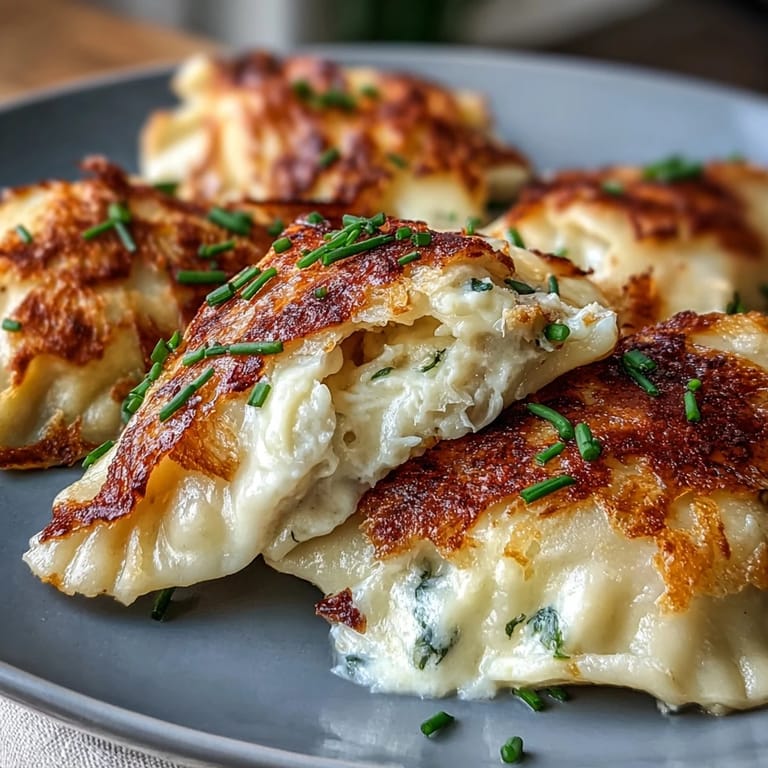
 Save
Save Steam curled from the stovetop as I worked through the dough, the kitchen filling with a cozy warmth that always seems to gather on pierogi day. Shaping each dumpling felt like taking part in a quiet ritual, my hands growing dusted with flour amid the comforting tap of the rolling pin. The scent of butter and sautéing onions mingling with potatoes became its own invitation. One bite of these pillowy, cheese-stuffed pierogi, and all talk in the kitchen paused for a sigh of satisfaction. There’s something grounding about making and sharing food this way, even if it leaves potato flecks in the oddest places.
There was the rainy afternoon I decided to try these for my friend’s birthday—neither of us had much patience, so the kitchen looked like a flour bomb had gone off, but the laughter stuck around just as long as the leftovers did. Getting the edges to seal became a contest; it turned out more fun than I’d expected. Watching someone’s face light up after their first bite always makes the effort worthwhile.
Ingredients
- All-purpose flour: Measure it by spoon and level—too much and your dough turns stubborn instead of supple.
- Sour cream: This gives the dough its signature tenderness; I learned to use full-fat for best flavor.
- Russet potatoes: Go for starchy ones; they mash up smooth and make a fluffy filling that holds together.
- Sharp cheddar cheese: The bolder the better, unless you prefer a milder taste—try swapping in Gouda or mozzarella.
- Farmer’s cheese or ricotta: Adds a delicate tang; make sure to drain the ricotta if it’s too wet.
- Onion: Take your time sautéing—it’s worth it for that sweet, golden flavor running through each bite.
- Egg: Room temperature helps it mix in more evenly, lending richness to the dough.
- Unsalted butter: Both in the dough and for frying—let it bubble until the aroma nudges you closer to the pan.
- Whole milk: Creaminess matters here; gently warm before mashing into potatoes for the fluffiest texture.
- Salt and pepper: Never skimp; taste the filling before assembling, as seasoning is forgiving but crucial.
- Sour cream and chives, to serve: Cold, tangy dollops and fresh chives cut the richness just so—don’t pass them up.
Tired of Takeout? 🥡
Get 10 meals you can make faster than delivery arrives. Seriously.
One email. No spam. Unsubscribe anytime.
Instructions
- Mix and rest the dough:
- Combine flour and salt in a big bowl, then add egg, sour cream, and melted butter. Stir until a shaggy dough forms, then knead it on a floured surface for about five minutes until it’s soft yet springy—cover and set aside to relax for half an hour.
- Mash the potatoes:
- Boil peeled potato cubes in salted water until just fork-tender, then drain well and mash with warmed milk until smooth and creamy.
- Sauté onion and add cheeses:
- Cook chopped onion in melted butter over gentle heat until golden and sweet-smelling. Mix the onions into the mashed potatoes, then stir in the cheddar, farmer’s cheese, salt, and pepper—let it cool before filling pierogi.
- Roll and stamp out circles:
- Roll rested dough on a floured surface to a thin 1/8-inch sheet, then cut out as many 3-inch circles as possible (a drinking glass works perfectly).
- Fill and seal:
- Put a heaping tablespoon of filling in the center of each dough circle. Fold over, pressing edges tight (I like using a fork for a decorative seal) so nothing leaks during cooking.
- Boil the pierogi:
- Drop pierogi into gently boiling salted water in batches—they’ll rise to the surface after about 3–4 minutes, signaling they’re ready for rescue with a slotted spoon.
- Optional: Fry with onions:
- In a skillet, melt butter until foaming, add sliced onion, and cook until deeply golden. Fry the pierogi until crisp and golden on both sides for that irresistible finish.
- Serve hot:
- Pile on fried onions, a generous scoop of sour cream, and chives. Invite friends to dig in while everything’s piping hot.
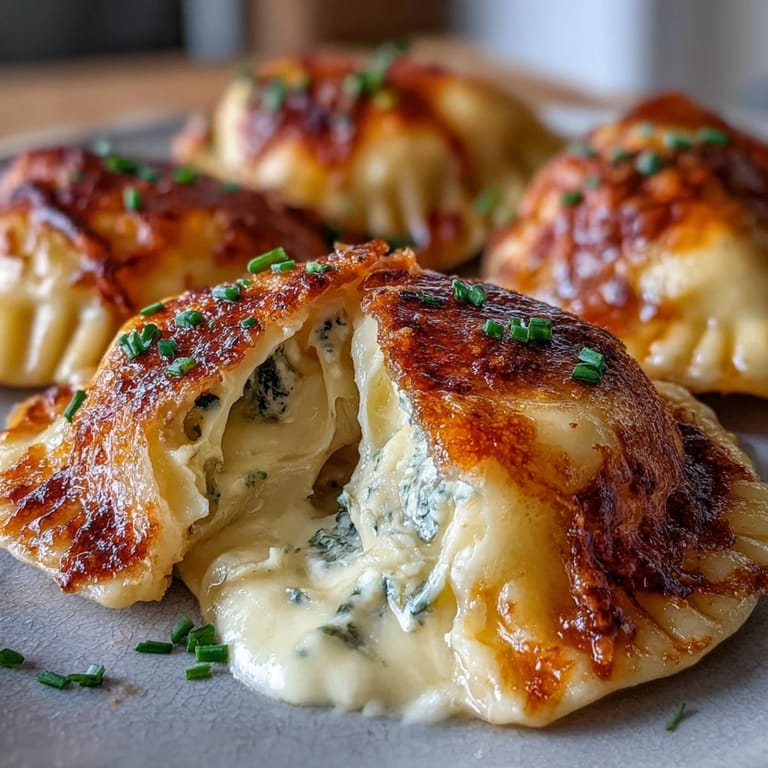 Save
Save When I made these for a potluck, someone who’d never tried pierogi before asked for the recipe before dessert even hit the table. That’s when I realized these dumplings aren’t just nostalgia—they’re an invitation to linger and share stories.
Gathering the Right Gear
Having a slotted spoon and big mixing bowl makes things much easier, but even a sturdy glass can substitute for a fancy dough cutter. If you’re short on gadgets, improvise—half the joy is figuring it out as you go. My rolling pin once went missing, and I used a wine bottle without anyone noticing the difference.
Pierogi Freezing and Make-Ahead Magic
If you’re looking to get ahead, line a tray with parchment and freeze your uncooked pierogi in a single layer before bagging them up—no sticky surprises later. They boil beautifully straight from the freezer, needing just an extra minute or two. Having a stash on hand can turn any evening into something special with zero fuss.
Small Troubles, Big Triumphs
Every batch teaches you something—whether it’s how much flour your kitchen really scatters or the way caramelized onions fill every corner of your house. The secret: just get in there and do it, even if your first pierogi look a little wonky, the flavor will always reward you.
- Be generous with flour on your work surface to prevent sticking.
- If the dough tears, patch it with a scrap—no one will notice after boiling.
- Don’t crowd the pan when frying, or they won’t crisp up properly.
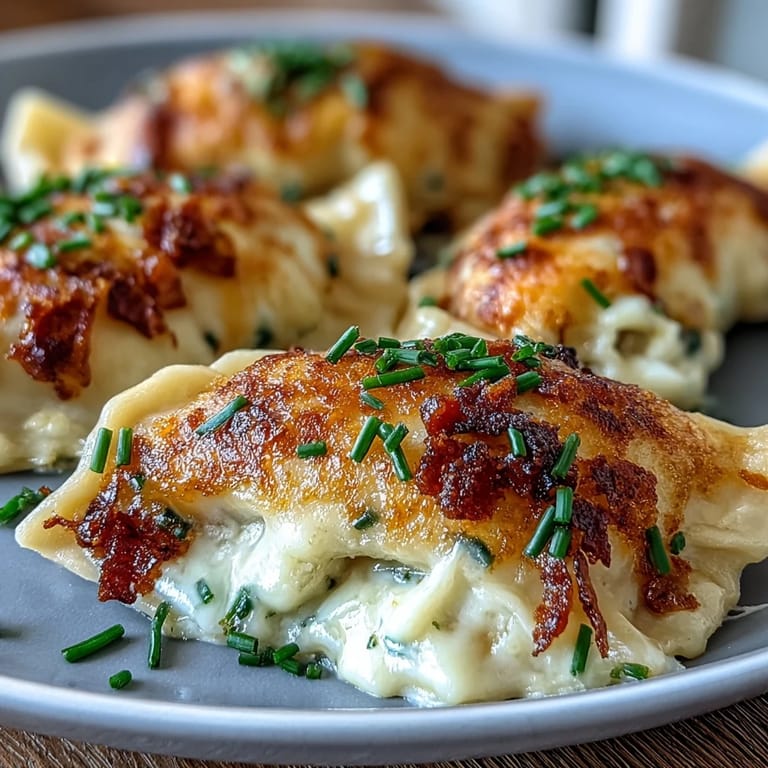 Save
Save May your pierogi come out golden, hearty, and just imperfect enough to show they’re made by hand. The best stories, like the best dumplings, are always a little bit messy.
Recipe FAQ
- → How do you achieve tender dough?
Mix flour, egg, sour cream, and butter, then knead until smooth and let rest before rolling out.
- → What cheese works best in the filling?
Sharp cheddar and farmer’s cheese create a creamy, flavorful filling, but Gouda or mozzarella also work well.
- → Can pierogi be frozen for later use?
Yes, freeze uncooked dumplings in a single layer, then transfer to a bag. Cook from frozen when ready.
- → How should pierogi be served?
Serve hot, tossed with caramelized onions, a dollop of sour cream, and a sprinkle of fresh chives if desired.
- → What is the best way to cook the assembled dumplings?
Boil gently until they float, then fry in butter with onions for extra flavor and a golden crust.
- → Can fresh herbs be added to the filling?
Yes, adding chopped fresh herbs imparts extra freshness and complexity to the filling.