 Save
Save If there’s a single scent that always tells me spring is truly here, it’s the aroma of fresh basil being torn over a pile of crisp green veggies. Last year, on a sunny April afternoon, I found myself tossing together whatever vegetables were crowding my fridge and discovered this delightful orzo primavera. The kitchen windows were open and the sound of neighbors mowing their lawns seemed to keep time with the rapid bubble of orzo water. Littles details—like lemon zest clinging to my fingers and parmesan snow drifting onto the stove—scattered the process with joy. This dish arrived almost accidentally, but now it marks the start of the season for me every year.
I made this for the first time with friends who showed up ravenous and sunburnt after an afternoon picnic-turned-hike. As we crowded around the stove, there was laughter over who snapped the asparagus best and a minor debate about how much parmesan was 'enough.' That evening, dead-tired and happy, we passed the steaming bowl straight from skillet to plate, each of us going back for seconds. Even now, those evenings remind me to make double the recipe—because this orzo disappears fast.
Ingredients
- Orzo pasta: This tiny, rice-shaped pasta cooks quickly and soaks up every flavor—don’t skip salting the water generously for best taste.
- Olive oil: A little drizzle keeps vegetables glossy and melding together without greasiness; good olive oil makes a difference.
- Asparagus: Trim the woody ends and slice on the diagonal for springy texture and visual appeal.
- Sugar snap peas: Their satisfying crunch stands out, especially if you don’t overcook them—just a couple minutes does it.
- Zucchini: Dice it evenly so it cooks at the same rate as the other veggies, helping everything feel harmonious.
- Cherry tomatoes: I halve these to release a little juice into the sauce for natural sweetness.
- Frozen peas: A handful just before the end means they stay bright—don’t bother thawing if you’re in a rush.
- Shallot: Its mild bite adds depth without overpowering, but a small onion works in a pinch.
- Garlic: Just two cloves is enough for aroma; add more if you’re feeling bold.
- Parmesan cheese: Freshly grated melts best—buy wedges if possible, and save some for a final dusting.
- Fresh basil: Slice it just before serving to preserve its perfume; bruised basil can darken quickly.
- Unsalted butter: Adds a touch of silkiness—plant-based butter swaps in well here for vegan friends.
- Salt and pepper: Taste as you go; the parmesan can add saltiness already.
- Lemon zest & juice: Zest first, then juice—doing it in reverse after cutting can be tricky (lesson learned!).
Tired of Takeout? 🥡
Get 10 meals you can make faster than delivery arrives. Seriously.
One email. No spam. Unsubscribe anytime.
Instructions
- Cook the orzo:
- Fill a large pot with salted water and bring to a boil. Add orzo and stir, cooking just until al dente; reserve half a cup of the pasta water, then drain and set aside.
- Sauté aromatics:
- In a roomy skillet, warm olive oil over medium heat. Let shallot and garlic sizzle for a minute or two, stirring so nothing burns and the kitchen blooms with fragrance.
- Add spring vegetables:
- Tumble in the asparagus, snap peas, and zucchini. Sauté until colors brighten up and edges barely soften—don’t lose that crunch.
- Bring in tomatoes and peas:
- Add cherry tomatoes and peas, letting them just soften and release their juices, stirring gently to coat with oil and aromatics.
- Combine orzo with veggies:
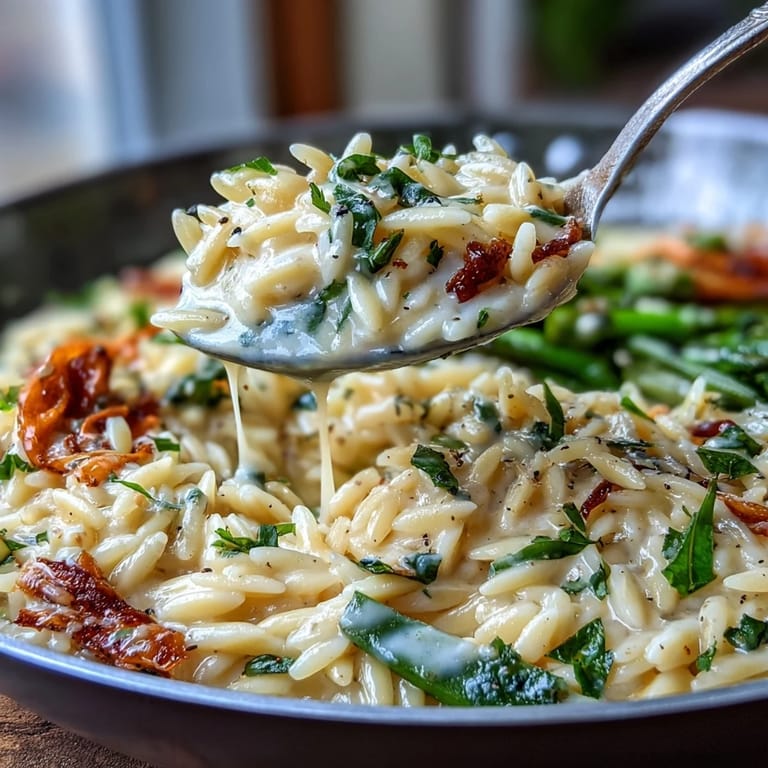
- Scoop the orzo into the skillet, tossing gently to combine. Everything should glisten and mix together without clumping.
- Finish with creamy touches:
- Stir in the butter, parmesan, lemon zest, and a squeeze of lemon juice. Splash in the reserved pasta water a bit at a time to get everything silky but not soupy.
- Season and add basil:
- Scatter in salt and plenty of cracked black pepper. Off the heat, fold in fresh basil so its flavor stays bright.
- Serve and garnish:
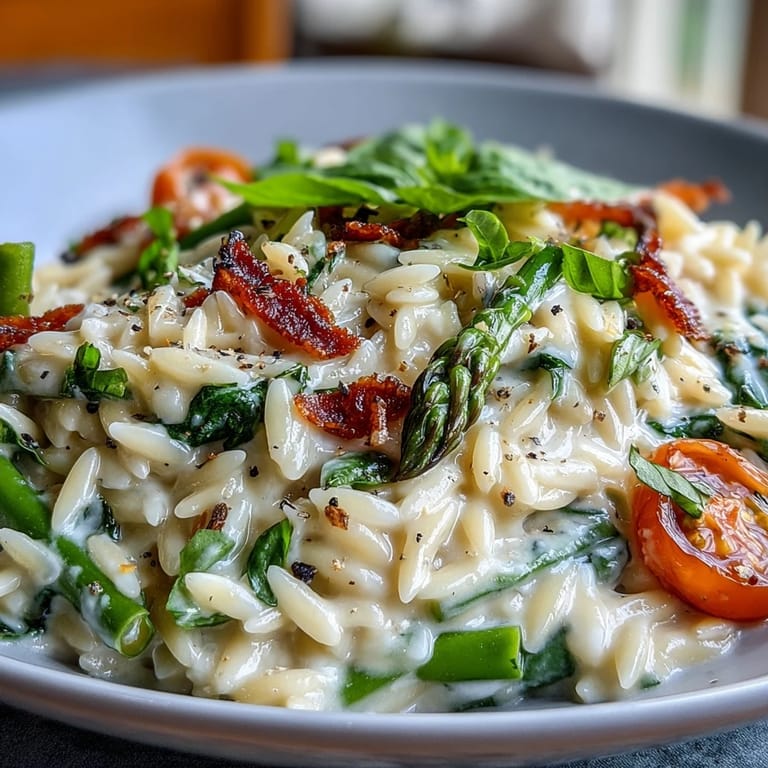
- Transfer to plates or a big bowl, topping with extra parmesan and basil if you feel festive. Best eaten immediately while the cheese is still melting.
 Save
Save 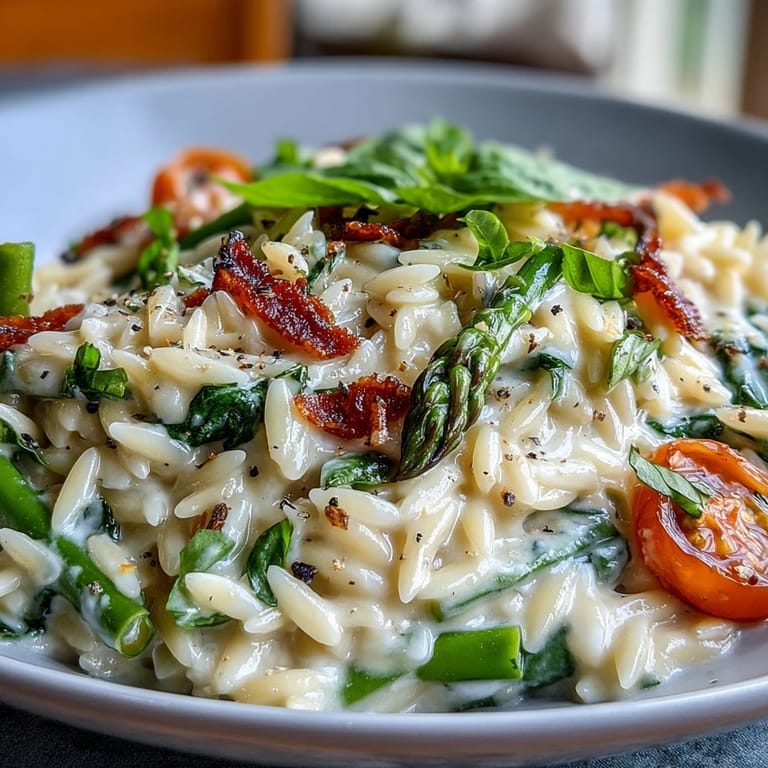 Save
Save Some meals just catch you off guard: I remember when my cousin, usually a pasta skeptic, declared this the 'ideal dinner' as she scraped her bowl clean. It’s the kind of praise that sticks, and adds new feeling each time I stir this together for family, knowing it’s more than just a quick weeknight fix.
Switch It Up with Seasonal Veggies
This dish welcomes whatever green things you can get your hands on. In early summer, try tossing in baby spinach or ribboned kale for extra nutrients, or handfuls of sweet corn when July hits. Don’t hesitate to experiment—sometimes those fridge-foraged swaps become the best version yet.
Getting the Most Flavor from Your Cheese
I used to sprinkle bagged parmesan, but once I started grating from a wedge, there was no going back. The nutty depth and how well it melts make the texture extra dreamy. If you’re vegan or lactose-intolerant, the vegan counterparts do a pretty impressive job in this recipe.
On Timing, Texture, and That Final Touch
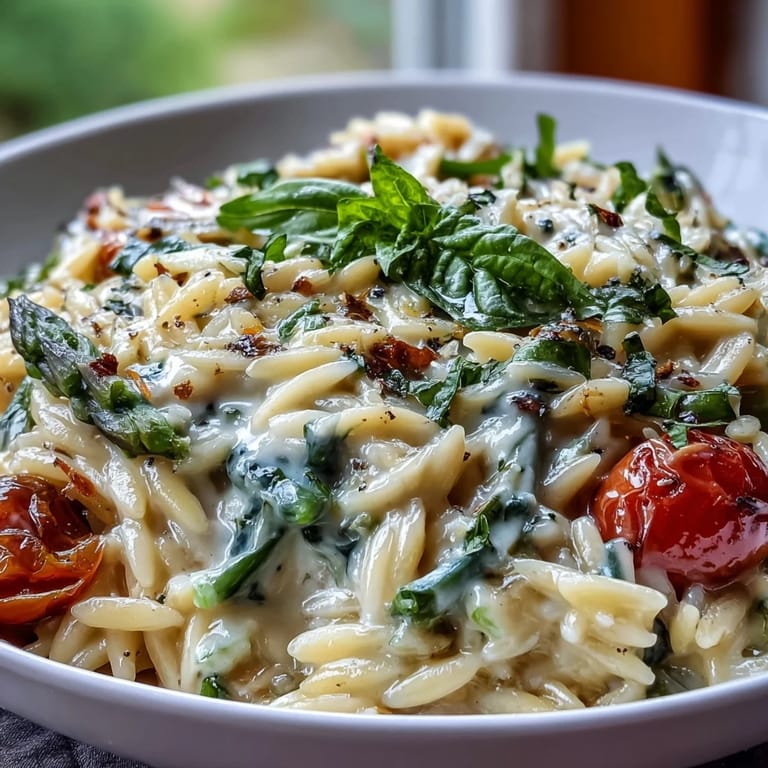
Cooking everything just until barely done is the tricky part—the zucchini should still have a gentle bite, and the snap peas should actually snap. Build the sauce gradually, adding splashes of pasta water instead of dumping it all in, for just the right consistency. Don’t be shy with the basil at the end, and always taste before that final garnish.
- If serving later, save a little extra pasta water to revive leftovers.
- Lemon zest goes a long way—taste after the first half and add more if you like it bright.
- Clean as you go; with this many veggies, it helps to keep the counter clear.
 Save
Save  Save
Save May every soft forkful bring a bit of spring into your day and serve as an excuse to gather for a lively, colorful meal—even if it’s just a Tuesday night.
Recipe FAQ
- → How do I keep orzo from sticking together?
Cook orzo in plenty of well-salted boiling water and stir occasionally. Drain once al dente and toss immediately with a little olive oil or a knob of butter; reserving some pasta water helps loosen it when combining with the vegetables.
- → What’s the best way to get a creamy finish?
Stir in grated parmesan and butter, then add reserved pasta water gradually while tossing until silky. The starch in the pasta water emulsifies with the cheese and butter for a smooth coating.
- → How can I make this dairy-free?
Use plant-based butter or extra olive oil and replace parmesan with vegan parmesan or a sprinkle of nutritional yeast. Adjust seasoning and acidity with lemon to boost flavor.
- → Which vegetables can I substitute?
Swap asparagus and snap peas for baby spinach, artichoke hearts, roasted bell peppers or broccolini. Add firmer vegetables first and delicate greens or tomatoes near the end to preserve texture and color.
- → How long does it keep and how should I reheat it?
Store in an airtight container in the refrigerator for up to 3 days. Reheat gently in a skillet with a splash of water or olive oil, adding a little extra cheese or lemon juice to refresh the flavors.
- → Can I add protein without changing the timing?
Add pre-cooked grilled chicken or shrimp just before serving to keep cook time unchanged. If using raw protein, sauté or grill separately and fold in once fully cooked to preserve the vegetable texture.