 Save
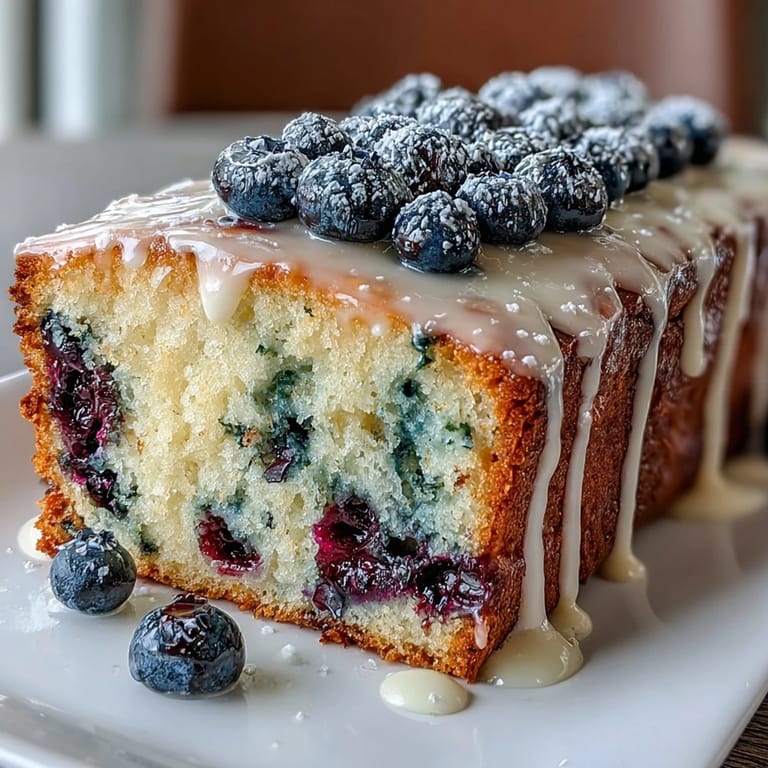
Save My sister called me in a panic three days before her baby shower, asking if I could bring something that felt celebratory but not fussy. I'd been craving lemon cake all week, so I suggested a blueberry lemon loaf—something elegant enough for pastel napkins and tiny forks, yet simple enough to pull together without losing my mind. The first loaf came out so perfectly golden and moist that I made two more, and somehow they all disappeared before dessert was even served.
I still think about my friend Sarah's face when she took that first bite at the shower—she closed her eyes like she'd tasted something illegal. That's when I realized this loaf wasn't just about the flavors; it was about creating a moment where people slowed down and actually tasted what they were eating. Three guests asked for the recipe that afternoon, and I've made it dozens of times since.
Ingredients
- All-purpose flour (1 ½ cups): The foundation that keeps the crumb tender and delicate, not dense or rubbery like some lemon cakes can turn out.
- Baking powder and baking soda (1 tsp and ½ tsp): This pairing creates lift without bitterness; the soda also reacts with the lemon juice to deepen the rise and flavor.
- Salt (¼ tsp): A tiny pinch that makes every other flavor pop, especially the lemon.
- Unsalted butter (½ cup, softened): Room temperature is non-negotiable here—cold butter won't cream properly and you'll end up with a dense crumb.
- Granulated sugar (1 cup): Creamed with butter until genuinely fluffy, which takes about 2-3 minutes and looks like pale sand.
- Eggs (2 large, room temperature): Temperature matters because cold eggs break the emulsion you've built; let them sit out while you prep everything else.
- Lemon zest (2 tsp) and lemon juice (⅓ cup): Fresh is everything—bottled juice tastes hollow and bitter by comparison, and zest brings that floral, almost perfumy brightness.
- Sour cream or yogurt (½ cup): This adds moisture and tang without making the loaf taste sour; Greek yogurt makes it even sharper if you like that punch.
- Vanilla extract (1 tsp): A small amount that rounds out the lemon without announcing itself.
- Fresh blueberries (1 cup): The secret is tossing them in a tablespoon of flour before folding in—it suspends them throughout instead of sinking to the bottom where they bleed.
- Powdered sugar (1 cup) and fresh lemon juice (2-3 tbsp) for the glaze: Simple, silky, and tangy; the glaze should be pourable but thick enough to coat the back of a spoon.
Tired of Takeout? 🥡
Get 10 meals you can make faster than delivery arrives. Seriously.
One email. No spam. Unsubscribe anytime.
Instructions
- Set the stage:
- Preheat your oven to 350°F and grease a 9x5-inch loaf pan, then line it with parchment paper so the loaf releases without sticking. This step feels small but saves so much frustration later.
- Build the dry base:
- Whisk together flour, baking powder, baking soda, and salt in a medium bowl until everything is evenly distributed. I like to use a fork to break up any lumps in the flour, making sure there are no hidden pockets.
- Cream butter and sugar:
- In a large bowl, beat softened butter and sugar together for 2-3 minutes until the mixture looks light, pale, and almost fluffy—this is where the cake gets its tender crumb. If you rush this step, you'll taste the difference.
- Bring in the eggs and flavor:
- Add eggs one at a time, beating well after each one so they fully incorporate. Then add lemon zest, lemon juice, sour cream, and vanilla, mixing until the batter looks smooth and luxurious.
- Marry wet and dry gently:
- Add the dry ingredients to the wet mixture gradually, stirring just until combined—overmixing develops gluten and makes the loaf tough and bouncy instead of tender. Stop as soon as you don't see streaks of flour.
- Protect the blueberries:
- Toss the blueberries in a tablespoon of flour, then fold them in gently using a spatula, being careful not to crush them or stir too vigorously. The flour coating prevents them from sinking.
- Pour and bake:
- Spread the batter into the prepared pan, smooth the top gently, and slide it into the oven for 50-55 minutes. If the top starts browning too quickly around the 40-minute mark, loosely tent it with foil to protect it while the inside finishes baking.
- Cool with patience:
- Let the loaf rest in the pan for 10 minutes—this gives it time to set without being too fragile—then turn it out onto a wire rack to cool completely. Glazing a warm loaf will melt it into the crumb; you want it fully cooled so the glaze sits beautifully on top.
- Make the glaze:
- Whisk powdered sugar with 2 tablespoons of fresh lemon juice until silky and smooth, then add more juice if you want it thinner and more pourable. Taste it to make sure the lemon flavor sings.
- Finish and serve:
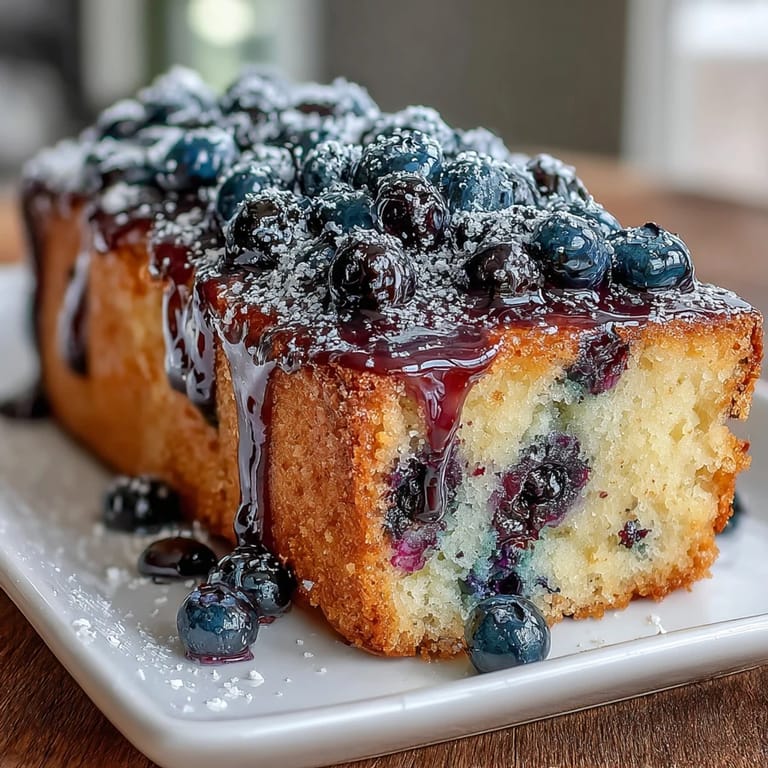
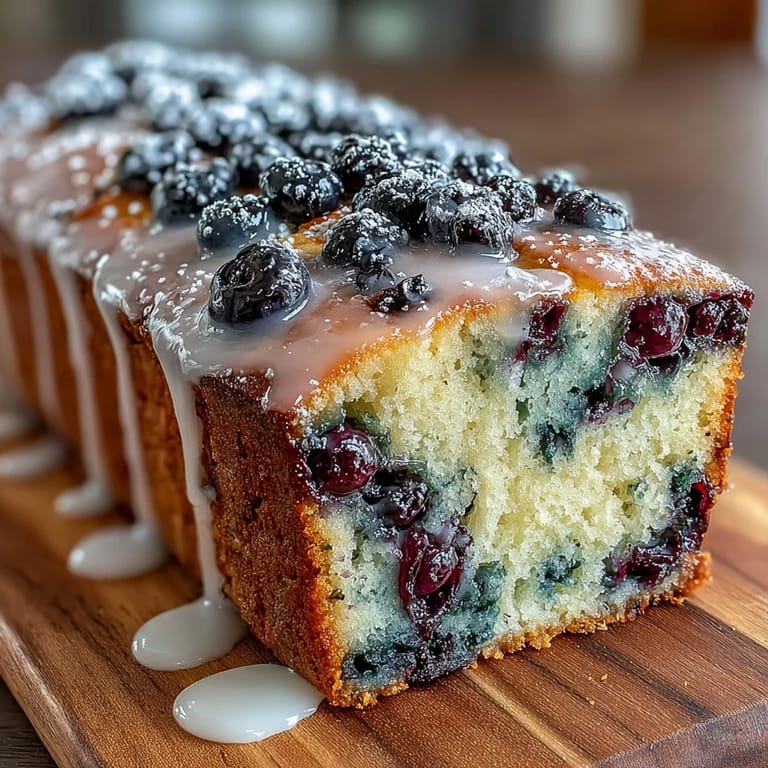
- Once the loaf is completely cool, drizzle the glaze generously over the top and let it pool and drip down the sides, then sprinkle with lemon zest if you want extra visual appeal. Slice with a serrated knife dipped in warm water for clean, beautiful pieces.
 Save
Save I brought this loaf to a book club once, just as a quiet addition to the snack table, and somehow it became the star—people were asking for seconds before we even opened the book. It reminded me that the simplest things, made with care and real ingredients, often matter more than anything complicated.
Why Fresh Lemon Matters More Than You Think
There's a moment when you zest a fresh lemon and smell that sharp, almost floral citrus oil spray across your hands—that's the moment you realize why this loaf tastes so alive. Bottled lemon juice is convenient, but it's been sitting and oxidizing, and it tastes flat and slightly bitter in baked goods. Fresh lemon juice and zest are the difference between a loaf that tastes like the best version of itself and one that tastes like it's hiding something.
The Blueberry Trick That Changes Everything
I learned the flour-coating trick by accident when I was in a rush and grabbed a tablespoon of flour to keep blueberries from clumping together in a bag. That first time, instead of sinking to the bottom in a sad purple layer, they stayed distributed throughout the loaf, giving you a burst of blueberry in nearly every slice. Now I do it every time, and it's become one of those small kitchen wins that make you feel like you know what you're doing.
Storage and Serving Secrets
This loaf keeps beautifully wrapped in plastic wrap or foil at room temperature for three days, which makes it perfect for preparing ahead of a gathering. You can also freeze it for up to a month—just let it thaw at room temperature before serving, and the crumb will be exactly as moist and tender as the day you baked it.
- Pair each slice with Earl Grey tea or sparkling wine for a moment that feels more special than it has any right to be.
- Serve it slightly warm with a dollop of whipped cream or crème fraîche if you're feeling generous.
- A serrated knife dipped in warm water gives you clean, beautiful slices that look like they came from a bakery.
 Save
Save This loaf has become my quiet ace card for moments when I want to show up with something that feels thoughtful without demanding attention. It's the kind of recipe that makes people slow down and actually taste what's in front of them.
Recipe FAQ
- → What type of blueberries work best?
Fresh blueberries are ideal, but frozen can be used if kept frozen until just before folding into the batter to prevent color bleeding.
- → Can I substitute sour cream in this loaf?
Yes, Greek yogurt works well as a substitute, providing a tangier flavor without affecting the texture much.
- → How do I prevent the loaf from browning too quickly?
If the loaf starts to brown too fast, loosely cover it with foil during the last 15 minutes of baking.
- → What is the role of lemon zest in the loaf?
Lemon zest adds fresh citrus oils that enhance the lemon flavor and aroma throughout the loaf.
- → Can I add lemon extract for more flavor?
Adding about ¼ teaspoon of lemon extract to the batter can boost the lemon aroma, but use sparingly to avoid overpowering.
- → Is this loaf suitable for vegetarians?
Yes, the loaf contains no meat or gelatin, making it suitable for vegetarian diets.