 Save
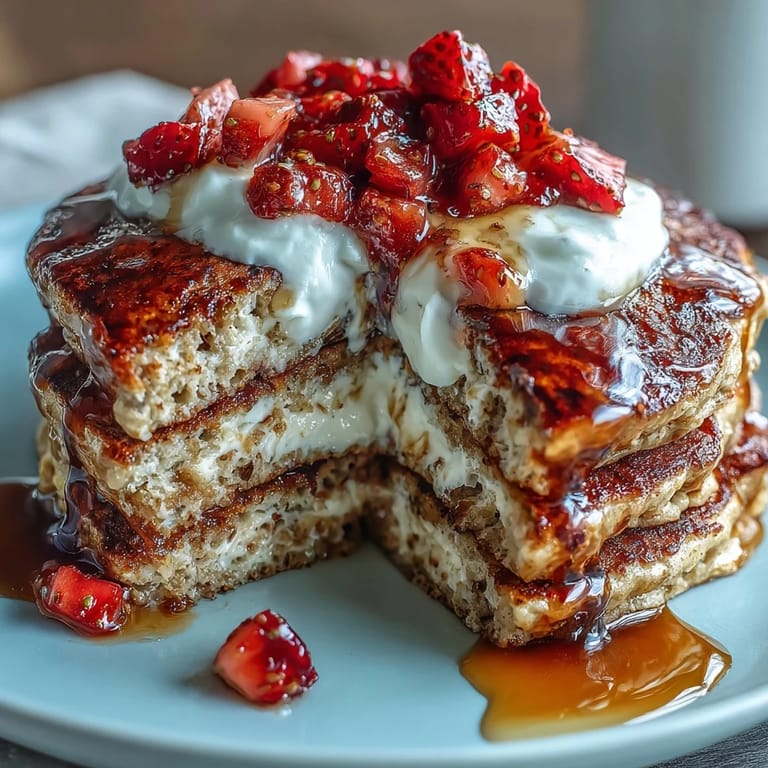
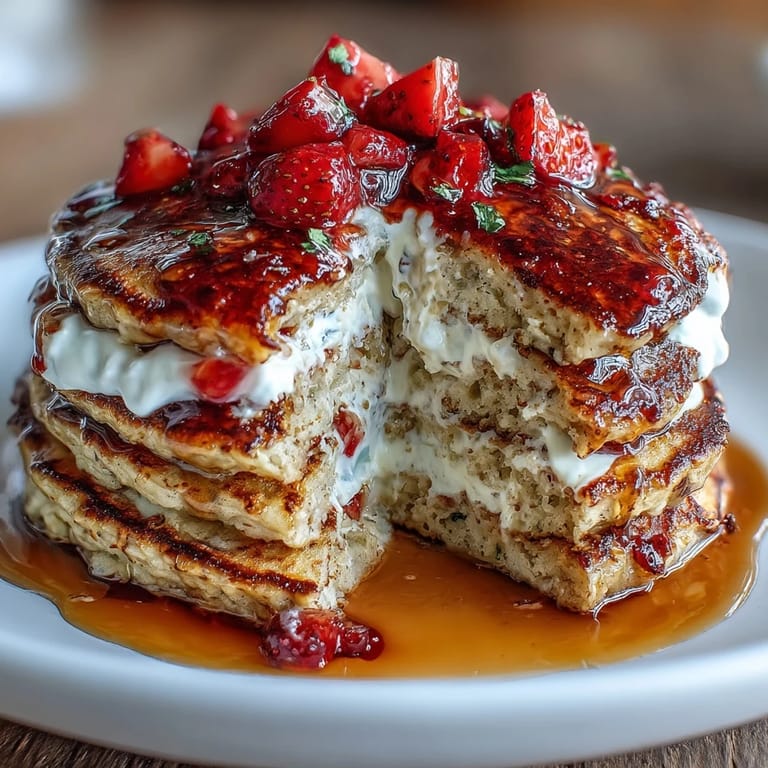
Save One morning, I stood in my kitchen staring at a container of cottage cheese that was about to expire, wondering how to salvage it into something worth eating. That's when it hit me—blend it into pancake batter. The first batch came out impossibly fluffy, studded with bright strawberries, and tasted nothing like health food despite packing nearly 16 grams of protein per pancake. My roommate actually asked for seconds, which had never happened before. These pancakes became my secret weapon for days when I needed breakfast to feel both indulgent and genuinely good for me.
I made these for a friend who'd just started going to the gym, and she was skeptical until the first bite. She kept asking what was different, couldn't quite place the creaminess, and then looked shocked when I told her the secret ingredient. That afternoon, she texted asking me to send the recipe because she wanted to meal prep them for the week. It's funny how a pancake can become proof that healthy eating doesn't have to feel like punishment.
Ingredients
- Low-fat cottage cheese (1 cup): This is the foundation—it adds moisture, protein, and creates a custardy crumb that feels indulgent without requiring cream or extra eggs.
- Eggs (2 large): They bind everything together and contribute additional protein, but don't overbeat them or your pancakes will be tough.
- Milk (1/3 cup): Dairy or plant-based both work, though I've noticed unsweetened almond milk makes them slightly airier than whole milk.
- Vanilla extract (1 tsp): A small amount that rounds out the flavor and keeps the focus on strawberries rather than sweetness.
- Oat flour (1/2 cup): Blend rolled oats yourself if you can't find it—store-bought sometimes compacts, making pancakes dense, while freshly ground oats stay light.
- Vanilla protein powder (1 scoop): Choose a quality powder without artificial sweeteners if possible, as they can leave a bitter aftertaste on the griddle.
- Baking powder (1/2 tsp): This lifts the batter just enough to create those tender bubbles everyone loves.
- Salt (1/4 tsp): Never skip it—salt amplifies the vanilla and strawberry flavors in ways you won't immediately notice but will definitely feel.
- Fresh strawberries (1 cup, diced): Use ripe ones that smell sweet, not the pale firm ones, because they'll actually taste like something.
- Neutral oil or butter (1 tbsp): Butter adds flavor but brown spots faster, so oil gives you slightly more control over the cooking process.
Tired of Takeout? 🥡
Get 10 meals you can make faster than delivery arrives. Seriously.
One email. No spam. Unsubscribe anytime.
Instructions
- Blend the wet base:
- In a medium bowl, whisk cottage cheese, eggs, milk, and vanilla until the texture is smooth and no lumps remain. This step matters more than it seems—rough cottage cheese bits won't cook evenly and will create an odd texture.
- Combine the dry ingredients:
- In another bowl, mix oat flour, protein powder, baking powder, and salt. Keep these separate so you can control how much you mix them into the wet ingredients.
- Fold everything together gently:
- Add the dry mixture to the wet mixture and stir just until combined—this is where overmixing kills the fluffiness. Gently fold in half the strawberries so they stay somewhat whole rather than completely breaking down.
- Heat the griddle evenly:
- Place a nonstick skillet or griddle over medium heat and let it warm for about a minute. A too-hot surface will brown them before the inside cooks through, while too-cool means they'll absorb oil and taste greasy.
- Pour and watch for bubbles:
- Use a 1/4 cup measure to pour batter onto the griddle, spacing them so they have room to expand. After about 2–3 minutes, you'll see bubbles forming on the surface—that's your signal to flip.
- Flip with confidence:
- Flip once the edges look set and the bubbles have popped, then cook another 1–2 minutes until the bottom is golden brown. Two flips total is the magic number; flipping more than once deflates them.
- Finish the batch and serve warm:
- Continue with remaining batter, wiping the griddle and adding a touch more oil between batches. Serve immediately topped with remaining fresh strawberries, and if you want something extra, a drizzle of honey or Greek yogurt works beautifully.
 Save
Save There's something unexpectedly emotional about eating pancakes that actually fuel your body instead of just filling it. A colleague once told me she'd been skipping breakfast for months because traditional options left her feeling sluggish, but these changed her whole morning routine. She started her day with energy instead of crashing by 10 a.m., and suddenly breakfast wasn't just a meal—it became part of taking care of herself.
Why Cottage Cheese Works in Pancakes
Cottage cheese sounds like an odd choice until you realize it's mostly protein and moisture, which is exactly what pancakes need. The curds break down into tiny pockets when blended, creating an almost cloud-like crumb structure that no amount of buttermilk can replicate. The flavor is neutral enough that it disappears completely, letting strawberries and vanilla shine instead of fighting for attention. I've tried other protein additions—yogurt makes them too acidic, ricotta makes them heavy—but cottage cheese hits the sweet spot every time.
Strawberry Timing and Variations
Folding half the strawberries into the batter and reserving half for topping is a small choice with big results. The cooked-in berries release just enough juice to flavor the pancake without making it soggy, while fresh berries on top add a burst of tartness that cuts through the richness. If strawberries aren't available, raspberries work equally well and actually maintain their shape better when folded in. Blueberries are my backup plan when I'm in a hurry, since they don't need dicing and their compact size means they distribute more evenly throughout the batter.
Make-Ahead and Storage Tips
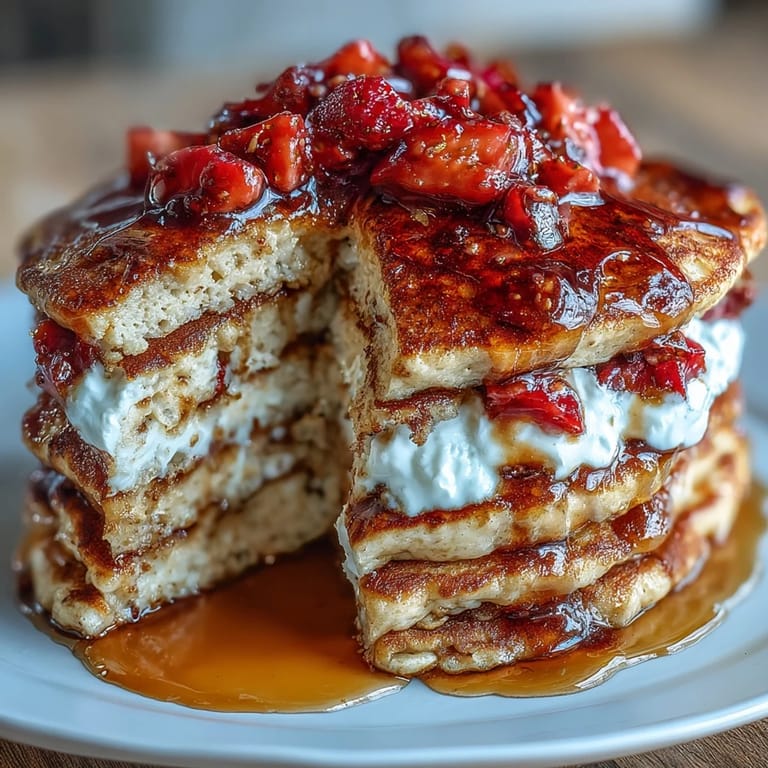
I've learned to batch-cook these on Sunday mornings because they actually reheat beautifully in a toaster oven, unlike some pancakes that turn rubbery. They keep in an airtight container for three days refrigerated, or you can freeze them between parchment paper for up to a month. The night-before trick is mixing your dry ingredients separately and storing them in a labeled container, then just blending the wet ingredients in the morning and combining everything when you're ready to cook.
- Stack cooked pancakes on a cooling rack instead of a plate so steam doesn't make the bottom soggy.
- If you're doubling the recipe for meal prep, don't double the salt—go up to just 1/2 tsp instead of 1/2 tsp for the double batch.
- These freeze better than refrigerate if you're planning more than three days ahead.
 Save
Save These pancakes proved to me that eating well doesn't require recipes that feel like penance. Now they're part of my regular rotation, made whenever I need a breakfast that feels like kindness to my future self.
Recipe FAQ
- → Can I use a dairy-free milk alternative?
Yes, unsweetened plant-based milk works well without altering the texture or flavor significantly.
- → How do I make these gluten-free?
Use oat flour and protein powder labeled gluten-free to ensure no cross-contamination.
- → What can I substitute for strawberries?
Blueberries or raspberries are great alternatives, adding unique flavors and natural sweetness.
- → Is it necessary to use protein powder?
Protein powder enhances the protein content and texture but can be omitted or replaced with extra oat flour.
- → How should I store leftovers?
Keep pancakes refrigerated in an airtight container for up to 2 days; reheat in a skillet or microwave before serving.