 Save
Save My neighbor knocked on the door one Easter morning with a warm bundle wrapped in linen, steam still rising from the folds. Inside were hot cross buns she'd made since childhood, each one crowned with a perfect white cross and sticky with glaze. I bit into one and understood instantly why this British tradition has endured for centuries—the soft crumb practically dissolved on my tongue, while warm spices and bright citrus notes danced together. That day, I decided I had to learn to make them myself, not just eat them.
I made these for the first time on a gray March afternoon when my kitchen felt too quiet. By the time the yeast had worked its magic and the buns emerged golden from the oven, the entire house smelled like cinnamon and possibility. My daughter wandered downstairs following that smell alone, and we broke one open while it was still warm enough to burn our fingers slightly. She looked at me with surprise, as if I'd just performed actual magic, and that moment made every minute of kneading and waiting completely worth it.
Ingredients
- Bread flour (4 cups / 500 g): This gives your buns that tender yet sturdy crumb that holds up beautifully to the glaze without becoming dense or gummy.
- Instant yeast (2 1/4 tsp / 7 g): Don't skip the instant stuff here—it works faster and more reliably than active dry, especially when you're working with a dough this rich with eggs and butter.
- Warm milk and water (1 cup total / 240 ml): The combination of both creates a more delicate texture than using milk alone, while the warmth activates your yeast without killing it.
- Melted butter (1/4 cup / 60 g): This enriches the dough and keeps the buns tender the next day, though they're honestly best eaten fresh.
- Eggs (2 large, room temperature): Cold eggs will shock your dough; let them sit out while you gather everything else, and you'll notice a smoother, silkier dough developing.
- Mixed dried fruit (3/4 cup / 110 g): Currants, raisins, and candied orange peel all matter—each brings different flavor notes and textures that make every bite feel slightly different.
- Orange and lemon zest: Fresh zest, not the dried stuff in a jar, makes the world of difference; the oils brighten everything in ways powdered zest simply cannot.
- Warming spices (cinnamon, allspice, nutmeg): These are what make hot cross buns taste like spring and tradition all at once—don't measure them stingily.
- All-purpose flour for cross paste (1/3 cup / 45 g): This is just enough to create a thick paste that pipes cleanly without being gluey or bitter-tasting.
- Powdered sugar and fresh citrus juice for glaze: The glaze is your final statement, so use the best lemon and orange juice you can find—bottled juice tastes like sadness in comparison.
Tired of Takeout? 🥡
Get 10 meals you can make faster than delivery arrives. Seriously.
One email. No spam. Unsubscribe anytime.
Instructions
- Combine your dry ingredients:
- In a large bowl, whisk together the bread flour, sugar, yeast, cinnamon, allspice, nutmeg, and salt until everything is evenly distributed. This step matters more than you'd think—uneven spice distribution will leave you with some buns that taste wonderful and others that feel plain.
- Mix your wet ingredients:
- In another bowl, whisk the warm milk, water, melted butter, and eggs together until completely combined. The warmth of the liquid should feel pleasantly warm to your finger, not hot.
- Bring dough together:
- Pour the wet mixture into the dry ingredients and stir until a shaggy dough forms. You'll feel the transformation happening as the flour gradually hydrates.
- Knead in the fruit:
- Add dried fruit and zests to your dough:
- Once the dough begins to come together, add your mixed dried fruit, orange zest, and lemon zest. Knead by hand or with a stand mixer for 8 to 10 minutes until the dough becomes smooth, elastic, and the fruit is distributed evenly.
- First rise:
- Shape the dough into a ball, place it in a greased bowl, cover with a damp towel or plastic wrap, and let it rise in a warm spot until it's roughly doubled—usually about an hour, though timing varies depending on your kitchen temperature. A slightly warmer kitchen will cut this time down noticeably.
- Shape your buns:
- Turn the dough out onto a lightly floured surface, divide it into 12 equal pieces, and roll each piece into a smooth ball. Place them on a parchment-lined baking tray with a bit of space between each one—they'll puff up during the second rise.
- Second rise:
- Cover the shaped buns loosely with plastic wrap or a towel and let them rise for 30 minutes until they're noticeably puffy. Meanwhile, preheat your oven to 375°F (190°C).
- Create and pipe the crosses:
- Mix the all-purpose flour and water together until you have a thick, pipeable paste. Transfer it to a piping bag or squeeze bottle and pipe a cross over each bun—it doesn't need to be perfect, just intentional.
- Bake until golden:
- Bake for 20 to 25 minutes until the buns are golden brown and sound hollow when tapped on the bottom. The kitchen will smell absolutely transcendent at this point.
- Make and apply the glaze:
- While the buns bake, whisk together the powdered sugar, fresh orange juice, and lemon juice until smooth. As soon as the buns come out of the oven, brush them generously with this citrus glaze.
- Cool before serving:
- Transfer the buns to a wire rack and let them cool slightly. They're best eaten warm but not straight-from-the-oven hot.
 Save
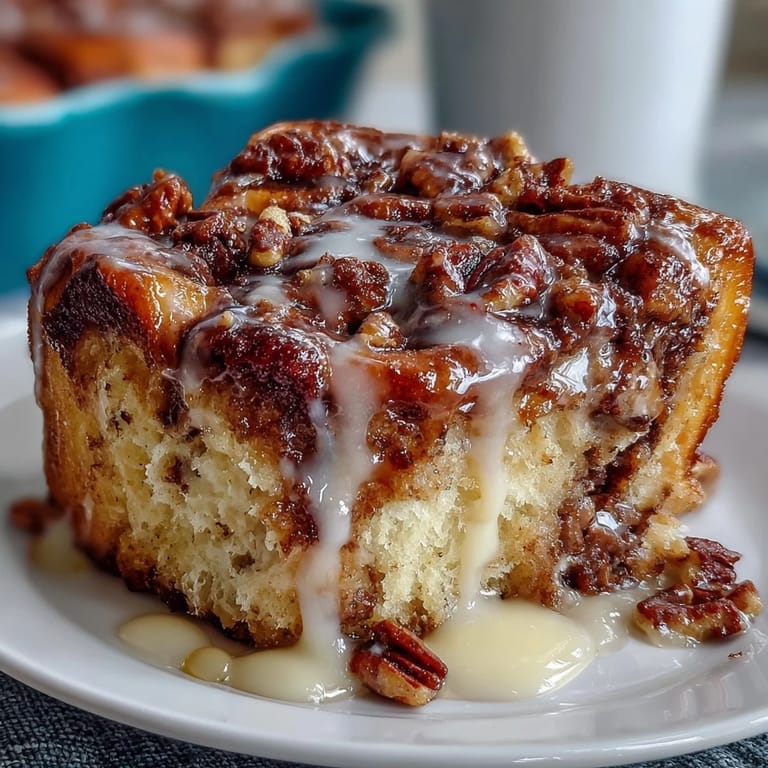
Save The first time my buns came out looking like something from a proper bakery, I called my mother to tell her, which she found hilarious since she'd been baking for forty years. But there was real joy in that moment—proof that patience and attention had transformed simple ingredients into something beautiful. These buns have a way of making ordinary mornings feel like small celebrations.
The Spice Question
I spent an entire batch experimenting with spice ratios before understanding that the cinnamon, allspice, and nutmeg work together like a conversation where each voice matters equally. Increase one and the others fade into the background; balance them and they create something greater than the sum of their parts. A pinch of cardamom, as my neighbor suggested, adds an almost floral complexity that makes people pause and ask what the secret ingredient is.
Why the Citrus Matters
The glaze isn't just decoration—it's what transforms warm spices into something that tastes like spring instead of autumn. Freshly squeezed juice carries bright notes that powdered citrus simply cannot match, and there's a reason the traditional combination is orange and lemon rather than something else. The acidity cuts through the richness of the butter and eggs, making every bite feel fresh despite the bun's luxurious texture.
Making Them Ahead and Storage Tips
These buns actually improve slightly the next day as the crumb firms up just enough to hold together beautifully, though they're most tender when eaten within 24 hours. I've found that wrapping cooled buns in a kitchen towel and keeping them in a bread box or sealed container slows staling dramatically. You can also freeze baked buns for up to two weeks—simply reheat them gently in a low oven until they're warm through.
- Store in an airtight container at room temperature for up to three days if you can resist eating them before then.
- If you're making them ahead, you can actually refrigerate the shaped buns overnight and bake them the next morning for fresh-baked breakfast.
- Leftover buns are absolutely phenomenal split and toasted with butter and a thin scrape of marmalade.
 Save
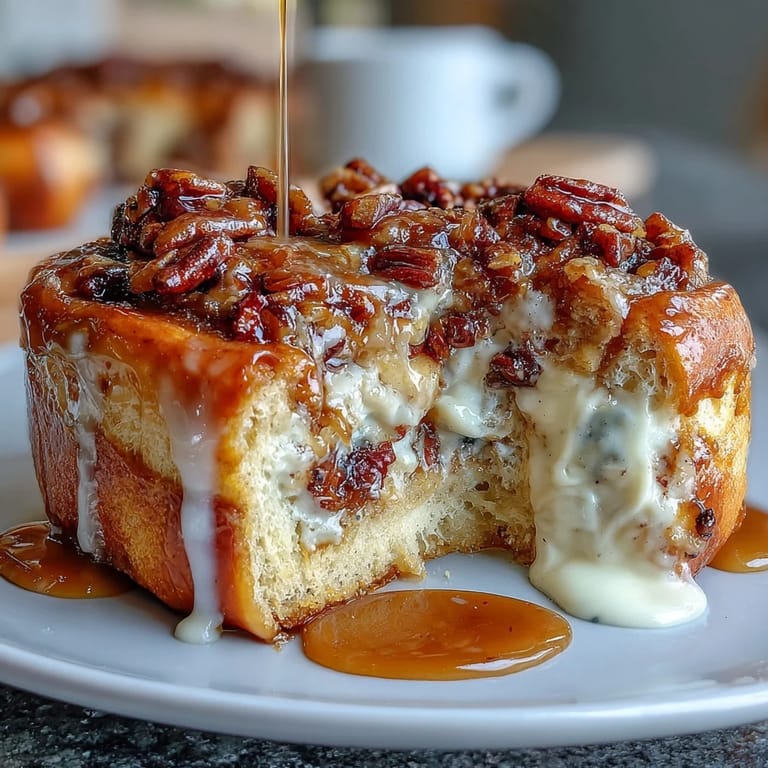
Save These hot cross buns are proof that tradition exists because something is genuinely worth repeating. Make them once and they'll become part of your spring rhythm.
Recipe FAQ
- → What spices are used in these spiced buns?
Cinnamon, allspice, and nutmeg provide a warm and aromatic spice blend that complements the dried fruit and citrus flavors.
- → How do I achieve the soft texture in the buns?
Proper kneading and two rising periods allow gluten development and fermentation, creating a soft, airy crumb.
- → What dried fruits are best for these buns?
Mixed dried currants, raisins, and chopped candied orange peel add sweetness, texture, and depth of flavor to the dough.
- → How is the citrus glaze prepared and applied?
A simple glaze made by mixing powdered sugar with fresh orange and lemon juice is brushed onto warm buns immediately after baking for a bright finish.
- → Can I substitute or add other flavorings?
Adding a pinch of cardamom or substituting dried cranberries or apricots can add unique spice or fruit variations without overpowering the base flavors.
- → What is the purpose of the cross paste on top?
The thick paste made from flour and water is piped onto each bun before baking, creating a traditional cross that lightly crisps during baking.