Save
Save There's something about the smell of fried chicken that stops time. Years ago, I stood in line at a fast-food counter watching chicken emerge golden from the fryer, and I became obsessed with figuring out what made it taste that way. The crispy exterior, the perfectly seasoned coating—it wasn't just salt and pepper. After countless attempts, late-night experiments with spice combinations, and more than a few burnt batches, I finally cracked the code. This recipe is the result of that obsession, and now I can recreate that magic in my own kitchen whenever the craving hits.
I made this for my family's backyard cookout last summer, and my mom took one bite and went silent. Then she smiled and said it tasted like she was back at her favorite restaurant from college. That moment—when food bridges time like that—reminded me why cooking matters. Now whenever someone comes over, this is what they ask for.
Ingredients
- Chicken (8 pieces, skin-on, bone-in preferred): Skin-on, bone-in chicken pieces stay juicier and develop better texture when fried; thighs and drumsticks are more forgiving than breasts.
- Buttermilk (250 ml): The acid tenderizes the meat while the dairy coating helps the spices stick; regular milk with a splash of lemon juice works in a pinch, but buttermilk is worth finding.
- All-purpose flour (200 g): This is your base, and it needs to be fresh; old flour can make the coating taste stale.
- Paprika (2 tsp): This is the backbone of the color and gives that signature warm flavor; don't skip it or use smoked paprika here.
- Garlic powder (1 tsp): Fresh garlic burns too quickly in the oil; powder distributes evenly and adds subtle depth.
- Onion powder (1 tsp): Works with garlic to create that savory undertone without any chunks that might burn.
- Dried thyme, basil, and oregano (1 tsp each): These herbs are the secret players—they're what your nose catches first and what makes people wonder what you did differently.
- Celery salt (1/2 tsp): A pinch of this transforms the entire profile; it sounds odd but trust the method.
- Ground white pepper (1/2 tsp): Softer than black pepper and dissolves more evenly into the flour.
- Black pepper (1/2 tsp): Adds bite and visible specks that look authentic.
- Mustard powder (1/2 tsp): Invisible but essential; it adds a slight tang that mimics the original.
- Ground ginger (1/2 tsp): A tiny warmth that lingers on the palate.
- Cayenne pepper (1/2 tsp): Adjust this to your heat preference; I've made it for people who wanted none and people who wanted more.
- Ground sage (1/2 tsp): The herb that caught me off guard when I first discovered its role, but now I can't imagine this without it.
- Salt (1 tsp in flour): This is in addition to the marinade salt; seasoning the flour separately ensures every bite tastes intentional.
- Vegetable oil (1 liter): Use neutral oil with a high smoke point; peanut oil works beautifully too if you're not allergic.
Tired of Takeout? 🥡
Get 10 meals you can make faster than delivery arrives. Seriously.
One email. No spam. Unsubscribe anytime.
Instructions
- Make the buttermilk bath:
- Whisk together buttermilk, salt, and black pepper in a large bowl until the salt dissolves. The marinade is already flavored enough; you're mainly tenderizing here. Add your chicken pieces and make sure each one is coated, then cover and refrigerate for at least an hour—overnight is even better.
- Build your spice blend:
- In a separate bowl, combine the flour with every spice listed, whisking thoroughly to break up any clumps and distribute the seasonings evenly. This step matters more than you'd think; take your time and really mix it.
- Coat the chicken:
- Remove chicken from the marinade and let the excess buttermilk drip back into the bowl. Working with one piece at a time, press it into the seasoned flour, making sure the coating adheres to every surface, including the crevices. Place each piece on a wire rack and wait 10 minutes; this rest time lets the coating set.
- Heat your oil:
- Pour oil into your deep fryer or a large, heavy-bottomed pot and heat it to 170°C (340°F). Use a thermometer here—too cool and the coating absorbs oil instead of crisping; too hot and the outside burns before the inside cooks.
- Fry in batches:
- Carefully lower chicken pieces into the hot oil, being gentle to avoid splashing. Don't overcrowd the pot; this drops the oil temperature and steams the chicken instead of frying it. Let them cook for 12 to 15 minutes, turning occasionally, until golden brown and the internal temperature reaches 75°C (165°F).
- Finish and rest:
- Drain the chicken on a wire rack rather than paper towels if you have one; this keeps the bottom from getting soggy. Let it sit for 5 minutes before serving so the meat firms up and the coating sets.
 Save
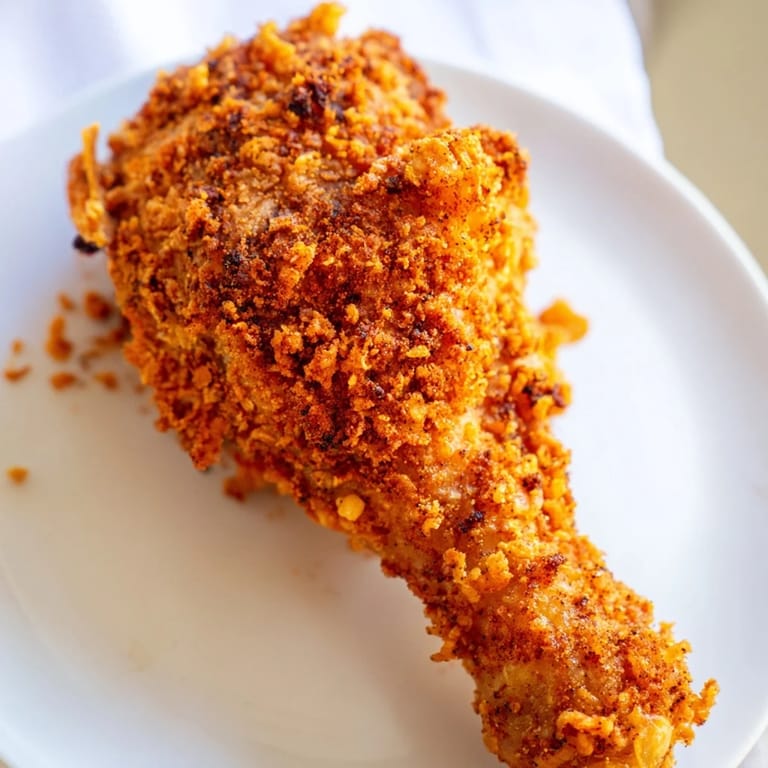
Save The real magic happened when my roommate came home from work and walked into the kitchen, stopped in their tracks, and said, "Is that... did you really make this?" That's when cooking becomes more than following steps. It becomes a small act of care that someone notices and remembers.
The Science of the Crust
The spice blend isn't random—it's designed to complement the Maillard reaction, that beautiful browning that happens when flour proteins hit hot oil. The paprika contributes color and warmth, while the drying herbs survive the heat better than fresh ones would. The acid in the buttermilk tenderizes the meat underneath, creating contrast between the crispy exterior and the juicy interior. This is why the method works; every component does something specific.
Troubleshooting Common Missteps
I've made this recipe at least a hundred times, and I've encountered nearly every mistake possible. The most common is frying at too low a temperature, which results in oil-soaked, limp chicken instead of a golden crunch. Another frequent mishap is skipping the 10-minute rest after dredging; this gives the coating time to adhere properly. A third mistake is overcrowding the fryer, which drops the temperature and steams the chicken instead of frying it.
What to Serve Alongside
This chicken tastes authentic when paired with sides that balance its richness. Creamy coleslaw cuts through the fat with its acidity, crispy fries echo the texture, and warm biscuits soak up the flavors. But honestly, this chicken is bold enough to stand alone with just a squeeze of lemon. The spice blend does all the talking.
- Cold coleslaw made with a tangy vinegar dressing is the perfect foil to the heat and richness.
- A simple green salad with lemon vinaigrette refreshes the palate between bites.
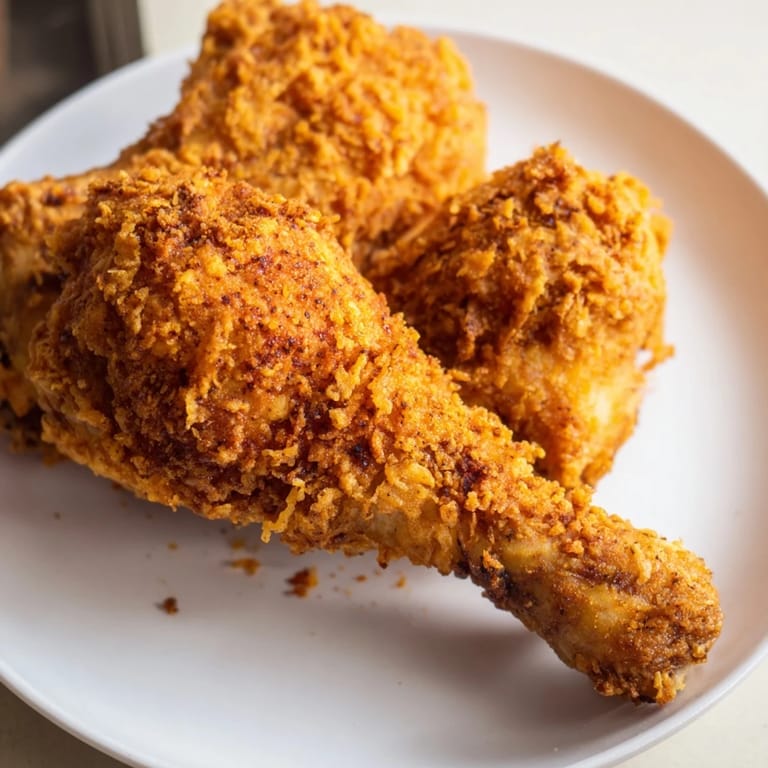
- Serve immediately while the crust is still crackling, because texture is half the experience.
 Save
Save Fried chicken made at home tastes like pride and effort, and it tastes better because of that. Once you master this spice blend, you'll find yourself making this whenever you want to feel like you've accomplished something in the kitchen.
Recipe FAQ
- → How do I achieve extra crispy chicken?
Double-dip the chicken by dredging it in buttermilk, then flour twice before frying. This helps create a thicker, crunchier coating.
- → What cut of chicken works best?
Skin-on, bone-in pieces like drumsticks, thighs, or breasts provide juiciness and hold the coating well.
- → Can I use air-frying instead of deep frying?
Yes, air-frying at appropriate temperature yields a lighter yet still crispy result.
- → How long should the chicken marinate?
Marinating for at least 1 hour enhances tenderness and flavor, but overnight is ideal for deeper taste.
- → What spices are in the seasoning blend?
The blend includes paprika, garlic and onion powders, thyme, basil, oregano, celery salt, black and white pepper, mustard powder, ginger, cayenne, and sage.
- → How do I know when the chicken is fully cooked?
Fry until golden brown and the internal temperature reaches 75°C (165°F) to ensure it is cooked through.