 Save
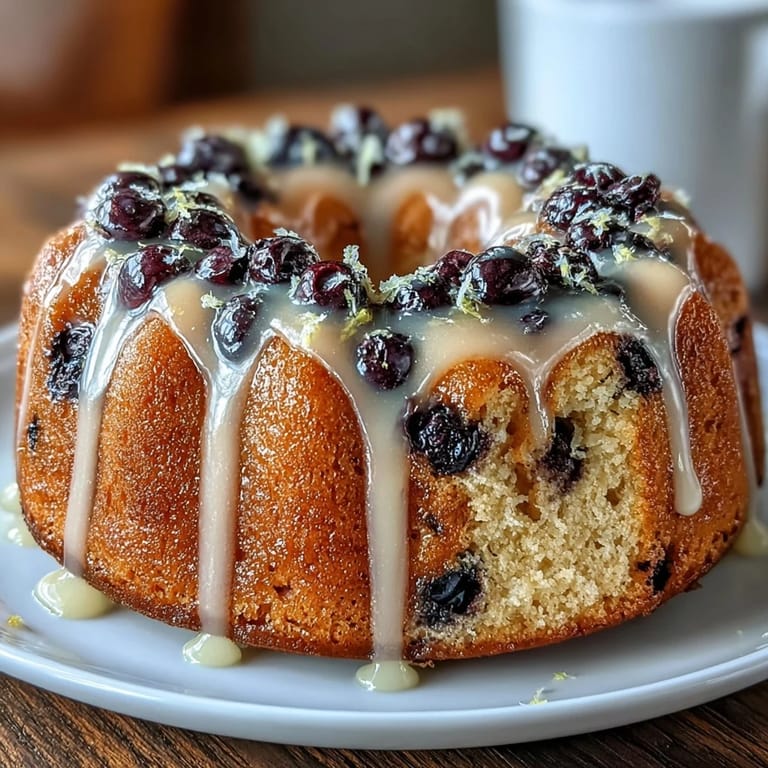
Save Last spring, I was tidying up my sourdough starter and feeling a bit wasteful about pouring discard down the drain when it struck me—why not bake with it? That afternoon, I pulled out my mini bundt pans (a gift I'd barely used) and started playing around with lemon and blueberries, hoping the tangy starter would add something unexpected to an otherwise simple cake. What emerged from the oven was revelatory: delicate, tender cakes with this subtle fermented depth that made the bright citrus and berries sing even louder. My neighbors became my taste testers, and these little cakes disappeared in minutes.
I made these for my sister's garden party one June morning, and watching her friends gravitate toward the cake table (I'd arranged them on a tiered stand with fresh lemon slices) felt like watching something I'd created in quiet kitchen moments suddenly matter to real people. One guest asked if they were from a bakery, and I remember my sister's proud grin when I said I'd made them that morning. It's those little validations that keep you reaching for the mini bundt pans again and again.
Ingredients
- All-purpose flour (2 cups): This is your structural backbone, so measure by weight if you can—it keeps the crumb tender rather than dense and cakey.
- Baking powder and baking soda (1 tsp and 1/2 tsp): Together they create lift without making the cakes taste metallic, and the soda specifically reacts with the acidic sourdough starter to amplify that rise.
- Unsalted butter (1/2 cup, softened): Room temperature butter creams properly with sugar, creating those air pockets that make the crumb delicate and light.
- Granulated sugar (3/4 cup): This isn't just sweetness—it aerates the batter when beaten with butter and keeps the cakes moist for days.
- Eggs (2 large, room temperature): Cold eggs won't emulsify properly into the batter, so pull them out while you're prepping everything else.
- Sourdough starter (1/2 cup, active or discard): This is the magic—even discard adds that fermented complexity and moisture, plus the bacteria naturally tenderize the gluten.
- Whole milk (1/2 cup, room temperature): Milk adds tenderness and richness; room temperature ensures it blends smoothly without shocking the batter.
- Fresh lemon juice and zest (2 tbsp juice, 1 tbsp zest): The juice adds tang while the zest carries the bright, aromatic oils that make every bite taste like spring.
- Pure vanilla extract (1 tsp): Don't skip this—it rounds out the lemon and adds warmth without competing.
- Fresh blueberries (1 cup): Toss them in flour before folding so they stay suspended throughout the batter instead of sinking to the bottom where they'll overcook.
- Powdered sugar and fresh lemon juice for glaze: The glaze brings everything together with a final glossy finish and extra citrus punch.
Tired of Takeout? 🥡
Get 10 meals you can make faster than delivery arrives. Seriously.
One email. No spam. Unsubscribe anytime.
Instructions
- Set your stage:
- Preheat the oven to 350°F and grease those mini bundt pans thoroughly—use your fingers with butter or a quick spray, then dust with flour so the cakes release cleanly. Trust me, a stuck bundt cake is heartbreaking.
- Combine your dry ingredients:
- Whisk flour, baking powder, baking soda, and salt in a medium bowl, making sure everything is evenly distributed. This pre-mixing prevents lumps and ensures even leavening throughout.
- Cream butter and sugar:
- In a large bowl with an electric mixer, beat softened butter and sugar for about 3 minutes until the mixture is pale and fluffy. This step is where you're trapping air, which becomes the lift in your cakes.
- Add eggs one at a time:
- Beat in each egg fully, scraping the bowl between additions. Each egg needs to be fully incorporated and emulsified before the next one goes in.
- Build the wet base:
- Mix in sourdough starter, milk, lemon juice, zest, and vanilla until everything is smooth and well combined. The sourdough might look lumpy at first, but keep mixing until it's evenly distributed.
- Fold in the dry mixture:
- Add the dry ingredients to the wet mixture gradually, mixing just until combined—once you don't see streaks of flour, stop. Overmixing develops gluten, making the cakes tough.
- Toss and fold blueberries:
- Toss the blueberries with 1 tablespoon flour (this prevents them from sinking), then gently fold them into the batter with a spatula, being careful not to crush them. A few crushed berries are fine—they add color and flavor.
- Fill the pans:
- Divide batter evenly among the 8 mini bundt pans, filling each about 2/3 full. This leaves room for the cakes to rise without overflowing.
- Bake until golden:
- Bake for 22–25 minutes, until a toothpick inserted into the center comes out clean or with just a few moist crumbs. The tops should be lightly golden and spring back when gently touched.
- Cool and release:
- Let the cakes rest in the pans for 10 minutes (this helps them set), then carefully invert each one onto a wire rack. If a cake sticks, run a thin knife around the edges and try again gently.
- Make the glaze:
- Whisk powdered sugar with lemon juice until smooth and pourable—you want it to drizzle, not pour like a flood. Start with 2 tablespoons juice and add more until you reach the right consistency.
- Finish with glaze:
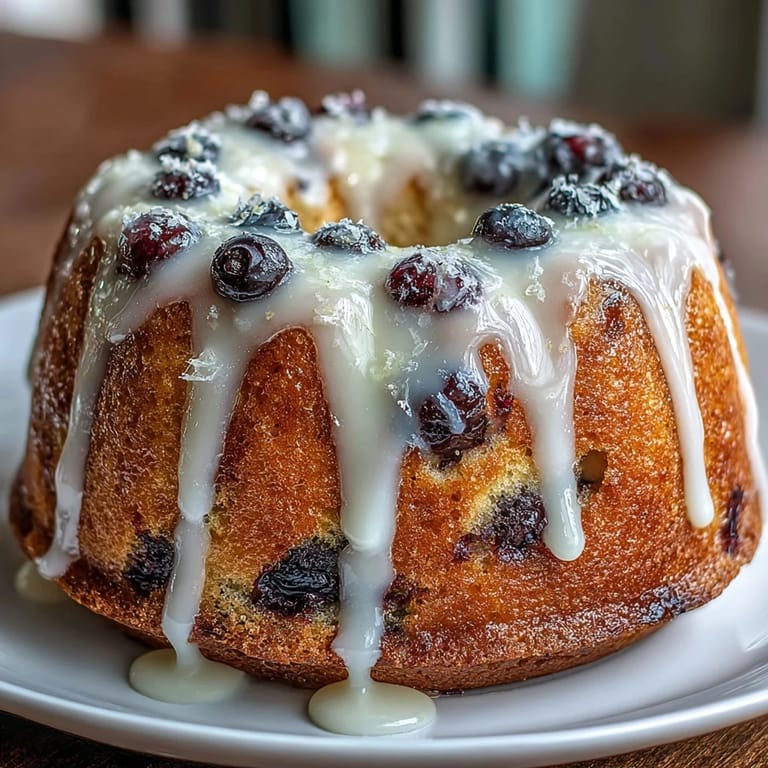
- Once the cakes are completely cool, drizzle the glaze over the top of each bundt cake. Let it set for a few minutes before serving.
 Save
Save There's something about serving mini bundt cakes that feels less like dessert and more like sharing a small, thoughtful gift—they're the perfect size for someone to feel indulged without guilt, and the presentation always looks like you fussed more than you actually did. I've learned that these cakes are best eaten the same day or the next morning, when the sourdough's moisture keeps them soft and the flavors have had time to meld into something even more harmonious.
Why Sourdough Works Here
When I first started baking with sourdough starter in non-bread applications, I expected it to make things sour and tangy, but what actually happens is far subtler. The fermentation process creates organic acids that tenderize gluten strands, so your crumb becomes more delicate without any effort on your part. That same fermentation also produces compounds that enhance flavor complexity—your lemon tastes more lemony, your blueberries taste more vibrant—because the starter is acting like a flavor amplifier beneath the surface. It's one of those happy accidents where you're using up something that would normally go to waste and ending up with a better cake in the process.
The Blueberry Technique That Changed Everything
Early on, I'd dump blueberries straight into the batter and watch helplessly as they sank to the bottom, creating a dense layer of overcooked fruit at the base of each cake. Then I learned the flour-toss trick, and it genuinely transformed the outcome—a light coating of flour creates just enough friction to keep berries distributed throughout the batter. The blueberries bake evenly, stay plump (not bursting into bitter mush), and give you pockets of brightness in every slice. Fresh blueberries work beautifully, but I've found frozen berries (completely unthawed) work just as well, sometimes even better because they're firmer and less likely to bleed color everywhere.
Storing, Serving & Variations
These cakes stay moist and wonderful for two days covered loosely on the counter, though I rarely have leftovers past breakfast on day two. I've served them warm with fresh whipped cream, at room temperature with a dollop of crème fraîche, and even chilled alongside Earl Grey tea on hot afternoons. If you want to add texture, chopped pistachios or walnuts fold in beautifully—about 1/2 cup scattered through the batter.
- Greek yogurt (plain, unsweetened) swaps 1-to-1 for sourdough starter if you don't have a starter going.
- Raspberries or blackberries work beautifully instead of blueberries, though they're more delicate so fold them in even more gently.
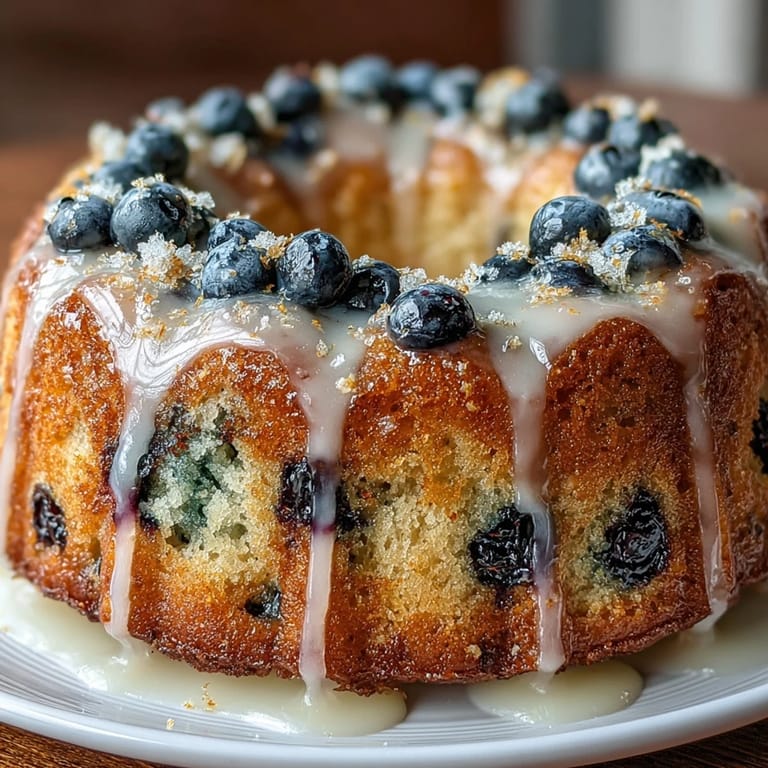
- A light dusting of lemon sugar on top after glazing adds visual appeal and an extra citrus sparkle.
 Save
Save These little cakes proved to me that elegance doesn't require complicated techniques or endless ingredients—sometimes it just requires paying attention to what you already have and treating it with care. Bake them once and they'll become your go-to move for impressing people with minimal fuss.
Recipe FAQ
- → How does sourdough starter affect the cake texture?
Sourdough starter adds subtle tang and moistness, contributing to a tender crumb and enhancing flavor depth.
- → Why are blueberries tossed in flour before folding into batter?
Coating blueberries lightly in flour prevents them from sinking to the bottom during baking, ensuring even distribution.
- → Can I substitute other citrus for lemon in the glaze?
Yes, fresh lime or orange juice can be used for a different citrus twist, adjusting sweetness as needed.
- → What is the best way to store these mini bundt cakes?
Store cooled cakes in an airtight container at room temperature for up to two days or refrigerate for longer freshness.
- → Are there suggestions to enhance texture or flavor?
Adding chopped nuts provides extra texture, and serving with whipped cream or crème fraîche complements the citrus notes beautifully.