 Save
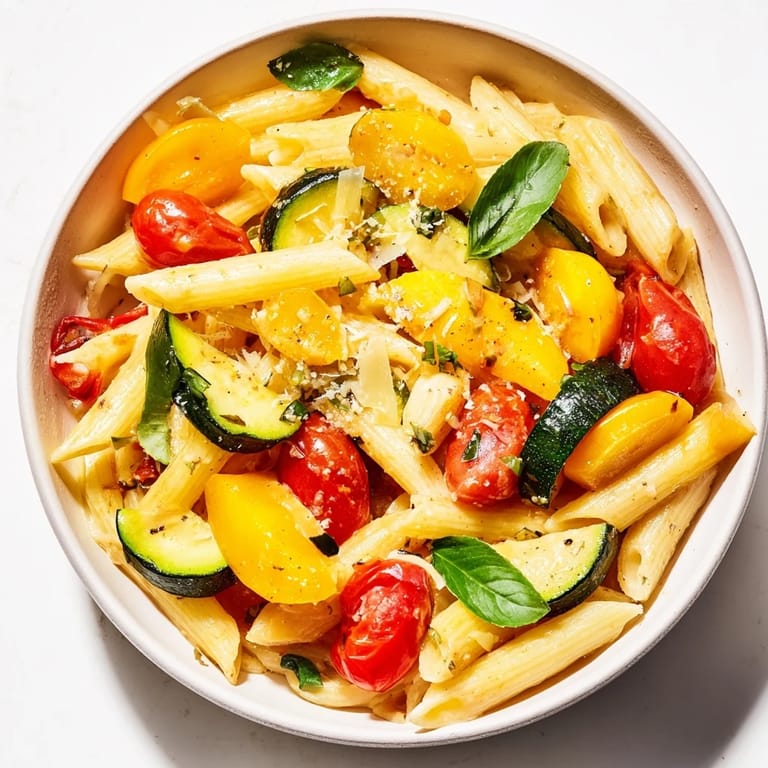
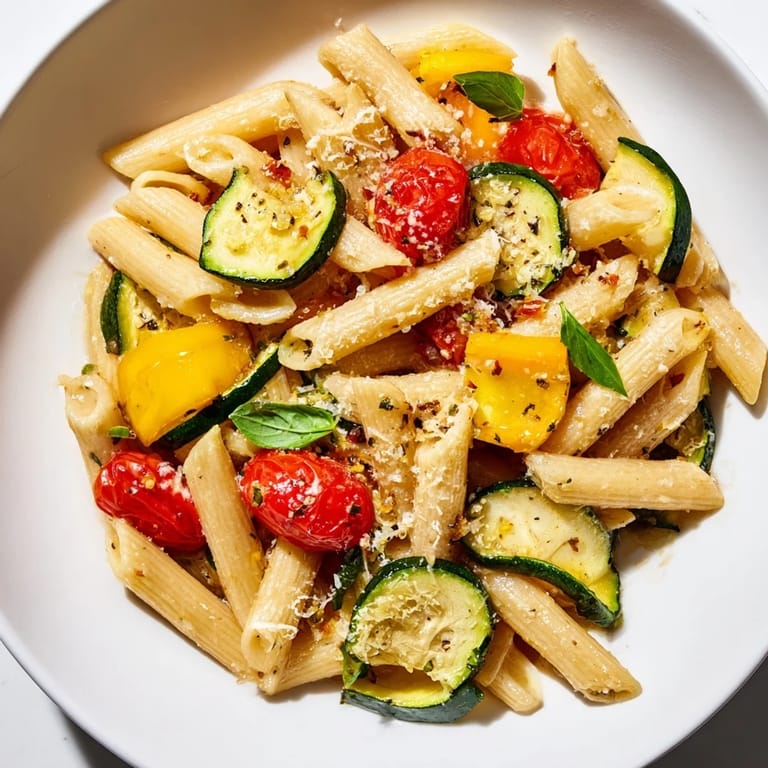
Save My neighbor knocked on my door one August evening with a canvas bag overflowing with squash and zucchini, the kind of surplus that happens when a garden gets overzealous. I had pasta in the pantry and tomatoes on my counter already starting to soften. Within half an hour, I had this dish on the table, bright and summery, and it tasted like the best kind of improvisation. Now I make it every time the farmers market starts groaning under the weight of summer vegetables.
I served this to a friend who claimed she did not like zucchini, watching her fork pause mid-air as she reconsidered. She went back for seconds, then asked for the recipe on her phone before she even left. Sometimes the simplest dishes are the ones that change minds, especially when the vegetables are cooked just enough to be tender but still have a little bite. It reminded me that good food does not need to be complicated to be memorable.
Ingredients
- Penne or fusilli pasta: The ridges and curves catch the vegetables and olive oil beautifully, creating little pockets of flavor in every forkful.
- Zucchini and yellow squash: Slicing them into half-moons ensures they cook evenly and stay tender without turning mushy, which happens faster than you think.
- Cherry or grape tomatoes: Halving them helps them release their juices quickly, turning into a light, fresh sauce that does not need simmering for hours.
- Extra virgin olive oil: Use a fruity, good-quality oil here since it is one of the main flavors, not just a cooking fat.
- Garlic: Mince it finely and watch it closely so it does not burn, which would make the whole dish taste bitter.
- Kosher salt and black pepper: Season the pasta water generously and taste the vegetables as you go, adjusting until everything sings.
- Fresh basil: Tear or slice it at the last minute to keep the flavor bright and the color vivid.
- Red pepper flakes: A small pinch adds warmth without heat, but skip it if you prefer things mild.
- Parmesan cheese: It melts slightly into the warm pasta, adding a nutty, salty finish that ties everything together.
- Lemon zest: A quick grate over the top before serving lifts the whole dish with a hint of citrus brightness.
Tired of Takeout? 🥡
Get 10 meals you can make faster than delivery arrives. Seriously.
One email. No spam. Unsubscribe anytime.
Instructions
- Boil the pasta:
- Bring a large pot of salted water to a rolling boil and cook the pasta until it still has a slight firmness when you bite into it. Before draining, scoop out half a cup of the starchy cooking water, it will help everything come together later.
- Sauté the garlic:
- Heat the olive oil in a large skillet over medium heat until it shimmers, then add the garlic and stir it gently for about a minute until it smells incredible but has not started to brown.
- Cook the squash:
- Toss in the zucchini and yellow squash, stirring them occasionally so they soften and pick up a little color on the edges. They should feel tender but not limp after about five minutes.
- Add the tomatoes and seasonings:
- Stir in the tomatoes, salt, pepper, and red pepper flakes if you are using them, then let everything cook together until the tomatoes start to collapse and release their juices. The skillet should look glossy and smell like summer.
- Combine pasta and vegetables:
- Lower the heat and add the drained pasta directly to the skillet, tossing everything together with tongs. Drizzle in some of that reserved pasta water a little at a time until the sauce clings to the pasta without pooling at the bottom.
- Finish with basil and cheese:
- Stir in the fresh basil and Parmesan, tasting as you go and adding more salt or pepper if needed. The cheese should melt slightly, creating a creamy finish without any cream.
- Serve:
- Divide the pasta into bowls and top with extra basil and a little lemon zest if you want a brighter finish. Serve it warm, while the vegetables still have their shape and the basil smells green and alive.
 Save
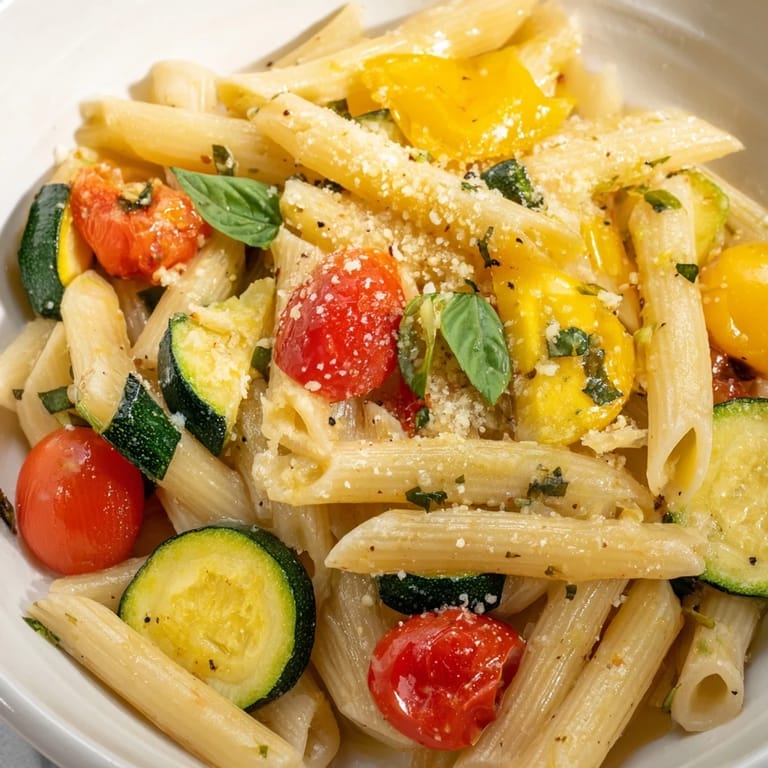
Save One evening I made this for a potluck and watched people come back to the bowl again and again, scraping the sides for one more bite. Someone asked if I had used cream, surprised when I said it was just vegetables, pasta water, and olive oil. That is when I realized that simplicity, done right, feels like a secret ingredient all on its own.
Choosing Your Vegetables
I have swapped in bell peppers when I had them, adding them with the squash so they soften at the same rate. Spinach works too, stirred in at the very end so it just wilts into the warm pasta without cooking down to nothing. The key is to use vegetables that cook quickly and do not release too much water, keeping the dish light instead of soupy.
Making It Your Own
If you want more protein, white beans or chickpeas fold in beautifully, adding heartiness without changing the flavor profile. I have also tossed in shredded rotisserie chicken when feeding someone who insists every meal needs meat. A handful of toasted pine nuts or walnuts scattered over the top adds a nice crunch and makes the dish feel a little more special without much effort.
Storing and Reheating
Leftovers keep in the fridge for up to three days, though the basil will darken and the pasta will soak up most of the sauce as it sits. When reheating, add a splash of water or broth to the pan and warm it gently over medium-low heat, stirring until everything loosens up again. I sometimes stir in a little fresh basil or a drizzle of olive oil right before eating to wake the flavors back up.
- Serve it at room temperature the next day as a pasta salad, it holds up surprisingly well.
- If the squash starts to look too soft after storing, fold in fresh cherry tomatoes and herbs when you reheat.
- Do not freeze this dish, the vegetables turn watery and the texture suffers.
 Save
Save This dish has become my go-to when I want something that feels nourishing without a lot of fuss. It reminds me that the best meals often come from what is already on hand, cooked with a little attention and a lot of good olive oil.
Recipe FAQ
- → Can I make this dish vegan?
Yes, absolutely. Simply omit the Parmesan cheese or substitute with a plant-based alternative. All other ingredients are naturally vegan-friendly. The dish is equally delicious without cheese.
- → What pasta shapes work best?
Penne and fusilli are ideal for catching the vegetable pieces and sauce. Other good options include farfalle, rigatoni, or even spaghetti if you prefer a thinner pasta.
- → How do I prevent mushy vegetables?
Cook the zucchini and squash just until slightly tender—about 4-5 minutes. Add tomatoes afterward so they soften gently without falling apart. Keep the heat at medium and stir occasionally for even cooking.
- → Can I add other vegetables?
Absolutely. Bell peppers, spinach, cherry peppers, or asparagus work wonderfully. Add heartier vegetables like bell peppers earlier in cooking, and tender ones like spinach near the end.
- → What wine pairs well with this dish?
Crisp white wines like Sauvignon Blanc or Pinot Grigio complement the fresh, light nature of this pasta. Their acidity cuts through the olive oil beautifully and enhances the garden vegetables.
- → How do I make it gluten-free?
Use certified gluten-free pasta instead of regular wheat pasta. Check all ingredient labels to ensure no cross-contamination. The cooking method and technique remain exactly the same.