 Save
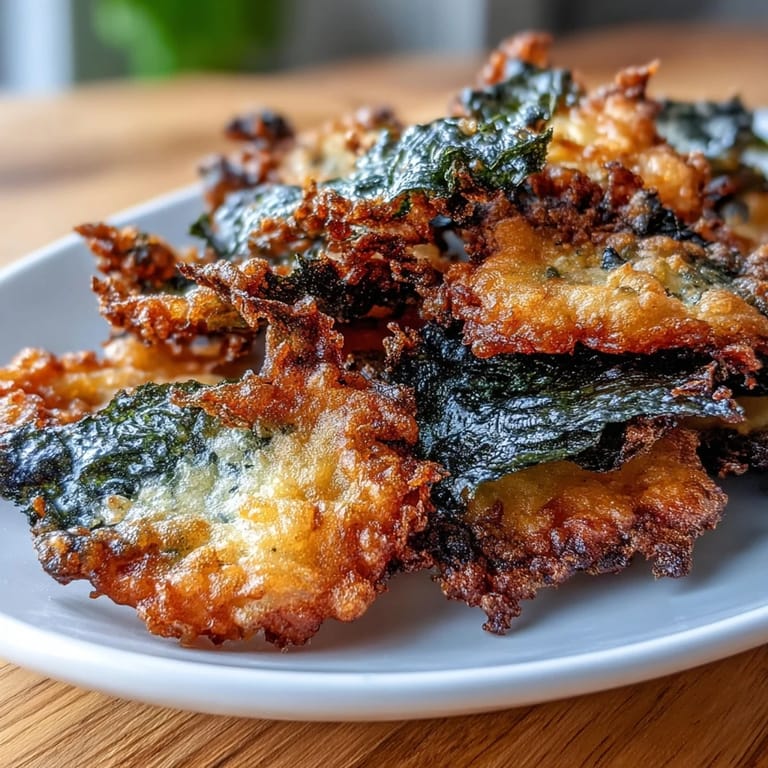
Save There's a moment in every Japanese restaurant where the kitchen sends out seaweed tempura, and it arrives at your table still crackling—literally singing as it cools. I first made this at home on a rainy Tuesday, trying to recreate that exact sound, and discovered something magical: the noise is partly the promise, partly the proof that you've nailed the technique. Now whenever I fry these, that crispy whisper reminds me why simplicity done right beats complicated almost every time.
I made this for friends who were skeptical about eating fried seaweed, convinced they'd hate it. The first batch came out and someone said nothing—just reached for another piece, then another, until the plate was bare except for dipping sauce smears. That's when I knew this recipe had won someone over completely, no words needed.
Ingredients
- Nori sheets (8 large): These need to be fresh and high-quality—the ones that still feel papery, not rubbery, because that's what crisps up beautifully when fried.
- All-purpose flour (100 g / 3/4 cup): The backbone of the batter, but don't sift it unless you like wrestling with extra lumps.
- Cornstarch (30 g / 1/4 cup): This is the ingredient that makes the difference between chewy and shatteringly crisp—it absorbs moisture and keeps things light.
- Baking powder (1/2 tsp): A tiny amount creates subtle air pockets that catch and crisp in the oil; more isn't better here.
- Fine sea salt (1/2 tsp): Enhances the umami naturally present in nori and brightens the overall flavor.
- Ice-cold sparkling water (200 ml / 3/4 cup + 1 tbsp): This is non-negotiable—the carbonation creates texture, and the cold keeps the gluten relaxed so the batter stays tender.
- Egg yolk, chilled (1 large): The yolk binds everything while adding richness; keeping it cold prevents the batter from becoming tough.
- Neutral oil for frying (500 ml / 2 cups): Canola or sunflower oil won't compete with the delicate nori flavor and can handle the high heat required.
- Soy sauce (3 tbsp): The umami anchor of your dipping sauce, bringing savory depth.
- Mirin (2 tbsp): Sweet and glossy, it rounds out the sharp notes of vinegar and soy.
- Rice vinegar (1 tbsp): Provides gentle acidity that lifts the dipping sauce without overwhelming it.
- Sugar (1 tsp): A touch of sweetness balances the salt and acidity in the sauce.
- Toasted sesame oil (1/2 tsp): Nutty and aromatic, this elevates a simple sauce into something memorable with just a whisper.
- Spring onion, finely sliced (1): Fresh, sharp, and visual—it adds brightness to the dipping sauce and a pleasant bite.
- Sesame seeds, optional (1/2 tsp): A toasted garnish that adds texture and another layer of nuttiness to complement the fried nori.
Tired of Takeout? 🥡
Get 10 meals you can make faster than delivery arrives. Seriously.
One email. No spam. Unsubscribe anytime.
Instructions
- Mix the dipping sauce first:
- In a small bowl, combine soy sauce, mirin, rice vinegar, sugar, and sesame oil, stirring until the sugar dissolves completely. Add the sliced spring onion and sesame seeds, then let it sit while you prepare everything else—the flavors will meld and deepen slightly.
- Cut the nori into workable pieces:
- Stack your nori sheets and cut each one into quarters using a sharp knife or kitchen scissors, creating 32 pieces total. This size is perfect: big enough to handle with chopsticks but small enough to fry through evenly.
- Combine the dry ingredients:
- In a mixing bowl, whisk together flour, cornstarch, baking powder, and salt. Don't overthink this—you're just distributing the leavening agent evenly so every piece of nori gets the same gentle lift.
- Make the batter with a light hand:
- In a separate bowl, lightly beat the chilled egg yolk and add the ice-cold sparkling water. Pour this into the dry ingredients and mix gently with chopsticks or a fork—stop as soon as everything is barely combined, leaving small lumps visible. Overmixing develops gluten and toughens the batter; those lumps are your friends.
- Heat the oil to the right temperature:
- Use a heavy-bottomed pan or pot and bring the oil to exactly 180°C (350°F), checking with a thermometer if you have one. If a small piece of batter sizzles immediately but doesn't brown in two seconds, you're at the right temperature.
- Fry in batches, treating each piece with care:
- Working quickly, dip each nori piece into the batter, let excess drip off for a second, and slide it gently into the hot oil. Fry 4 to 6 pieces at a time to avoid crowding the pan, which drops the oil temperature and creates greasy results instead of crispy ones.
- Watch for the golden moment:
- Each piece needs about 30 to 45 seconds in the oil—watch for it to turn pale golden and listen for that satisfying crisp sound. Remove with a slotted spoon immediately and drain on paper towels while the oil returns to temperature.
- Serve warm with the sauce:
- Arrange the tempura on a plate and serve right away, while the crispness is still singing. Dip as you eat, and enjoy the contrast between the delicate crunch and the savory sauce.
 Save
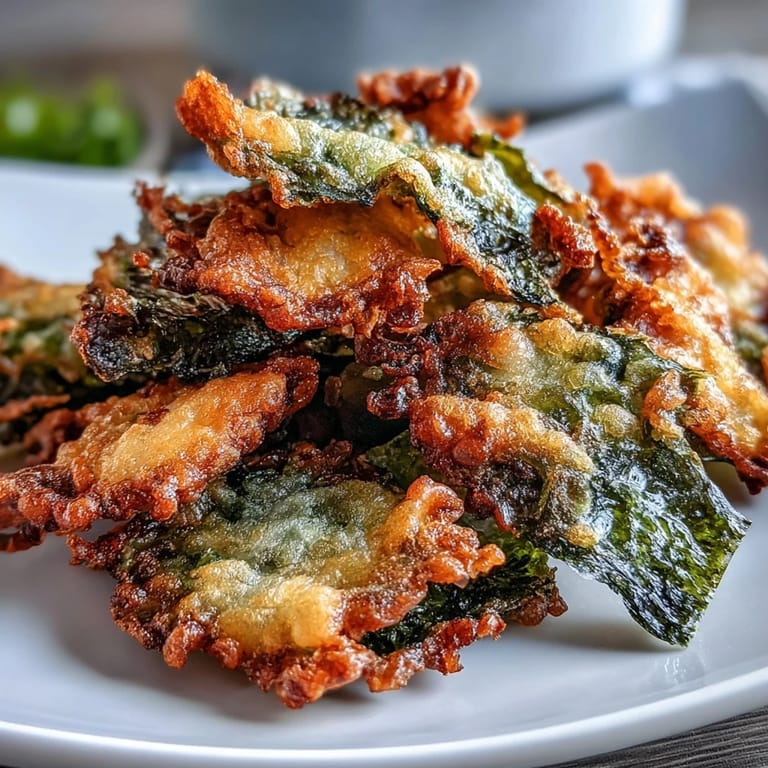
Save One afternoon, I made a double batch and watched my partner quietly steal pieces straight off the cooling plate, moving between tasks in the kitchen without taking their eyes off the stack. No words were exchanged, but that moment told me everything I needed to know about whether this recipe was truly special.
The Magic of Sparkling Water
The carbonation in sparkling water does two things that still-water simply cannot: it creates tiny bubbles in the batter that expand in the hot oil, and it keeps the batter cold longer, preventing gluten development that would make the coating chewy. I learned this the hard way by trying still water first—the difference is absolutely night and day, and once you understand why it works, you'll never skip this step again.
Timing Your Fry
The 30 to 45 second window sounds impossibly short until you actually do it a few times and realize your hands know instinctively when the nori has transformed. The batter will turn from pale cream to a soft golden color, and the seaweed will start making that crackling sound as the moisture escapes. Pulling it out too early leaves it limp; a few seconds too long and it burns into bitter territory.
Serving and Customization
This recipe is beautifully forgiving when it comes to variations, and I've learned that the best versions come from trusting your instincts with what you have on hand. The dipping sauce is equally flexible—some nights I add a tiny pinch of chili flakes to the batter for heat, and other times I'll stir wasabi into the sauce for a different kind of kick.
- For extra crunch that's almost shattering, double-coat each nori piece by dipping, draining, and dipping again before frying.
- A pinch of chili flakes stirred into the batter creates a gentle heat that complements the umami without overpowering the delicate nori flavor.
- Serve alongside cold Japanese beer, green tea, or even a light sparkling sake for a complete experience.
 Save
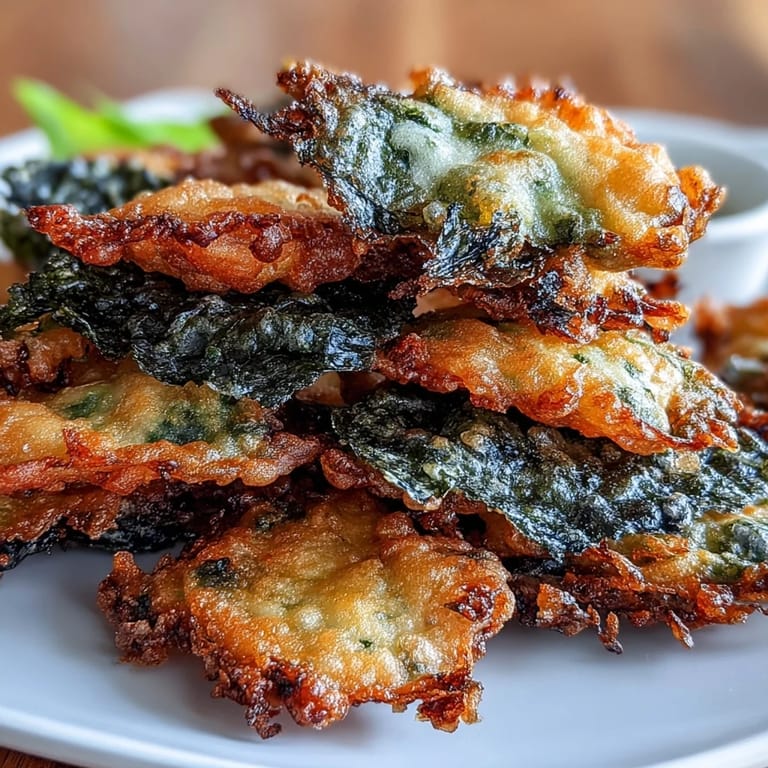
Save Once you make this once and hear that sound, taste that perfect balance of crisp and umami, you'll understand why it's a restaurant favorite. It's proof that some of the most craveable dishes come from respecting simple ingredients and not overthinking the process.
Recipe FAQ
- → What type of seaweed is best for tempura?
Large nori sheets work best as they hold the batter well and crisp up nicely when fried.
- → How can I make the batter extra crispy?
Keep the batter cold and slightly lumpy, and avoid overmixing. Double-coating nori pieces also adds crunch.
- → What oil is recommended for frying?
Neutral oils like canola or sunflower oil are ideal for frying as they have a high smoke point and mild flavor.
- → Can the dipping sauce be modified?
Yes, adjusting the balance of soy sauce, mirin, and rice vinegar can tailor the sauce to your taste preferences.
- → Is it possible to add spice to this snack?
Adding a pinch of chili flakes to the batter or dipping sauce introduces a subtle spicy kick.
- → How should the tempura be served?
Serve warm with the dipping sauce alongside, to enjoy maximum crispness and flavor.