 Save
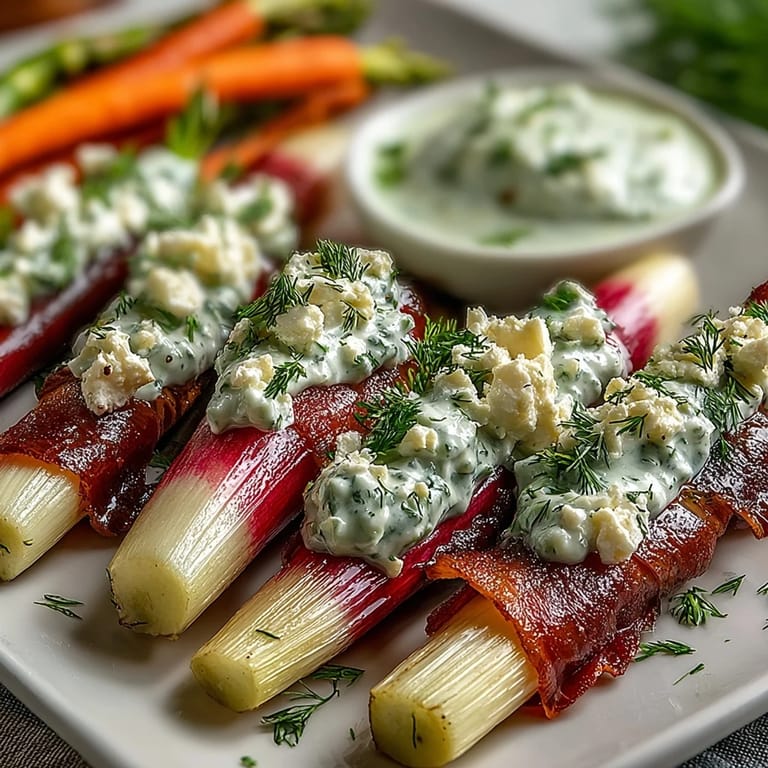
Save There's something about arranging vegetables on a board that makes you feel like you're hosting something special, even if it's just a Tuesday afternoon snack. I discovered this spring board years ago when a friend showed up at my door with a bundle of the most perfect radishes from the farmer's market, still dewy and impossibly crisp. She halved them, scattered them across white ceramic, added some peas and herbs, and suddenly everyone stopped talking and started reaching. That's when I realized the magic wasn't in anything complicated—it was in the freshness, the colors, and a dip so creamy and green it practically begged to be shared.
My partner once brought this board to a potluck where everyone assumed I'd spent hours on it, and I didn't correct them immediately—maybe I should have, but the look on their faces when they tasted how fresh and bright everything was made me feel like a magician for about five minutes. The radishes disappeared first, which surprised me until someone mentioned how the peppery snap paired with the herbaceous dip was better than any appetizer they'd had in months. That's when I understood: simplicity done well is its own kind of showstopping.
Ingredients
- Breakfast radishes: Hunt for the smallest, crispest ones you can find—they're peppery and snappy, nothing like the sad ones that have been sitting around. Halving them instead of slicing makes them easier to grab.
- Sugar snap peas: Eat one raw before you arrange them, honestly. If they don't taste like spring and sweetness, find another bunch.
- Fresh shelled peas: A quick blanch in boiling water for two minutes keeps them bright green and tender, but frozen work beautifully too if fresh aren't available.
- Baby carrots: The tender, thin ones are better than the chunky kind—they're sweeter and less woody.
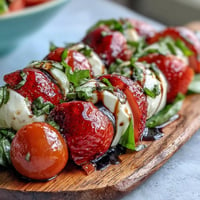
- Cherry tomatoes: Halving them makes them less likely to roll around and gives you more surface area for dipping.
- Cucumber: Slice them fresh right before serving so they stay crisp and don't weep water onto your board.
- Greek yogurt: This is the creamy anchor of the dip; don't skip it for something lighter or the dip becomes thin and sad.
- Mayonnaise: Just two tablespoons adds richness without overpowering the herbs, which is the whole point here.
- Fresh lemon juice: Bottled lemon juice tastes stale; squeeze it fresh and watch how it brightens everything instantly.
- Fresh herbs: Chives, parsley, and dill are non-negotiable—they're what make this dip taste like May on a spoon. Chop them by hand if you can, using a sharp knife.
- Garlic: One small clove minced fine is all you need; too much becomes aggressive and bites back.
- Sea salt and black pepper: Taste as you mix and adjust—this dip should taste bright enough that you want to lick the spoon.
- Microgreens and feta: Optional but they add a visual pop and a salty, tender contrast that feels elegant without trying.
Tired of Takeout? 🥡
Get 10 meals you can make faster than delivery arrives. Seriously.
One email. No spam. Unsubscribe anytime.
Instructions
- Gather and wash everything:
- Run cold water over all your vegetables and let them drain on a clean towel. There's something grounding about this small ritual—you're already halfway to making something people will love.
- Trim and arrange with intention:
- Cut each vegetable thoughtfully, leaving some pieces with their skins and tops when it looks pretty. Scatter them across your board in clusters, letting colors talk to each other—reds next to greens, whites next to purples—like you're painting with vegetables.
- Build the dip:
- Measure Greek yogurt into a bowl and let mayo and lemon juice fall in next, then watch as you stir—the mixture gets creamy and pale. Fold in your fresh herbs gently so they don't bruise, then taste a finger's worth and adjust salt and pepper until it makes you close your eyes a little.
- Settle the dip on the board:
- Pour it into a small bowl and nestle it into the center of your board, or off to one corner if you're feeling asymmetrical about it. This is your dip's moment to shine, so let it.
- Finish and serve straight away:
- Scatter microgreens and feta if you're using them, add crackers nearby, and step back for a second to enjoy what you've made. The best time to serve is now, while everything is at its crispest and brightest.
 Save
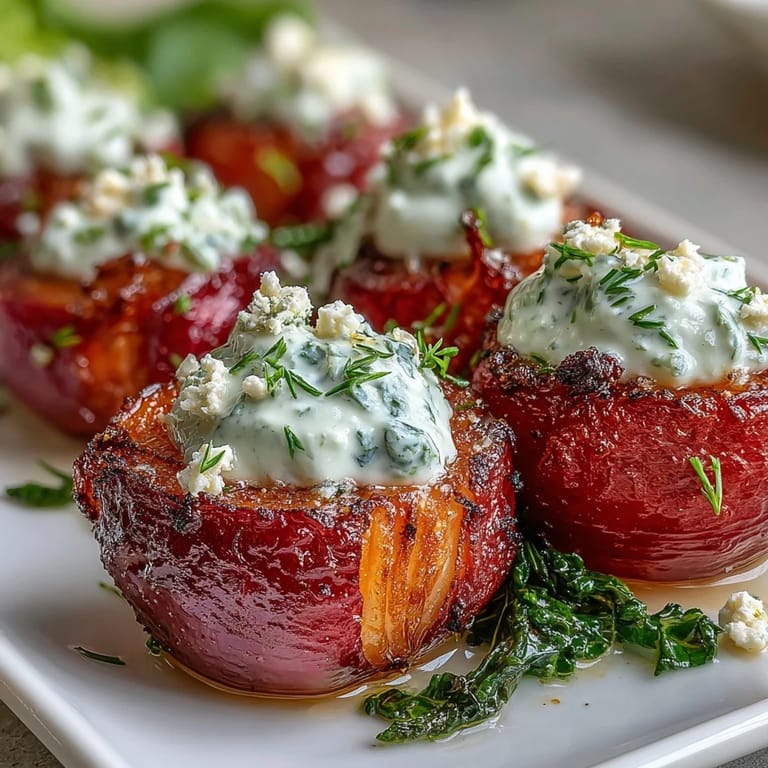
Save This board became my answer to almost every hosting question that spring—friends arriving unannounced, a lazy Sunday gathering, even a difficult conversation that needed softening. There's healing in fresh vegetables and herbs, something about biting into a crisp radish that makes you feel present and alive. I think that's what keeps people coming back.
The Secret to a Beautiful Board
Don't arrange everything in neat rows like a grocery display; instead, cluster vegetables by color and create little pockets of rhythm. Let some vegetables lean against each other, let the dip bowl sit off-center, and trust that abundance and slight imperfection look more inviting than precision. I learned this by watching farmers' market vendors arrange their produce, the way they created visual movement that made you want to reach in and touch everything.
When to Make This and Why
Spring and early summer are obvious, but I've made this board in late winter using greenhouse radishes and stored carrots, and it still felt like a celebration. The beauty of this recipe is that it adapts—whatever looks alive and tasty at your market becomes your board. It's the kind of dish that works for morning brunches, afternoon catch-ups, or evening gatherings when you want people to feel nourished without feeling fed at.
How to Store and Transform Leftovers
If vegetables linger on the board, trim them, store them in water in the fridge, and they'll stay crisp for days—use them in salads or roasted. The dip, covered, lasts about two days and honestly tastes even better the next day when the flavors have melded together. Toss leftover dip with warm potatoes, spoon it over fish, or use it as a sandwich spread; it's too good to waste.
- Make extra dip if you're feeding a crowd, because people will choose it over everything else.
- Keep vegetables cold on ice if you're serving outdoors on a warm day.
- Prep the dip early but assemble the board right before guests arrive for maximum visual impact.
 Save
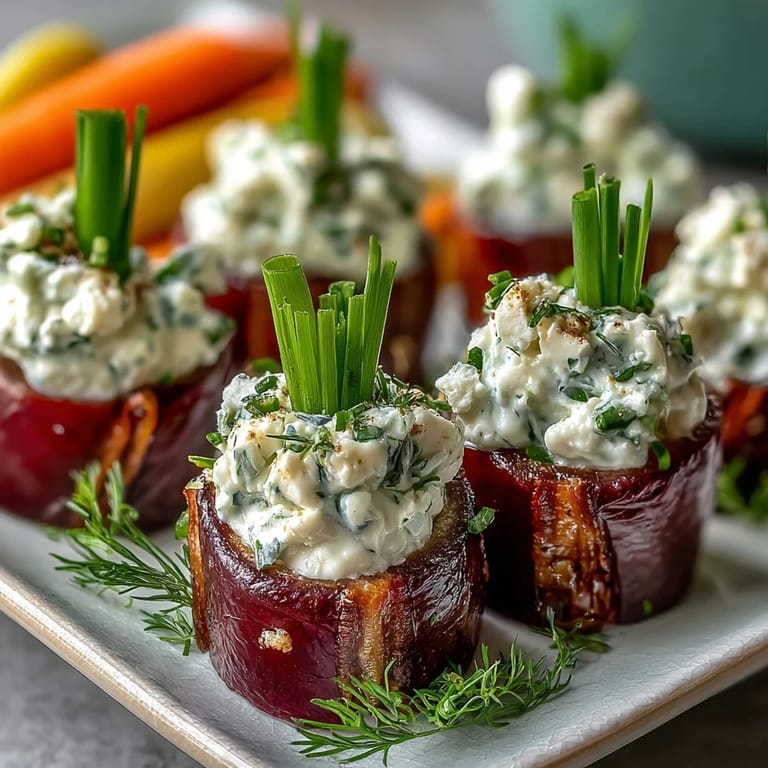
Save What started as a simple solution to entertaining has become how I think about cooking—making fresh ingredients shine without overcomplicating them. This board reminds me that sometimes the most memorable meals are the simplest ones.
Recipe FAQ
- → Can I make this herb dip vegan?
Yes, substitute Greek yogurt with plant-based yogurt and use vegan mayonnaise for a dairy-free dip.
- → What other vegetables pair well on the board?
Asparagus tips, blanched green beans, or sliced bell peppers complement the existing veggies nicely.
- → How long can the dip be stored?
The dip can be prepared in advance and refrigerated for up to two days, retaining freshness.
- → Are there any allergen concerns to note?
This board contains dairy from yogurt, mayonnaise, and feta. Crackers may contain gluten, so check labels accordingly.
- → What is the best way to serve this board?
Arrange all vegetables attractively on a large board, place the herb dip in a bowl, add optional garnishes, and serve with crackers or sliced baguette on the side.