 Save
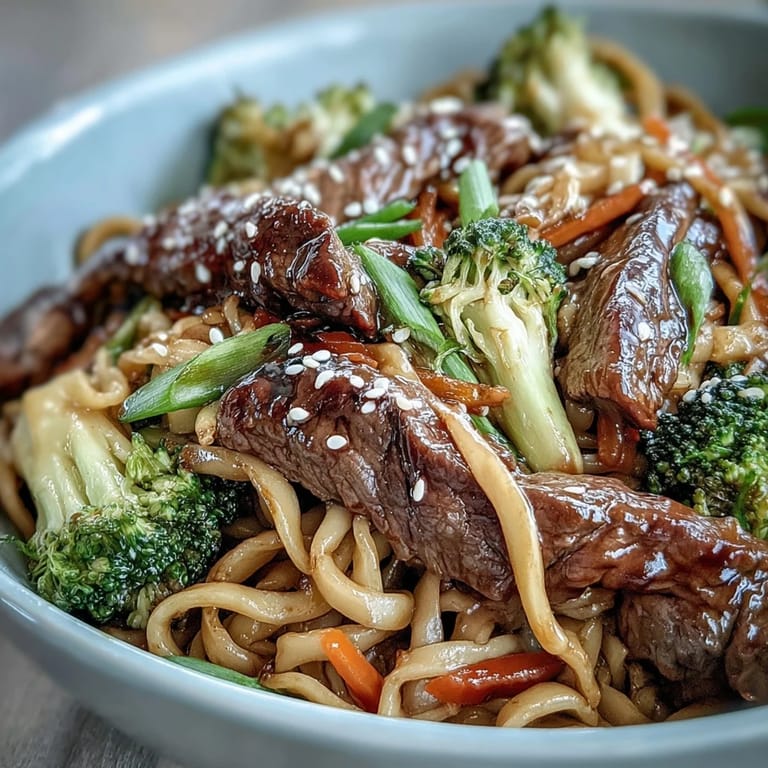
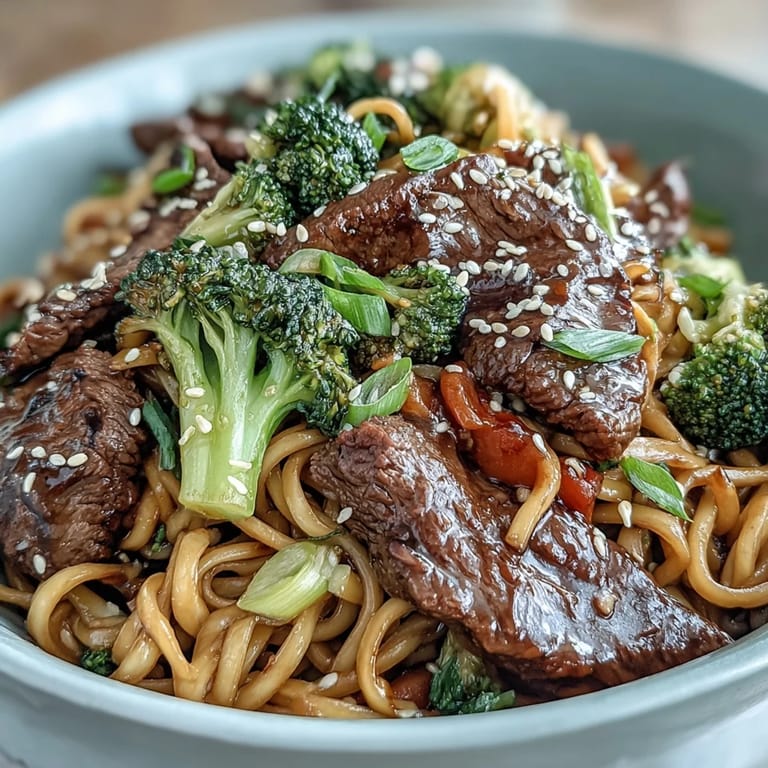
Save The first time I made these Korean beef noodles, I had just come home from a chaotic day at work and needed something that felt like a warm hug but didn't require hours of attention. My tiny apartment filled with the aroma of garlic and ginger hitting hot oil, and suddenly the day's stress evaporated. I've made this dish countless times since then, often doubling the recipe because my roommate started requesting it weekly. There's something about the way the glossy soy-brown sugar sauce clings to every strand of rice noodle that makes everything feel right in the world.
Last winter, my sister came over during a snowstorm and we ended up cooking this together while sipping wine. She kept stealing pieces of beef straight from the skillet, claiming she was just quality control. We ate standing up in the kitchen, snow piling up outside, noodles steaming in our bowls. Now whenever she visits, she doesn't even ask what's for dinner anymore. She just shows up with a bottle of wine and expects these noodles to happen.
Ingredients
- 8 ounces rice noodles: These soak up the sauce beautifully and have that perfect slip-through-your-chopsticks texture. Soak them in warm water while you prep everything else to speed things along.
- 1 pound flank steak, thinly sliced against the grain: Cutting against the grain is absolutely crucial here. I learned this the hard way when my first attempt came out chewy. Freeze the meat for 15 minutes before slicing to get those paper-thin pieces effortlessly.
- 1 cup broccoli florets: Broccoli holds up perfectly in stir-fries, maintaining a satisfying crunch while absorbing all that garlicky sauce.
- 1 bell pepper, sliced: Red or yellow both work beautifully here, adding sweetness and vibrant color that makes the dish pop.
- 1 carrot, julienned: These take a bit of prep work but they add such a lovely crunch and sweetness that balances the salty soy sauce.
- 2 green onions, chopped: Fresh green onion on top is non-negotiable. It adds a sharp, fresh bite that cuts through the rich sauce.
- 3 cloves garlic, minced: Fresh garlic is absolutely worth the effort here. Pre-minced stuff from a jar just doesn't have the same punch.
- 1 teaspoon ginger, grated: Fresh ginger brings warmth and depth that dried ginger simply cannot replicate in this dish.
- 1/3 cup soy sauce: This is the backbone of our sauce. Use a good quality soy sauce, it really does make a difference.
- 2 tablespoons brown sugar: The brown sugar caramelizes slightly in the heat, giving the sauce that gorgeous sheen and depth.
- 1 tablespoon sesame oil: Toasted sesame oil adds that nutty, aromatic finish that makes the dish unmistakably Korean-inspired.
- 2 tablespoons vegetable oil: You want a neutral oil with a high smoke point for the actual cooking. Save the sesame oil for finishing.
- Sesame seeds, for garnish: These add such a lovely crunch and visual appeal. Toast them quickly in a dry pan for even more flavor.
Tired of Takeout? 🥡
Get 10 meals you can make faster than delivery arrives. Seriously.
One email. No spam. Unsubscribe anytime.
Instructions
- Cook the rice noodles:
- Cook them according to package directions, then drain immediately and rinse with cold water to stop the cooking process. Drizzle with a tiny bit of oil to keep them from sticking together.
- Heat the skillet:
- Get your wok or large skillet screaming hot over medium-high heat. You want to hear that satisfying sizzle when the beef hits the pan.
- Sear the beef:
- Add the vegetable oil, then carefully lay in the sliced beef. Let it sear undisturbed for 1 minute before tossing. Cook for just 2 to 3 minutes total, then remove and set aside. Don't overcrowd the pan or the beef will steam instead of sear.
- Bloom the aromatics:
- In that same beautiful beef-flavored oil, toss in the garlic and ginger. Stir constantly for just 30 seconds. You'll smell the fragrance bloom and know it's time to move on.
- Stir-fry the vegetables:
- Add the broccoli, bell pepper, and carrot all at once. Keep everything moving for about 5 minutes. You want the vegetables tender but still with a satisfying crunch.
- Make the sauce:
- While the vegetables cook, whisk together the soy sauce, brown sugar, and sesame oil in a small bowl. Stir until the brown sugar completely dissolves.
- Combine and coat:
- Return the beef to the skillet and pour that gorgeous sauce over everything. Stir to combine, letting the sauce bubble and thicken slightly.
- Add the noodles:
- Gently toss in the cooked rice noodles, using tongs to lift and turn everything until each strand is evenly coated and heated through, about 2 minutes.
- Garnish and serve:
- Top generously with chopped green onions and sesame seeds. Serve immediately while everything is still hot and those noodles are perfectly slippery.
 Save
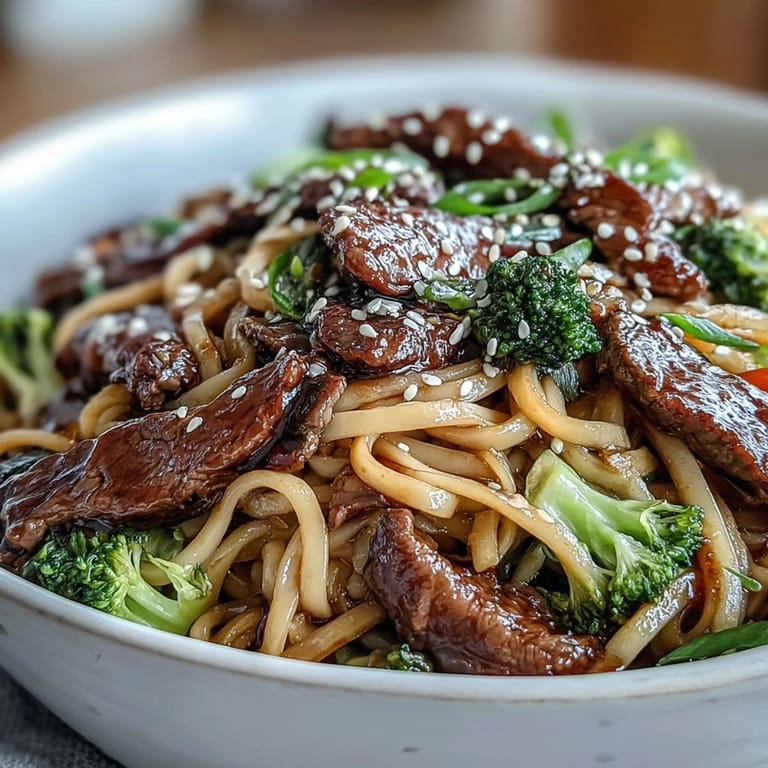
Save This recipe became my go-to for dinner parties because it looks impressive coming to the table, steam rising and vegetables vibrant against the dark glossy noodles. I love watching people take that first bite and see their eyes light up. It's not just dinner, it's a whole experience.
Making It Your Own
Sometimes I throw in snap peas or zucchini when they're in season. The beauty of this dish is how forgiving it is with vegetable additions. Just remember to add harder vegetables first and softer ones later so everything finishes at the same time.
Protein Swaps
Thinly sliced chicken breast works beautifully here, as does firm tofu pressed and cubed. I've even made a vegetarian version with mushrooms and extra vegetables that was surprisingly satisfying. The sauce is versatile enough to carry whatever protein you choose.
Leftovers And Meal Prep
This actually keeps beautifully in the refrigerator for up to 3 days, though the noodles will absorb more sauce as they sit. I often make a double batch specifically for lunches throughout the week. When reheating, splash in a tablespoon of water to help loosen everything up.
- Add a drizzle of fresh sesame oil when reheating to wake up the flavors
- If taking for lunch, pack the garnishes separately to keep them fresh
- The flavors actually develop and deepen overnight, so leftovers can be even better
 Save
Save I hope this recipe finds its way into your regular rotation like it has mine. There's something profoundly comforting about a bowl of noodles that feels like it was made with intention and care.
Recipe FAQ
- → Can I use a different cut of beef?
Yes, while flank steak is recommended for its tenderness and quick cooking, you could also use sirloin or even thinly sliced chicken breast or pork loin for a variation. Ensure it's cut against the grain for best results.
- → What other vegetables would work well in this dish?
Many vegetables can be added or substituted. Snap peas, zucchini, mushrooms, or even bok choy would complement the flavors nicely. Add them according to their cooking times to ensure they remain crisp-tender.
- → How can I make this dish spicier?
For an added kick, you can stir in a teaspoon of sriracha or gochujang paste directly into the sauce mixture. Adjust the amount to your personal preference for heat.
- → Are there alternatives to rice noodles?
While rice noodles provide a distinct texture, you could substitute them with egg noodles, ramen noodles, or even spaghetti for a different experience. Adjust cooking times according to package directions.
- → How long do leftovers last and how should they be stored?
Leftovers can be stored in an airtight container in the refrigerator for up to 3 days. Reheat gently in a skillet or microwave, adding a splash of water or broth if needed to loosen the noodles.
- → Can this be made gluten-free?
To make this dish gluten-free, ensure you use certified gluten-free rice noodles and gluten-free tamari instead of regular soy sauce. Always check labels for all ingredients.