 Save
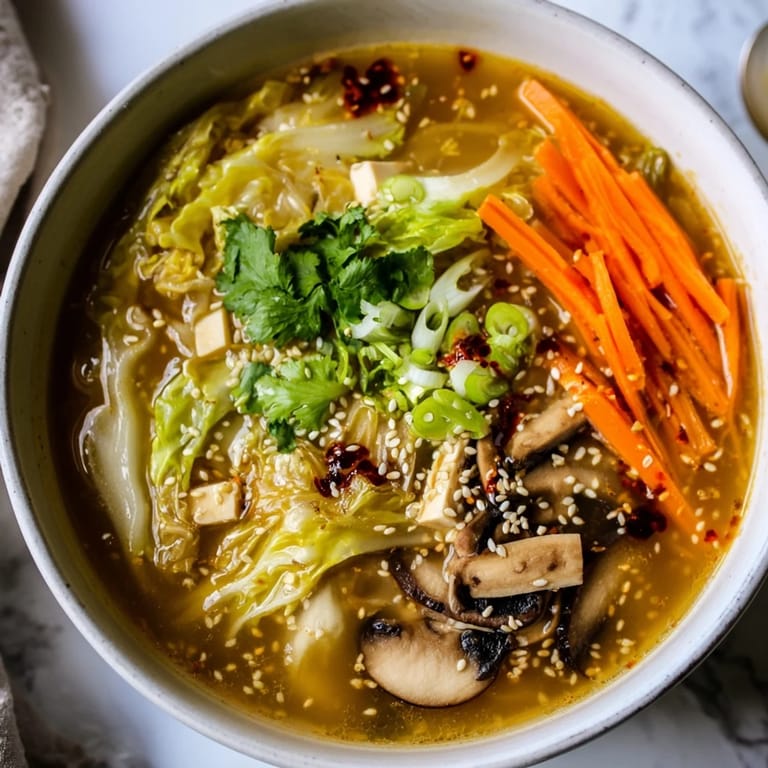
Save Last winter, after a particularly brutal week of deadlines and gray skies, I found myself standing in my kitchen at 9 PM, craving something that felt like a hug in a bowl. I threw together this ginger-miso soup with whatever I had in the fridge, and honestly, it saved me. The way the ginger warms your chest, followed by that deep, savory miso flavor, it's like medicine for the soul. Now it's my go-to whenever I need to reset.
I made this for my sister when she was recovering from the flu last February, and she texted me the next day saying it was the first thing that actually tasted good in days. There's something about the combination of fresh ginger and miso that just heals you from the inside out. Now whenever someone mentions feeling under the weather, this is what I make.
Ingredients
- 6 cups water or vegetable broth: I prefer using water because the miso and ginger provide so much flavor on their own, but broth adds an extra layer of depth if you have it on hand
- 2-inch piece fresh ginger, thinly sliced: Don't peel it, just give it a good scrub and slice it thin so it infuses the broth beautifully
- 2 garlic cloves, thinly sliced: Slice these instead of mincing so you get these mellow, sweet bites of garlic throughout the soup
- 2 tablespoons white or yellow miso paste: White miso is sweeter and milder, while yellow has a bit more funk, either works wonderfully here
- 1 cup napa cabbage, thinly sliced: This adds sweetness and texture, and it holds up beautifully in the hot broth without getting mushy
- 1 medium carrot, julienned: The carrot adds color and sweetness that balances the salty miso perfectly
- 1 cup shiitake mushrooms, sliced: These bring an earthy, meaty quality that makes the soup feel substantial
- 2 scallions, sliced: Fresh oniony bite on top makes all the difference
- 1 tablespoon toasted sesame seeds: These little crunches add such satisfying texture and nuttiness
- Fresh herbs like cilantro or parsley: A handful of something green makes it feel finished and bright
- Chili oil or flakes: Just a little heat cuts through the richness and wakes everything up
Tired of Takeout? 🥡
Get 10 meals you can make faster than delivery arrives. Seriously.
One email. No spam. Unsubscribe anytime.
Instructions
- Build your aromatic base:
- Bring your water or broth to a gentle bubble, then drop in those slices of ginger and garlic. Let them simmer for about 10 minutes until your kitchen smells amazing and the broth has taken on their essence.
- Add the vegetables:
- Toss in your cabbage, carrots, and mushrooms. Let everything simmer for another 5 to 7 minutes until the vegetables are tender but still have some bite to them.
- Temper the miso:
- Ladle some of that hot broth into a small bowl with your miso paste, whisking until it's completely smooth. This keeps the miso from clumping when you add it back to the pot.
- Combine gently:
- Pour your miso mixture into the soup, stirring carefully. Do not let it come to a boil again, or you'll lose those beneficial probiotics in the miso.
- Add your finishing touches:
- If you're using tofu or noodles, fold them in now and let them warm through for just a couple of minutes.
- Serve it up:
- Ladle into your favorite bowls and top generously with scallions, sesame seeds, herbs, and whatever else makes you happy.
 Save
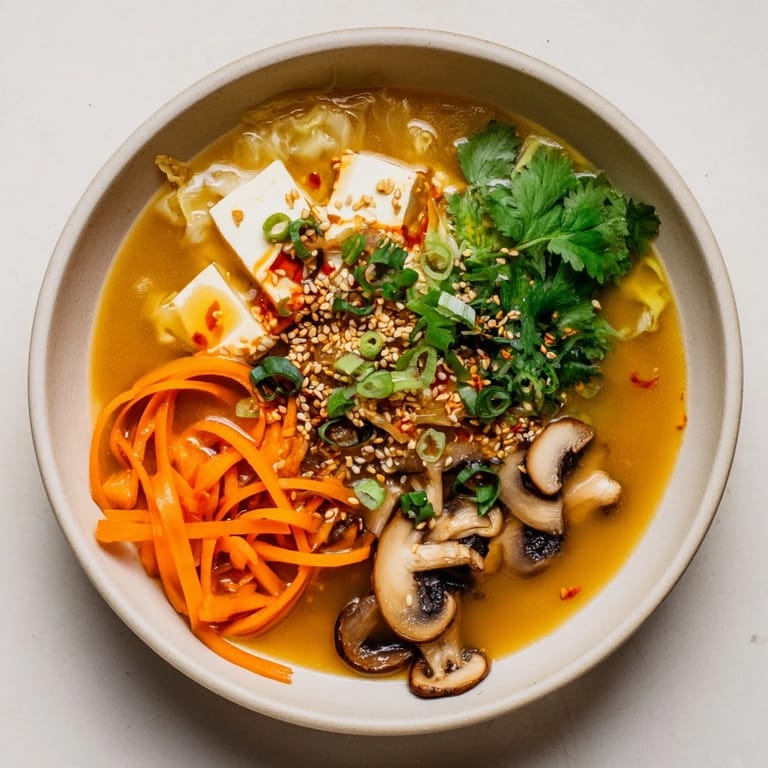
Save My neighbor texted me at 11 PM one night asking what I was cooking because the smell had drifted through our building's ventilation. She came over with an empty container, and now we have a standing date every Sunday to make big batches together. It's become more than soup, it's become a ritual.
Making It Your Own
Sometimes I'll add a splash of soy sauce or tamari if I want that extra salty depth, especially if I'm using water instead of broth. Other times, I'll throw in some bok choy or baby spinach at the very end, just until they wilt. The beauty of this soup is how forgiving it is, you really can't mess it up.
What To Serve With It
This soup is substantial enough to stand alone, but I love pairing it with a simple green salad dressed with sesame vinaigrette. If I'm feeling extra hungry, I'll cook up some soba noodles separately and let everyone add their own to the bowl. A pot of green tea on the side makes the whole experience feel so intentional and calming.
Storage And Make-Ahead Tips
This soup keeps beautifully in the refrigerator for up to four days, though I've been known to eat it on day five with absolutely no complaints. The vegetables will soften over time, but the flavor just gets deeper and more developed. I recommend storing the garnishes separately and adding them fresh each time you reheat a bowl.
- If you know you'll be eating this throughout the week, undercook the vegetables slightly so they don't turn to mush after reheating
- Freeze the broth without the noodles and tofu if you're planning to store it longer than a few days
- Reheat gently over medium-low heat, never letting it come to a rolling boil
 Save
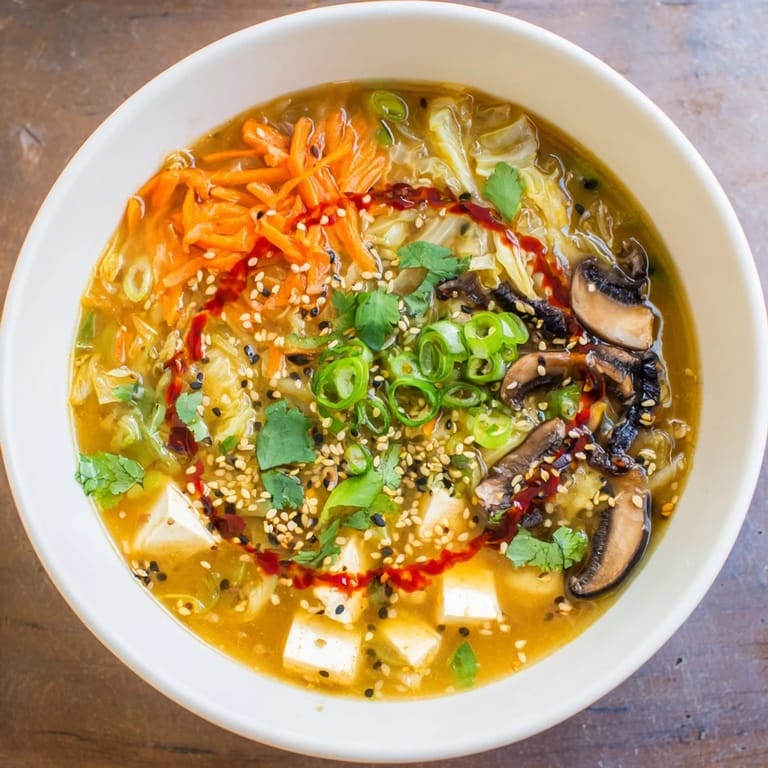
Save There's something so comforting about knowing you can create something this nourishing with such humble ingredients. I hope this soup becomes a little ritual for you too, whatever the weather or season.
Recipe FAQ
- → Can I make this ahead of time?
Yes, prepare the broth and vegetables in advance, but add the miso just before serving to preserve the beneficial probiotics and prevent the flavor from becoming too intense.
- → What vegetables work best in this soup?
Napa cabbage, carrots, and shiitake mushrooms are classic choices. You can also add bok choy, spinach, daikon radish, or enoki mushrooms based on what's available.
- → Why shouldn't I boil the miso?
Boiling miso destroys the beneficial probiotics and can make the flavor bitter and grainy. Always whisk it into warm broth off the heat for the best texture and health benefits.
- → Is this suitable for meal prep?
Absolutely. Store the soup without miso added, then stir in fresh miso when reheating individual portions. Keep garnishes separate for the best texture.
- → Can I add protein?
Silken tofu cubes absorb the savory broth beautifully. For heartier options, add cooked shrimp, shredded chicken, or edamame during the final minutes of heating.