 Save
Save I'll never forget the first time I attempted an elaborate charcuterie board for a dinner party. I was intimidated by the complexity, thinking it required some secret culinary skill I simply didn't possess. But as I started folding prosciutto into delicate ribbons and arranging cheeses with intention, something magical happened. The board came alive under my hands, transforming from a collection of ingredients into an edible work of art. That evening, watching guests gasp as they approached the table, I realized that an Advanced Artisan Array isn't about perfection—it's about the joy of creating something beautiful and generous with your own hands.
I remember my mother's face when I unveiled my first Advanced Artisan Array at her birthday brunch. She walked into the kitchen, stopped mid-sentence, and just stared. The board was spread across our dining table like a still life painting, and for that moment, all the careful folding and sculpting felt completely worth it. That's when I understood—this isn't just food, it's a love language spoken through generosity and artistry.
Ingredients
- Prosciutto (100 g, thinly sliced): The delicate, silky foundation of your cured meat section. I learned to drape these thin ribbons like fabric because they're fragile and deserve respect—and because they photograph beautifully when arranged with intention.
- Soppressata (100 g, thinly sliced): This is your peppery anchor that gives the board personality. It holds its shape better than prosciutto, making it perfect for folding into intricate rose shapes.
- Capicola (100 g, thinly sliced): Sweet, spiced, and visually stunning with its deep red color. Layer it generously—it's the showstopper that guests ask about by name.
- Chorizo (100 g, sliced): Adds a smoky depth and vibrant color contrast. Don't skip this if you want a truly memorable board.
- Mortadella (100 g, sliced): The elegant pink brings a delicate charm and a tender, buttery quality that balances the spicier cured meats.
- Brie (150 g, chilled): Creamy and forgiving—slice it into wedges and let it sit just long enough to soften, but not so long that it collapses.
- Manchego (150 g): This Spanish treasure adds a nutty, slightly crystalline texture that gives your cheese selection sophistication.
- Aged Cheddar (150 g): Sharp, firm, and deeply flavorful. Cut it into shards to let people break off what they want—there's something interactive and fun about that.
- Goat Cheese (150 g): The creamy wild card that adds tang and a beautiful contrast to harder cheeses. I learned to serve this slightly warmed for maximum tenderness.
- Gouda (150 g): Sweet, smooth, and almost caramel-like when aged. It bridges the gap between bold and approachable.
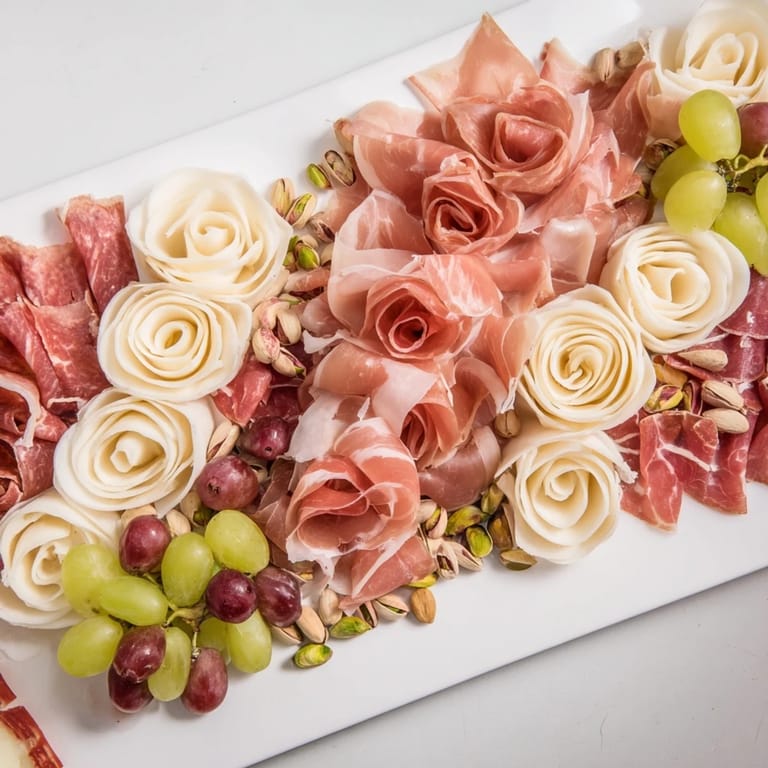
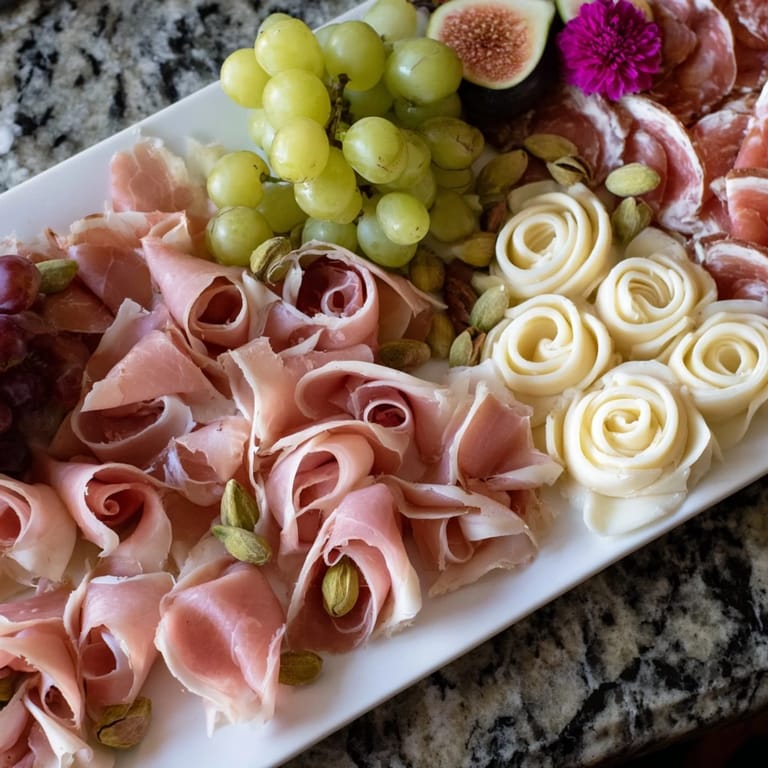
- Provolone (100 g, for sculpting roses): This is your sculpture material. Its pliability makes it perfect for rolling into those show-stopping cheese roses.
- Red Grapes (1 bunch): Nature's jewels that catch light and add color. I arrange them in small clusters to create visual rhythm across the board.
- Green Grapes (1 bunch): The crisp, refreshing counterpoint that keeps guests coming back for more.
- Figs (2, quartered): Their jewel-like interior is pure elegance. Quarter them just before serving to prevent browning.
- Pomegranate (seeded): Those ruby arils are liquid garnish—they glisten and add an unexpected pop of tartness.
- Apple (1, thinly sliced): A crisp, gentle sweetness. Toss slices in lemon juice to prevent oxidation and maintain that pristine appearance.
- Pear (1, thinly sliced): Softer and more delicate than apple, it adds a subtle elegance. Prep it at the last moment.
- Dried Apricots (50 g): Chewy and sweet, they create beautiful golden clusters between the proteins.
- Dried Cherries (50 g): Tart-sweet jewels that add depth and sophistication to the dried fruit section.
- Dried Figs (50 g, halved): Dense, honeyed, and slightly mysterious—they're the bridge between savory and sweet.
- Marcona Almonds (75 g): Buttery and luxurious, these Spanish almonds feel more elegant than regular varieties. Roast them lightly for extra warmth.
- Pistachios (75 g): Their bright green and natural split makes them visually striking. Arrange them in small clusters for maximum impact.
- Cornichons (75 g): Tiny, crisp, and tangy. These pickles cleanse the palate and deserve a special small bowl of their own.
- Mixed Olives (75 g): Variety is key here—a mix of green, black, and brined gives complexity. I always pit mine ahead of time as a kindness to guests.
- Roasted Red Peppers (50 g, sliced): Sweet, silky, and jewel-toned. These are your secret weapon for adding color without much effort.
- Artichoke Hearts (50 g, quartered): Delicate and slightly tangy, they add an unexpected sophistication that guests will ask about.
- Whole Grain Mustard (1 jar, 100 g): Keep it in its beautiful jar and nestled in a small bowl. The texture and slight graininess elevate everything.
- Fig Jam (1 jar, 100 g): Sweet and complex, it's the perfect companion for hard cheeses and charcuterie. Serve it with a small spreading knife.
- Honey (1 jar, 100 g): Drizzle or dip—honey on aged cheddar or soft brie is a revelation. Use a honey wand or small spoon for easy sharing.
- Baguette (1, sliced): Toast these lightly and arrange them standing up in gaps for texture and visual interest.
- Assorted Crackers (150 g): Mix shapes, colors, and textures. Include water crackers for sophistication, rosemary for flavor, and hearty options for substance.
- Grissini (100 g breadsticks): These Italian breadsticks add height and drama. Bundle them with twine or herbs for visual poetry.
- Fresh Rosemary Sprigs: Not just garnish—these fragrant branches anchor your board and smell incredible. Guests will comment on it.
- Fresh Thyme: Delicate and herbaceous, sprinkle these between ingredients for color and a hint of garden-fresh aroma.
- Edible Flowers (pansies, nasturtiums): These are your signature move. They transform a board from impressive to unforgettable. Source them from specialty markets or grow them yourself.
- Microgreens: A final whisper of color and freshness that makes everything look intentional and polished.
- Radish Roses: These sculptural garnishes show you care about details. Make them an hour ahead and keep them in ice water.
Tired of Takeout? 🥡
Get 10 meals you can make faster than delivery arrives. Seriously.
One email. No spam. Unsubscribe anytime.
Instructions
- Prepare Your Canvas:
- Start with a pristine wooden or marble board at least 18 by 24 inches. Wipe it clean and let it be your blank canvas. This moment matters—a clean board is like a prepared mind, ready to receive your creativity. Set out your small bowls for mustard, jam, and honey, positioning them where they won't get lost in the abundance but remain accessible.
- Sculpt Your Cheese Roses:
- Take your provolone and carefully roll thin slices into tight spirals, then gently fan out the edges until they resemble blooming roses. This takes patience, but I promise the first time you step back and see those roses, you'll feel like an artist. Work slowly, letting your hands remember the motion. The slight pressure of rolling, the cool cheese beneath your fingertips—this is where the magic starts. Make at least four to six roses depending on your ambition.
- Create Meat Roses:
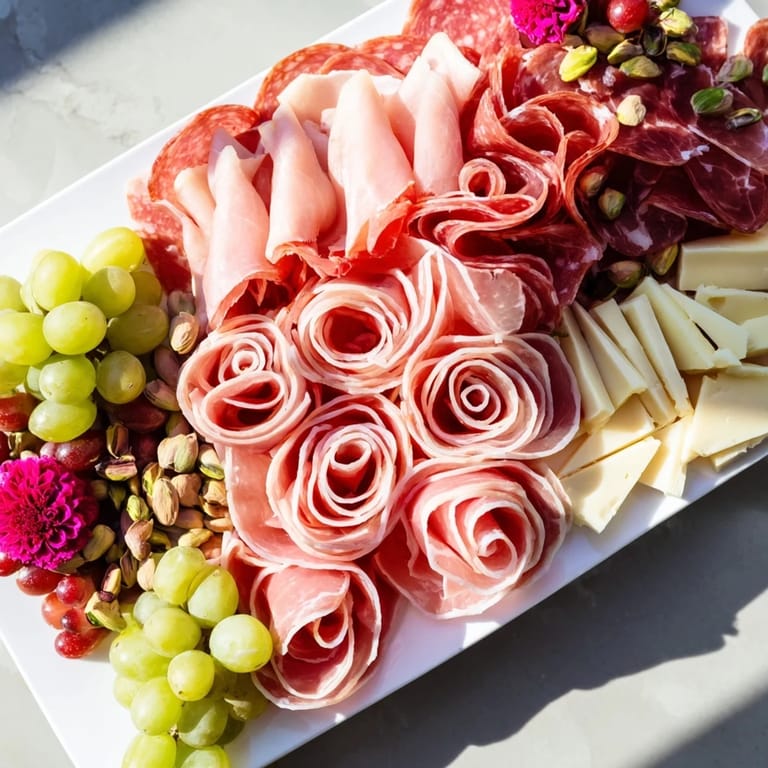
- Now do the same with soppressata and capicola. These are actually easier than cheese roses because the meat has more structure. I arrange mine in a spiral pattern directly on the board, creating a foundation that's both beautiful and functional. The layered effect draws the eye and creates depth.
- Arrange the Cured Meats with Drama:
- Fold your prosciutto, mortadella, and chorizo into intricate shapes. Don't just lay them flat—create height and texture. Fold some into quarters, fan others out, let some drape as if caught mid-movement. Fill gaps generously. The secret is thinking of this like drapery, not just sliced meat. Layering is your friend here.
- Place Your Cheese Strategically:
- Cut your brie into wedges and position one or two prominently. Cut manchego and aged cheddar into varied shapes—wedges, shards, cubes. Scatter them across the board so someone's eye is drawn in multiple directions. Group your cheese roses in clusters of two or three, creating focal points.
- Nestle Your Fruits:
- Arrange fresh grapes in small clusters between cheeses and meats. Quarter your figs and position them where they catch light. Scatter pomegranate arils as if sprinkling edible jewels. Fan out your apple and pear slices, working quickly and arranging as you go. Position dried apricots, cherries, and figs in their own gentle piles, creating color contrast.
- Layer In the Accoutrements:
- Scatter your Marcona almonds and pistachios in small piles. Nestle your olives and cornichons in clusters. Add roasted red peppers and artichoke hearts in spots that need more color. This is where you listen to the board—it will tell you where things belong. Trust your instincts about balance and visual rhythm.
- Integrate Your Bread and Crackers:
- Fan out your baguette slices and stand them up slightly for dimension. Arrange crackers and grissini in the gaps, grouping similar items together but scattered enough to feel abundant. Bundle your grissini with a sprig of rosemary for elegance.
- Crown It with Garnishes:
- Now comes the final transformation. Tuck fresh rosemary sprigs throughout, as if you've just harvested them from a garden. Scatter thyme leaves delicately. Arrange your edible flowers as focal points—maybe one peeking out between cheeses, another perched on a cheese rose. Sprinkle microgreens in strategic spots. Create radish roses from chilled radishes using a paring knife (score them with thin cuts and let them open in ice water), then position them as living garnish. Step back. This is your moment of beauty.
- Final Presentation:
- Serve immediately if you're building for an event, or cover loosely with plastic wrap and refrigerate until 15 minutes before guests arrive. You want cheeses at room temperature for maximum flavor, but everything should be cool and refreshing. Your board is now a masterpiece.
 Save
Save I remember hosting my first Advanced Artisan Array for a group of friends I'd just met. As they gathered around the table, the conversation didn't happen over the board—it happened because of it. People slowed down. They pointed at edible flowers and asked questions. Someone paired a fig with goat cheese and a dab of honey and closed their eyes in genuine pleasure. That's when I understood: this isn't about impressing anyone with how complicated it is. It's about creating space for connection through abundance and care. The board was just the excuse.
The Art of Arrangement
There's a reason they call it an array—it's about orchestration. I learned that boards are best composed in sections that flow into one another rather than scattered randomly. Think of it like arranging flowers: you want heights that vary, colors that complement, and textures that surprise. The meats create the base, cheeses provide anchor points, fruits add freshness, and garnishes provide the finishing poetry. When I step back and look at my board, I should see balance without symmetry, abundance without chaos. It's the difference between a board and a work of art.
Timing and Temperature
The temperature of your board matters more than people realize. I keep my board in the kitchen until 15 minutes before serving, then move it to where guests will gather. Cold cheese tastes sharp and uninviting. Cheese at room temperature reveals its nuances—the richness of brie, the complexity of manchego, the depth of aged cheddar. That 15-minute buffer is where magic happens. Meanwhile, fresh fruits and bread should stay cool so they're crisp and refreshing. It's a gentle dance between temperatures, and once you feel the rhythm, you'll know instinctively when a board is ready to serve.
Making It Your Own
The most beautiful boards are the ones that reflect your personality and your table. I started following this recipe precisely, thinking precision mattered. Then I realized that what mattered was being true to what you love. Do you prefer sharp cheeses or mild? Lean more that direction. Love nuts? Make them a bigger statement. Have access to incredible local cheeses? Absolutely use them instead of what I've suggested. The structure of an Advanced Artisan Array is a framework, not a prison. Use it to build something that makes you happy and tells your guests something true about your taste and your generosity.
- Swap any cheese or meat for something you prefer—the ratios matter more than exact varieties.
- Add your favorite elements: candied nuts, chocolate truffles, smoked cheeses, or spiced fruits based on what's in your pantry and your heart.
- Keep gluten-free crackers and vegan alternatives on hand so everyone at your table feels welcomed and included.
 Save
Save An Advanced Artisan Array is never just about feeding people—it's about celebrating together. When you take the time to fold meats with intention, sculpt cheese into roses, and position edible flowers with care, you're saying something without words: you matter, and I want you to have an experience you'll remember. That's the secret ingredient that can't be written on any ingredient list.
Recipe FAQ
- → How do you create the cheese roses?
Roll thin slices of pliable cheeses like provolone into spirals, then gently fan out the edges to form delicate petal shapes.
- → What are the best meats to use for folding?
Choose a variety of thinly sliced cured meats such as prosciutto, soppressata, capicola, chorizo, and mortadella for rich texture and flavor contrast.
- → How should fresh and dried fruits be arranged?
Cluster fresh grapes, figs, and apple slices alongside dried apricots, cherries, and figs to add bursts of color and natural sweetness throughout the board.
- → What garnishes enhance the presentation?
Fresh rosemary, thyme, edible flowers, microgreens, and radish roses add visual interest and a fragrant finish.
- → Can this board be prepared ahead of time?
Yes, components can be prepped in advance, but assemble just before serving or cover tightly and refrigerate to maintain freshness.