 Save
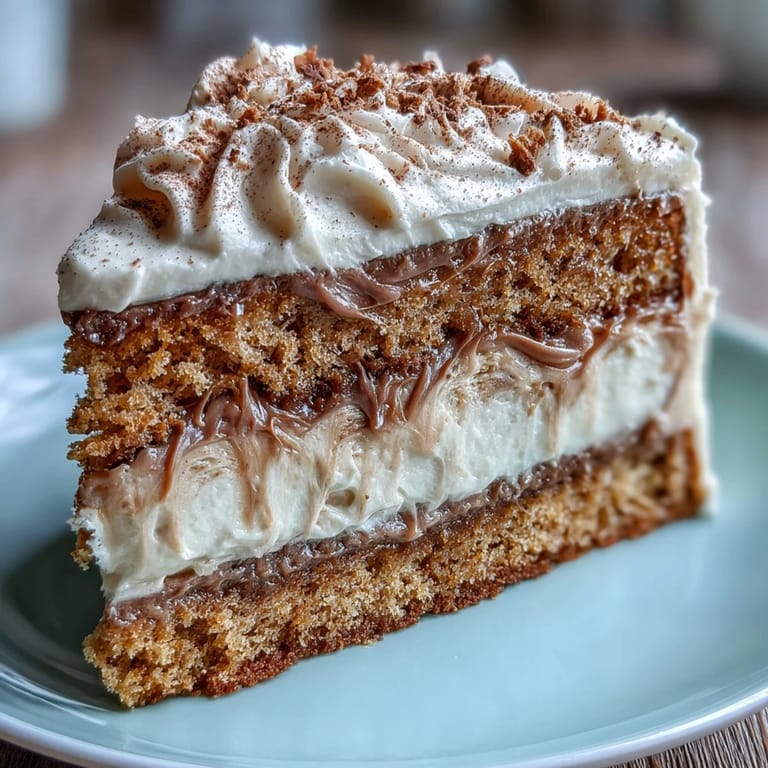
Save My first encounter with hojicha cake happened at a small tea café in Kyoto, where the baker explained that roasting green tea transforms it into something mysteriously warm and nutty. I was captivated by how delicate the sponge was, how it practically dissolved on my tongue, and the way the smoky cream lingered just long enough to feel like a conversation. When I finally tried making it at home, I realized the magic wasn't complicated at all—just respect for technique and the right balance of air and flavor.
I baked this for my partner's birthday gathering, and watching people taste it for the first time was unforgettable—their faces softened as the hojicha flavor bloomed, surprised by how sophisticated something so fluffy could be. One guest asked if I'd added caramel, another swore they tasted toasted nuts, and I loved that everyone experienced it differently. That's when I understood the magic of this cake: it leaves room for each person's imagination.
Ingredients
- Eggs (4 large, room temperature): Room temperature eggs incorporate air more readily when whisked, which is the entire foundation of this cake's lift and structure.
- Granulated sugar (120 g): The sugar stabilizes the whipped egg foam and sweetens gently without overwhelming the subtle hojicha notes.
- Cake flour, sifted (120 g): This low-protein flour keeps the crumb tender and delicate—all-purpose flour will make it denser and more like a regular cake.
- Hojicha powder (20 g for cake, plus 10 g for cream): Seek out quality hojicha powder from Japanese sources; it makes an enormous difference in depth and smoothness of flavor.
- Unsalted butter, melted and cooled (40 g): Melted butter integrates better into the delicate batter than softened, and cooling it first prevents the eggs from scrambling.
- Whole milk, room temperature (30 ml): This tempers the butter so it doesn't deflate your precious foam when folded in.
- Fine sea salt (1/4 tsp): Even a whisper of salt brightens the hojicha flavor and prevents the cake from tasting flat.
- Heavy cream (300 ml, minimum 35% fat): Higher fat content means the cream whips faster and holds peaks beautifully without turning grainy.
- Powdered sugar (40 g): Use it finely sifted to avoid lumps, which can ruin the silky texture of whipped cream.
- Vanilla extract (1 tsp): A small amount adds warmth that complements hojicha's roasted character without competing with it.
Tired of Takeout? 🥡
Get 10 meals you can make faster than delivery arrives. Seriously.
One email. No spam. Unsubscribe anytime.
Instructions
- Warm the eggs and sugar together:
- Place your eggs and sugar in a heatproof bowl and hold it over simmering water, whisking constantly until the mixture feels warm—around 40°C—and the sugar crystals have dissolved completely. This warming step is what allows the eggs to whip to such an airy, voluminous state.
- Whip until pale and tripled:
- Transfer to your mixer and beat on high speed for about 7 minutes until the mixture is thick, pale, and has roughly tripled in volume—this is non-negotiable for the cake's structure. Give it one more minute on lower speed to stabilize the foam without deflating it.
- Fold in the dry ingredients gently:
- Sift your cake flour, hojicha powder, and salt together first, then fold it into the eggs in two additions using a rubber spatula with a gentle hand. Work carefully from the bottom of the bowl upward, rotating the bowl as you fold, to keep as much air as possible trapped in the batter.
- Combine butter and milk, then fold together:
- Whisk your melted butter and milk together, take a scoop of the batter and stir it into that mixture until smooth, then fold the entire tempered mixture back into the main batter. This technique ensures the fat doesn't deflate all your hard work in one heavy pour.
- Pour and tap gently:
- Transfer the batter to your prepared pan and give it a few gentle taps on the counter to release air bubbles without aggressive shaking. You want to keep the structure intact while just removing the largest pockets.
- Bake until the top springs back:
- Bake at 170°C for 23 to 25 minutes—the top should feel springy when you lightly touch it, and a skewer inserted into the center should come out clean with no wet batter clinging to it. The cake will continue to cook slightly from residual heat, so don't overbake or it becomes dry.
- Cool with patience:
- Let the cake rest in the pan for 10 minutes so it sets slightly, then run a thin knife around the edges and invert it onto a rack to cool completely. Removing it too early can cause it to break apart, but waiting too long makes the sides stick permanently.
- Whip the hojicha cream:
- Use a chilled bowl and whip your heavy cream, sifted hojicha powder, powdered sugar, and vanilla together until medium-stiff peaks form—the cream should be thick enough to hold its shape but still soft and pillowy. Stop before it turns grainy, which happens faster than you'd expect.
- Assemble with a calm hand:
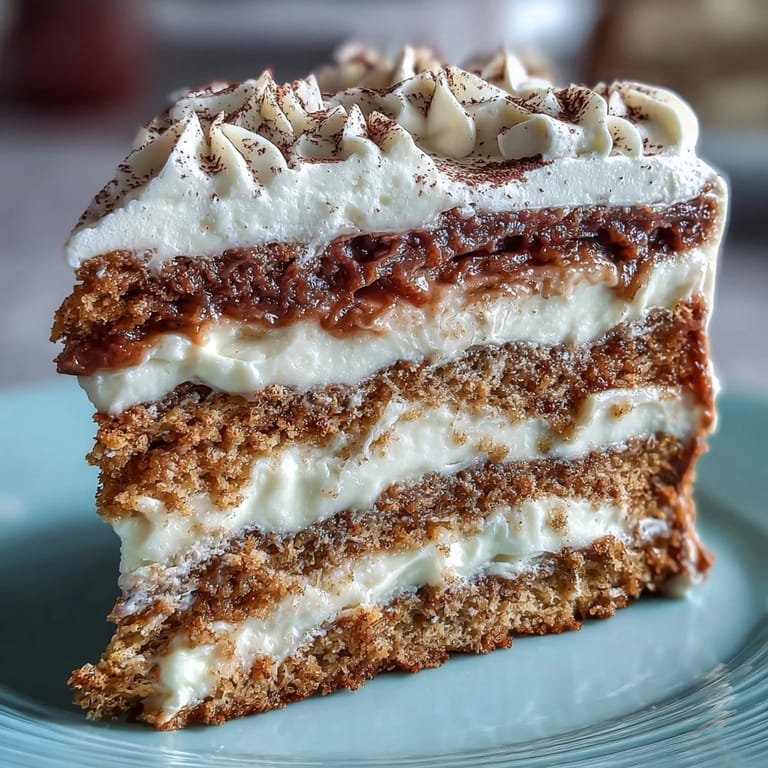
- Once the cake is completely cool, slice it horizontally into two or three layers using a serrated knife with a gentle sawing motion, then spread the hojicha cream between layers and over the top. Chill for at least 30 minutes before serving so the cream sets and the slices cut cleanly.
 Save
Save There's a moment after the first slice is served when you realize you've created something that tastes like both comfort and sophistication at the same time, and that's when you understand why people return to this cake again and again. It became the dessert I reach for when I want to impress without exhaustion, when I want to feel connected to a place I've visited, and when I want to remind myself that simplicity done with care is its own kind of magic.
The Secret of Sponge Cake
A genoise sponge lives or dies by how you handle the eggs, and this is something I learned through several slightly-too-dense experiments. The warming step isn't fancy or complicated—it's simply that warm eggs whip more easily because the proteins unwind more readily. I've noticed that on humid days, the batter seems to hold even more volume, and on very dry days, it whips a tiny bit faster; the air loves moisture in a strange way that took me years to really understand.
Working with Hojicha Powder
Hojicha powder can be tricky if you don't know its personality—it clumps easily, it's finer than flour, and it absorbs liquid differently depending on humidity and storage. I learned to always sift it twice: once with the flour before folding, and once more when making the cream. The difference between sifting once and twice is genuinely noticeable, and it's one of those small details that separates a beautiful cake from one that feels slightly grainy on the tongue.
Timing and Storage Wisdom
This cake is patient with you—it actually improves after sitting overnight because the hojicha flavor continues to deepen and the crumb settles into a more tender state. I've found that storing it covered in the fridge for up to three days keeps it fresh and moist, while the cream stays stable and doesn't separate. One more thing: if you're feeling adventurous, brushing each layer lightly with cooled hojicha tea before adding the cream creates an incredible depth that makes people ask what you did differently.
- Make this cake the day before your event for the best flavor and the cleanest slices.
- Keep it covered in the fridge and bring it to room temperature for 20 minutes before serving if you prefer it less cold.
- If the hojicha powder tastes a bit stale or flat, you can gently toast it in a dry pan for a minute to revive its aromatics.
 Save
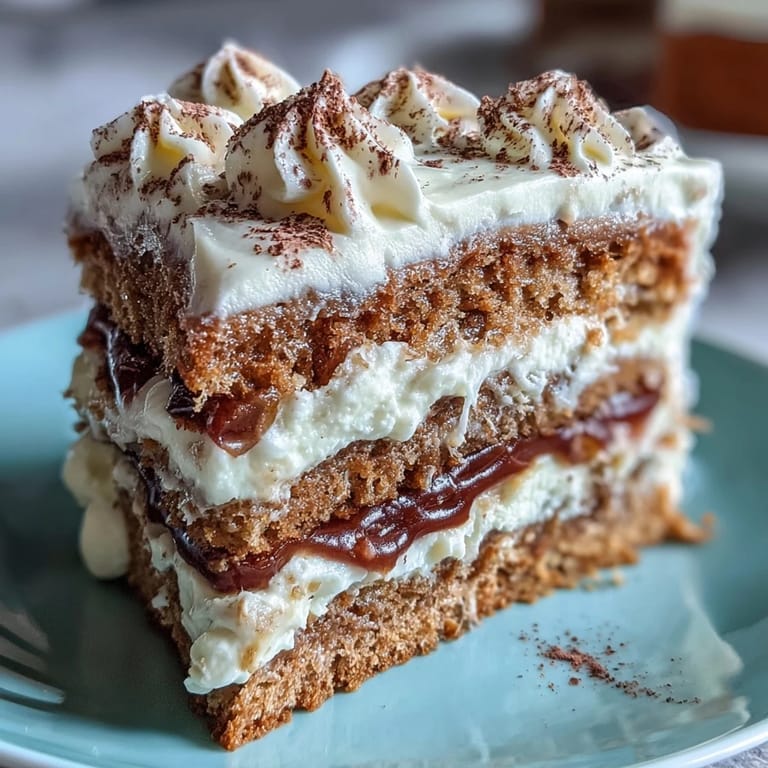
Save This cake teaches you that elegance doesn't require complexity, just respect for your ingredients and a willingness to slow down. Every time I make it, I'm reminded that the most memorable desserts are the ones that taste like someone genuinely cared about how they'd be experienced.
Recipe FAQ
- → What makes hojicha different from other Japanese teas?
Hojicha is roasted green tea leaves, creating a distinctive reddish-brown brew with lower caffeine and gentle, nutty notes. The roasting process eliminates bitterness, resulting in smooth, caramel-like flavors perfect for baking.
- → Can I substitute hojicha powder with matcha?
Matcha will work but creates a more vibrant green color and grassier flavor profile. Hojicha's roasted, smoky notes are unique to this tea. If substituting, use slightly less matcha as it's more potent in flavor.
- → Why is the genoise method used instead of butter cake?
Genoise relies on whipped eggs for lift rather than chemical leavening or creamed butter, creating exceptionally light, airy texture. This delicate structure perfectly complements the subtle hojicha flavor without overwhelming it.
- → How should I store the finished cake?
Refrigerate in an airtight container for up to 3 days. The cream filling requires cold storage. Bring to room temperature 15-20 minutes before serving for optimal texture and flavor.
- → What can I use if I don't have cake flour?
Substitute all-purpose flour by removing 2 tablespoons per cup and replacing with cornstarch. Sift thoroughly. The lower protein content ensures tender crumb essential for this delicate sponge.
- → Why warm the eggs and sugar before whipping?
Gentle heating dissolves sugar completely and creates warm foam that achieves greater volume when whipped. This crucial step produces the light, airy texture characteristic of genoise sponge.