 Save
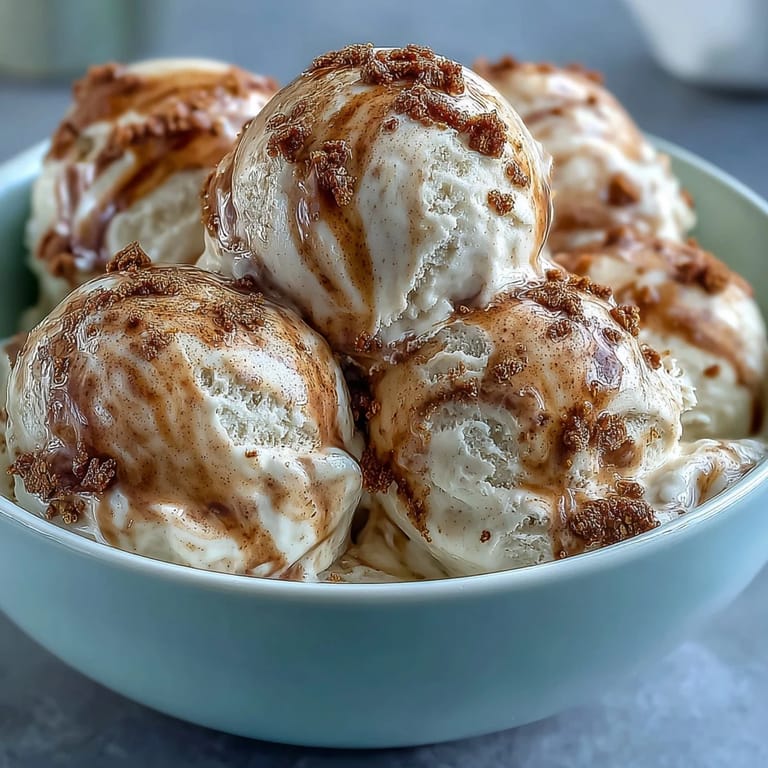
Save There's something about hojicha that caught me off guard the first time I smelled it brewing—that deep, toasty aroma that's almost smoky but somehow sweet, nothing like the grassy green tea I expected. I was at a small tea shop in Tokyo, watching the owner pour hot water over roasted leaves, and I thought, this has to become ice cream. Years later, after figuring out the right steeping time and how gently to fold the flavors into custard, I finally nailed it: a scoop that tastes like autumn captured in a bowl, with that luxurious cream cutting through the tea's earthy complexity.
I made this for my partner on a rainy Sunday when we were both craving something that felt special but not fussy, and watching them take that first spoonful—the way their eyes got this little surprised softness—that's when I knew it was worth all the tempering and waiting. We ate it straight from the freezer container at the kitchen table while rain tapped on the windows, and somehow it felt like the most luxurious lazy afternoon.
Ingredients
- Heavy cream (2 cups): This is where the richness lives—don't skimp on quality here, as it's the base that makes every spoonful silky.
- Whole milk (1 cup): Balances the cream so the texture stays elegant and not too dense or heavy on the palate.
- Hojicha loose leaf tea (3 tablespoons): Seek out quality roasted tea if you can; the difference between mediocre and exceptional hojicha is massive, and it's the star ingredient.
- Egg yolks (4 large): These create that custard structure that makes ice cream feel proper and indulgent rather than icy.
- Granulated sugar (2/3 cup): Sweet enough to balance the tea's earthiness without overpowering it.
- Fine sea salt (pinch): A tiny amount lifts the hojicha flavor and adds dimension you won't quite be able to name.
Tired of Takeout? 🥡
Get 10 meals you can make faster than delivery arrives. Seriously.
One email. No spam. Unsubscribe anytime.
Instructions
- Heat your cream and milk:
- Pour both into a saucepan and set it over medium heat, watching until little wisps of steam rise from the surface—you want it hot and ready to extract flavor, but boiling will cook your cream unevenly. This usually takes about 5 to 7 minutes depending on your stove.
- Steep the hojicha:
- Add your tea leaves, reduce the heat to low, cover the pan, and let it sit undisturbed for 10 minutes while the kitchen fills with that incredible nutty aroma. This is the moment to take a breath—you're building flavor.
- Strain with intention:
- Pour the mixture through a fine sieve set over a bowl, then gently press the spent leaves against the sieve to coax out every last bit of flavor without crushing them into bitterness. Return the silky hojicha-infused mixture to your saucepan and set aside.
- Whisk your yolks:
- In a separate bowl, whisk together egg yolks, sugar, and salt until the mixture turns pale and thick enough that the whisk leaves ribbons across the surface—this takes about 2 to 3 minutes and means your eggs are properly emulsified.
- Temper slowly:
- This is the part that prevents scrambled custard: pour about 1 cup of the warm hojicha mixture into your yolks very slowly while whisking constantly, so the heat gradually brings the eggs up to temperature instead of shocking them. Once that's smooth, pour the whole yolk mixture back into the saucepan with the remaining hojicha cream.
- Cook your custard:
- Set the heat to low and stir constantly with a wooden spoon, scraping the corners and bottom of the pan, until the mixture coats the back of the spoon and a finger dragged across it leaves a clear line—this happens around 170 to 175°F if you're using a thermometer. Don't rush this; it usually takes about 5 to 7 minutes and the patience pays off in texture.
- Strain and chill:
- Pour the hot custard through a fine sieve into a clean bowl to catch any cooked egg bits, let it cool to room temperature, then cover and refrigerate for at least 4 hours or overnight so the flavors settle and deepen. Cold custard also churns more smoothly and freezes to the right consistency.
- Churn and freeze:
- Follow your ice cream maker's instructions—most take about 20 to 30 minutes—then transfer to an airtight container and freeze for at least 2 hours before scooping. The ice cream will continue to firm up in the freezer and develop an even creamier texture.
 Save
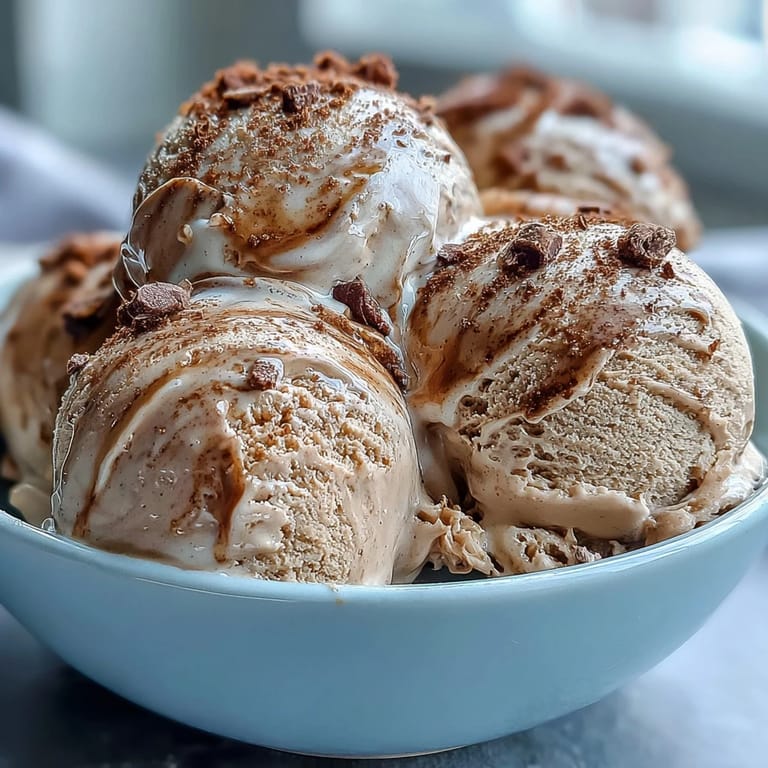
Save A friend visited from out of town and I served this alongside some fresh strawberries and a piece of mochi, and she got this look like she was tasting something she didn't know existed until that moment. That's when I realized hojicha ice cream isn't just a dessert—it's a conversation starter, a small way of saying I thought about your experience when I made this.
The Story Behind Hojicha
Hojicha is green tea leaves that have been roasted over charcoal, transforming their grassy nature into something deeper and almost caramel-like—it's the kind of alchemy that makes you understand why Japanese tea culture is taken so seriously. When I learned that roasting reduces caffeine content while intensifying flavor, I understood why some people drink hojicha in the evening without losing sleep, and why it pairs so beautifully with cream, which softens its edges and makes it feel luxurious rather than austere.
Custard Technique Matters
The difference between mediocre ice cream and transcendent ice cream often comes down to custard: the process of slowly heating egg yolks with sugar until they're thick enough to coat a spoon, then tempering them with hot cream. It sounds fussy, but it's actually a protection mechanism—you're cooking the eggs safely while creating an emulsion that prevents ice crystals and gives you that silky mouthfeel that separates restaurant-quality ice cream from the grainy stuff. I used to skip this step and wonder why my ice cream felt icy; now I never will again.
Serving and Pairing Ideas
Hojicha ice cream is elegant enough to stand alone, but it also plays beautifully with other flavors if you want to build something more. Fresh fruit brightens it, mochi adds chew and playfulness, and a tiny drizzle of sweetened condensed milk ties the whole Japanese aesthetic together. A sprinkle of toasted sesame seeds adds a subtle nuttiness that echoes the hojicha itself, and honestly, that small touch is what separates good from unforgettable.
- Pair with fresh berries or stone fruit to add brightness without competing with the tea's earthiness.
- Serve a small scoop alongside mochi or after a light meal so it feels like a moment rather than a burden.
- Toast your own sesame seeds just before serving if you have time—even 2 minutes in a dry pan changes their flavor completely.
 Save
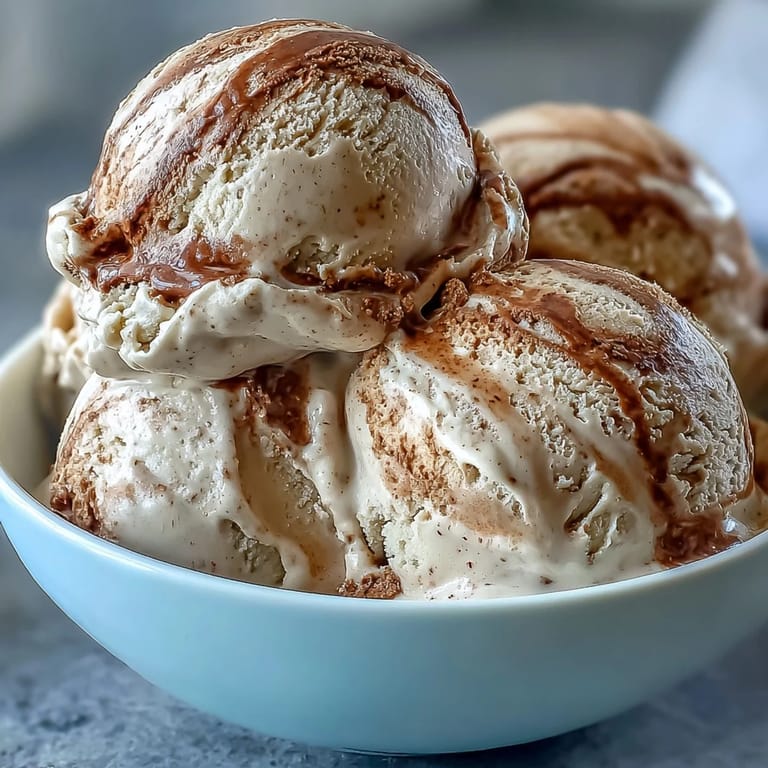
Save This ice cream taught me that dessert doesn't need to be complicated to be memorable—it just needs to be made with intention and served with a little care. Once you taste hojicha's toasted sweetness captured in cold cream, it becomes the kind of recipe you'll want to make again and again.
Recipe FAQ
- → What makes hojicha different from regular green tea?
Hojicha is roasted green tea that develops a nutty, caramel-like flavor profile with lower caffeine content. The roasting process gives it a reddish-brown color and distinct toasty notes that create a more sophisticated, less grassy taste than traditional green tea varieties.
- → Can I make this without an ice cream maker?
While an ice cream maker creates the smoothest texture, you can freeze the custard in a shallow container, whisking vigorously every 30 minutes for the first 3-4 hours to break up ice crystals. The texture will be slightly less creamy but still enjoyable.
- → How long does the infusion need to steep?
Steep the hojicha in hot dairy for 10 minutes covered on low heat. This duration extracts maximum flavor without becoming bitter. Press the leaves through the sieve to capture all the aromatic oils and essence.
- → What's the best way to store leftovers?
Keep in an airtight freezer container placed in the coldest part of your freezer. Press parchment paper directly on the surface before sealing to prevent ice crystal formation. Best enjoyed within 2-3 weeks for optimal texture.
- → Can I substitute other teas?
You could experiment with other roasted teas like genmaicha or Chinese roasted oolong, though the flavor profile will shift. Regular green tea would create a more grassy, vegetative taste rather than the nutty, caramel notes unique to hojicha.
- → Why is the custard strained twice?
The first straining removes the tea leaves after infusion. The second straining after cooking removes any bits of cooked egg, ensuring an impeccably smooth final texture. This extra step is crucial for achieving restaurant-quality creaminess.