 Save
Save My first encounter with hojicha panna cotta happened on a quiet afternoon when a Japanese friend brought a small glass of it to my kitchen, still cold from her refrigerator. The moment I tasted it, something clicked—the creamy sweetness melted instantly on my tongue, followed by this gentle, toasted warmth that lingered like a secret. She explained it was actually simple to make, which felt impossible given how sophisticated it tasted. That evening, I ordered hojicha tea online and decided to attempt my own version. Now, whenever I need a dessert that feels both effortless and impressive, this is what I reach for.
I made this for a dinner party last spring when I wanted something light but luxurious after a heavy meal. My neighbor, who typically avoids desserts, came back for seconds and spent ten minutes trying to describe the flavor to her husband—she kept saying it tasted like autumn even though it was May. That's when I realized this dessert does something most sweet things don't: it triggers a kind of sensory memory in people, something warm and contemplative beneath all that silky cream.
Ingredients
- Heavy cream (1 1/2 cups): This is your backbone—use the best quality you can find because there's nowhere for it to hide, and the richness makes all the difference between good and unforgettable.
- Whole milk (1/2 cup): This lightens the texture just enough so the panna cotta isn't heavy, balancing the cream without watering it down.
- Granulated sugar (1/4 cup): Keep it simple and white; it lets the hojicha flavor shine without competing.
- Hojicha loose leaf tea (2 tablespoons): Loose leaf is always superior to bags for this—you'll get more surface area and fuller flavor, and you can see the beautiful roasted leaves as they steep.
- Powdered gelatin (2 teaspoons): Don't skip the blooming step; it's the difference between silky and rubbery, and it only takes five minutes of patience.
- Cold water (2 tablespoons): This is for blooming the gelatin, and cold is non-negotiable—warm water will cause clumping.
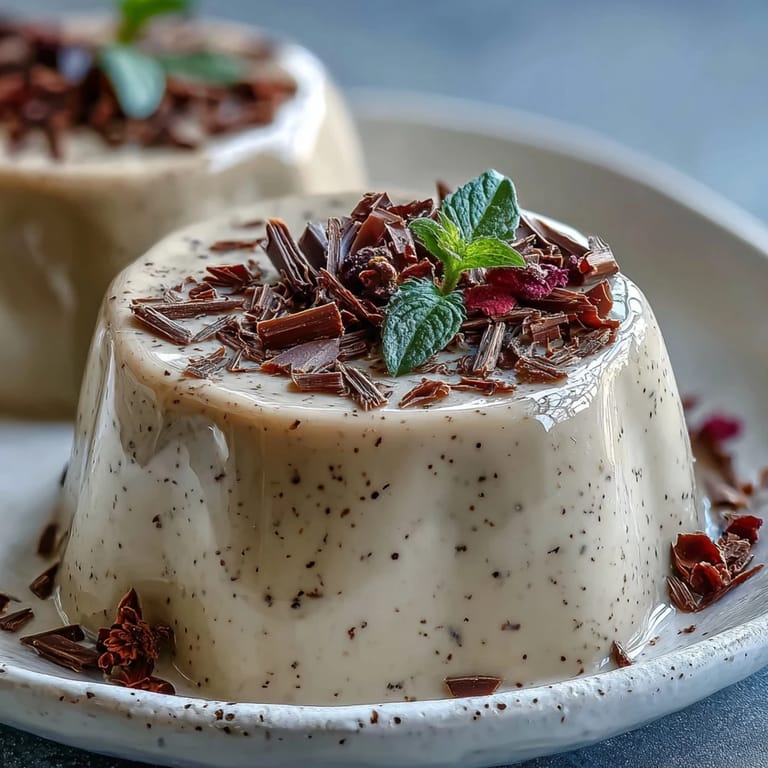
- Whipped cream, shaved chocolate, roasted nuts, or edible flowers (optional garnish): These transform the final dish from simple to presentation-worthy, though honestly, the panna cotta is beautiful enough on its own.
Tired of Takeout? 🥡
Get 10 meals you can make faster than delivery arrives. Seriously.
One email. No spam. Unsubscribe anytime.
Instructions
- Bloom the gelatin:
- Sprinkle the powdered gelatin over cold water in a small bowl and let it sit undisturbed for five minutes. You'll see it absorb the liquid and become spongy—this step ensures it dissolves smoothly later without creating lumps.
- Heat the cream mixture:
- Combine the heavy cream, whole milk, and sugar in a saucepan over medium-low heat, stirring occasionally until it's steaming around the edges. You want it warm and fragrant, but stop before it boils or you'll risk breaking the cream.
- Steep the hojicha:
- Remove the saucepan from heat and add the hojicha loose leaf tea directly to the warm cream. Let it steep for seven to eight minutes while you breathe in that toasted, almost nutty aroma—this is where the magic happens.
- Strain carefully:
- Pour the mixture through a fine-mesh sieve into a clean bowl, using the back of a spoon to gently press the tea leaves and extract every drop of flavor. Don't rush this step or squeeze too hard, or you'll get bitter particles in your silky cream.
- Reheat gently:
- Return the strained mixture to the saucepan and warm it over low heat just until it's steaming again. You're not cooking it further; you're just bringing it back to the right temperature for the gelatin to dissolve.
- Dissolve the gelatin:
- Add the bloomed gelatin to the warm cream and whisk constantly for about one minute until it completely dissolves and disappears. If you see any grainy bits, you can strain the mixture once more through cheesecloth.
- Pour into ramekins:
- Divide the mixture evenly among four ramekins or serving glasses, pouring slowly and steadily. Let them cool to room temperature on the counter—this takes about thirty minutes and prevents condensation from forming on top.
- Chill thoroughly:
- Cover each ramekin with plastic wrap and refrigerate for at least four hours, though overnight is even better. The panna cotta will set into that perfect silky texture as it chills.
- Serve with style:
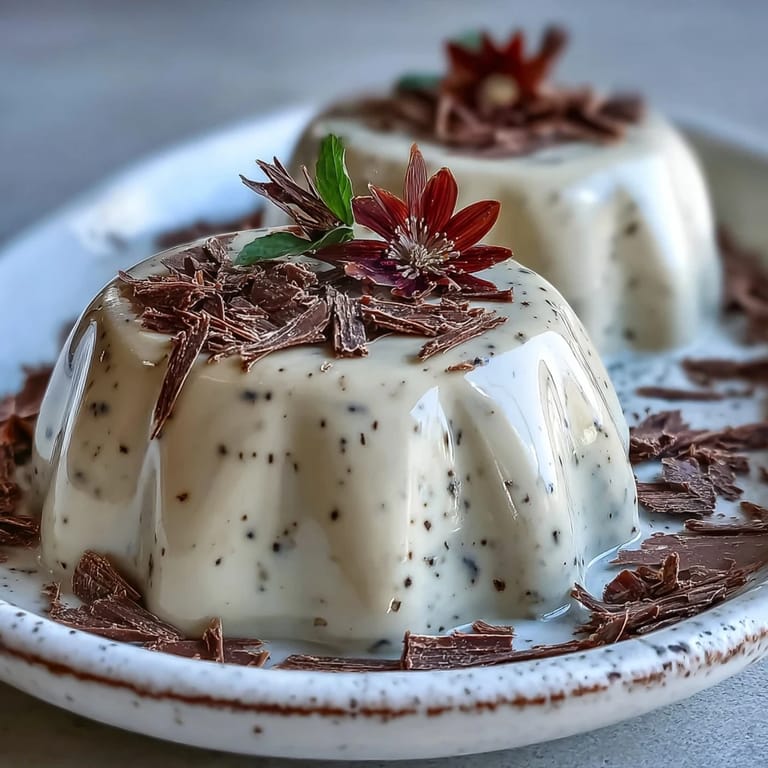
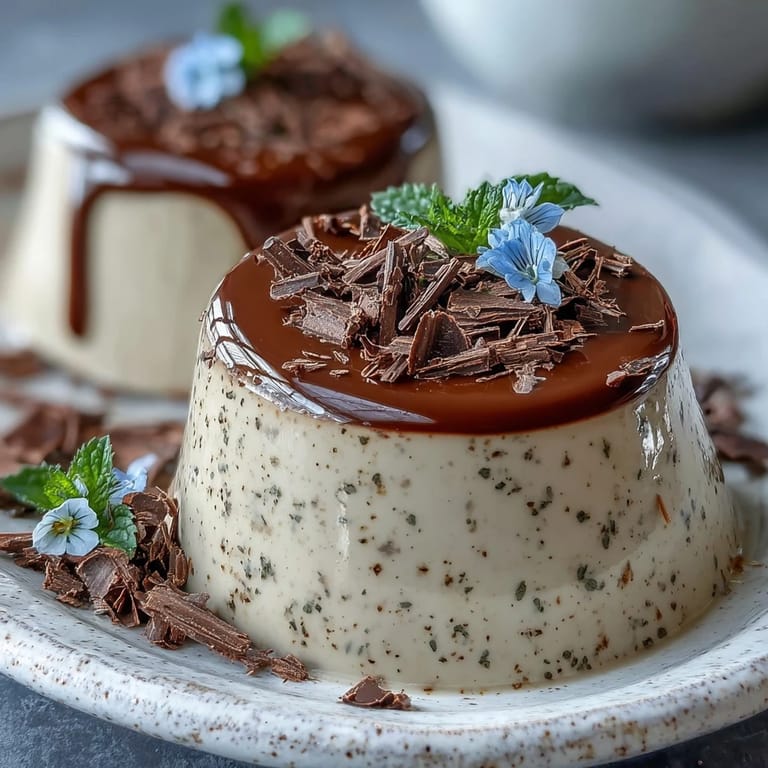
- You can run a thin knife around the edges and invert onto plates for a dramatic presentation, or serve directly in the glasses for a more casual approach. Either way, garnish with whipped cream, shaved chocolate, or edible flowers if you're feeling fancy.
 Save
Save There's something almost meditative about the moment you pull these from the refrigerator and see them set perfectly—that slight jiggle when you move the ramekin, the way the light passes through the creamy surface. My daughter once described eating it as "tasting what calm feels like," and I've never heard anyone describe food more accurately.
The Story Behind Hojicha
Hojicha isn't like other green teas—it's roasted at high temperatures until the leaves turn a deep brown, which mellows the grassy notes and creates this warm, almost coffee-like flavor that's naturally lower in caffeine. When I first started working with it, I was struck by how different it tasted from delicate, grassy teas, and how it somehow felt more accessible and comforting. Pairing it with the Italian silkiness of panna cotta created something that felt like a conversation between two different culinary traditions, each enhancing the other.
Texture Matters
The secret to perfect panna cotta is understanding that texture lives in the details—too much gelatin and it becomes rubbery and bounces off your spoon, too little and it never sets properly and slides around on the plate. I've made this enough times now to know that two teaspoons is the exact sweet spot for four servings, and measuring by weight rather than volume (about seven grams) removes all the guesswork. The first time I got it right, I actually tasted the difference immediately—that luxurious, almost liquid texture that coats your mouth without feeling heavy.
Serving and Pairing
This dessert is elegant enough for a dinner party but simple enough for a quiet Tuesday night when you want something special just for yourself. It pairs beautifully with cold-brewed hojicha if you want to extend the flavor experience, or with something completely opposite like a bright dessert wine or even champagne if you prefer contrast. The garnishes are entirely optional—I've served it plain to people who were just as delighted as when I topped it with shaved dark chocolate and candied citrus peel.
- Make these a day or two ahead and store them covered in the refrigerator so you can relax when guests arrive.
- If you're unmolding them onto plates, dip the ramekin briefly in warm water to help release the panna cotta without damaging it.
- Keep a few edible flowers or nuts on hand in case you want to elevate the presentation at the last moment without any extra stress.
 Save
Save This hojicha panna cotta has become my go-to dessert when I want to feel like I've created something refined without spending hours in the kitchen. There's something deeply satisfying about a dessert that tastes like it took more effort than it did, and this one delivers that feeling every single time.
Recipe FAQ
- → What does hojicha taste like?
Hojicha offers distinctive roasted, toasty notes with earthy undertones and subtle sweetness. Unlike traditional green tea, the roasting process reduces bitterness and creates deep caramel-like flavors that pair beautifully with rich cream.
- → Can I make this ahead?
Absolutely. This custard actually improves after chilling overnight. The flavors deepen and meld beautifully, making it an ideal make-ahead dessert for dinner parties or special occasions.
- → How do I unmold properly?
Run a thin knife around the edge of each ramekin to release the vacuum. Dip the bottom briefly in warm water, then invert onto a serving plate. If serving in glasses, skip unmolding entirely for an elegant rustic presentation.
- → Can I substitute gelatin?
Yes, agar-agar works well for vegetarian versions. Use approximately 1 teaspoon powdered agar-agar per cup of liquid. The texture will be slightly firmer than traditional gelatin-set custard but equally delicious.
- → What garnishes work best?
Light whipped cream, white chocolate shavings, toasted almonds, or candied citrus peel complement the roasted tea flavors. Fresh berries add tart contrast, while edible flowers create stunning visual appeal.
- → Why strain the mixture?
Straining removes tea leaves and any undissolved gelatin, ensuring an ultra-smooth, professional texture. Press gently on the leaves while straining to extract maximum flavor before discarding them.