 Save
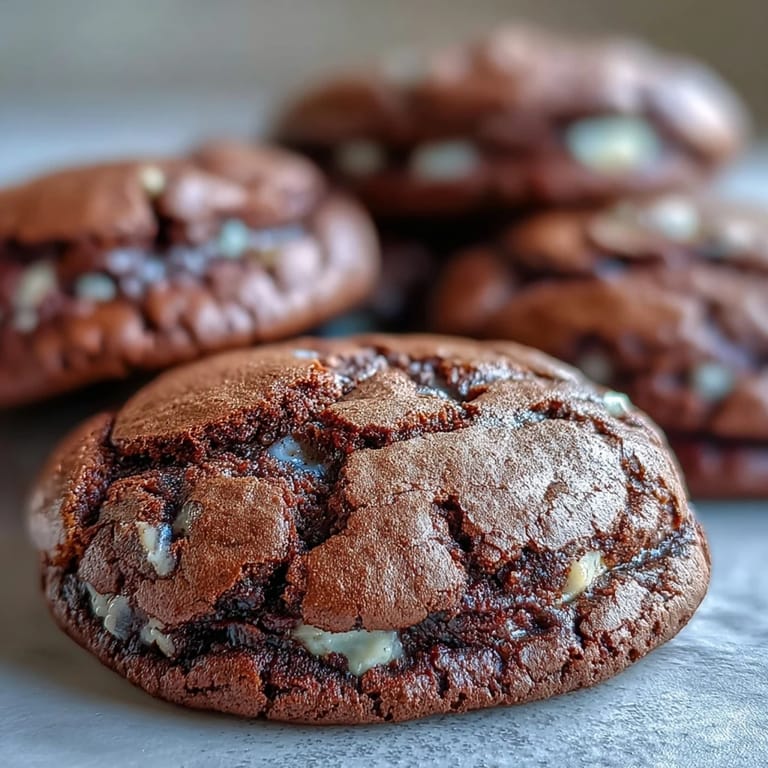
Save Last Tuesday, I was sorting through a tin of specialty teas when a bag of hojicha caught my eye, and I found myself wondering what would happen if I treated it like cocoa powder. The roasted, almost burnt-caramel aroma seemed too good to waste on hot water alone. By evening, my kitchen smelled like a Japanese tea house mixed with a chocolate shop, and these cookies were cooling on the rack. My partner walked in mid-bite and didn't say a word—just grabbed another one.
I made a batch for my book club last month, and someone asked if they were from a café because they didn't believe I'd made them at home. That moment—when people taste something and immediately wonder where it came from—that's when you know you've stumbled onto something worth repeating.
Ingredients
- All-purpose flour: 120 g is the base that keeps these cookies tender rather than cake-like, and measuring by weight instead of cups prevents the dense mistakes I used to make.
- Unsweetened cocoa powder: 20 g adds subtle chocolate depth without overpowering the hojicha—think of it as a background vocalist, not the lead.
- Hojicha powder: 12 g is where the magic lives; this roasted green tea powder tastes nutty and caramel-forward, nothing like the grassy notes of regular matcha.
- Baking powder: 1/2 tsp gives just enough lift so the cookies spread into soft rounds instead of staying thick and doughy.
- Fine sea salt: 1/2 tsp balances sweetness and brings out the roasted character of the hojicha.
- Unsalted butter: 115 g melted and cooled slightly keeps things tender; cooled butter prevents the egg from cooking prematurely.
- Light brown sugar: 120 g adds moisture and a molasses undertone that echoes the hojicha's toasted flavor.
- Granulated sugar: 50 g provides structure and helps edges set properly during baking.
- Egg: One large egg at room temperature binds everything and creates that glossy dough texture you want before baking.
- Vanilla extract: 1 tsp rounds out flavors without making the cookies taste like vanilla dessert—it's just a supporting note.
- White chocolate: 100 g chopped or in chips; the creamy sweetness plays beautifully against the earthy tea and cocoa layers.
Tired of Takeout? 🥡
Get 10 meals you can make faster than delivery arrives. Seriously.
One email. No spam. Unsubscribe anytime.
Instructions
- Set your stage:
- Preheat your oven to 175°C (350°F) and line two baking sheets with parchment paper while you're thinking about it—this takes two seconds now but saves you from scrambling later.
- Build the dry team:
- Whisk together flour, cocoa powder, hojicha powder, baking powder, and salt in a medium bowl until everything looks evenly distributed with no powder clumps. This step matters because hojicha powder can clump if it gets damp, and whisking breaks up any hiding spots.
- Cream the base:
- In a large bowl, mix melted butter with both sugars until the mixture looks grainy and combined, like wet sand. You're not looking for fluffiness here since the butter is already melted—just thorough mixing.
- Add the binder:
- Beat in the egg and vanilla extract until the dough looks smooth and glossy with a slight sheen, which should take about a minute of stirring. This is where the dough transforms from buttery and grainy to silky and ready to accept the dry ingredients.
- Bring them together:
- Gradually stir the dry ingredients into the wet mixture, folding and stirring just until you don't see streaks of flour anymore—the moment it looks combined, stop. Overworking at this stage leads to tough cookies that taste more like cake, which defeats the whole soft-and-chewy project.
- Fold in the treasure:
- Gently fold in the white chocolate pieces using a spatula or wooden spoon, making sure they're distributed so you'll hit chocolate in almost every bite.
- Shape and space:
- Scoop tablespoon-sized portions of dough onto prepared baking sheets, leaving about 5 cm (2 inches) between each cookie because they will spread and you want them to stay individual. A cookie scoop makes this uniform and fast, but a regular tablespoon works just as well.
- Bake with purpose:
- Bake for 10 to 12 minutes, watching for the moment when the edges look set and dry but the centers still look slightly underbaked—this is the golden window. If they look fully baked when you pull them out, they'll harden as they cool, and you'll lose that chewy texture.
- Cool with patience:
- Leave the cookies on the pan for exactly 5 minutes, which lets them firm up enough to move without breaking, then transfer them to a wire rack to cool completely. The pan cooling is crucial because if you move them too early, they fall apart, and if you wait too long, they stick.
 Save
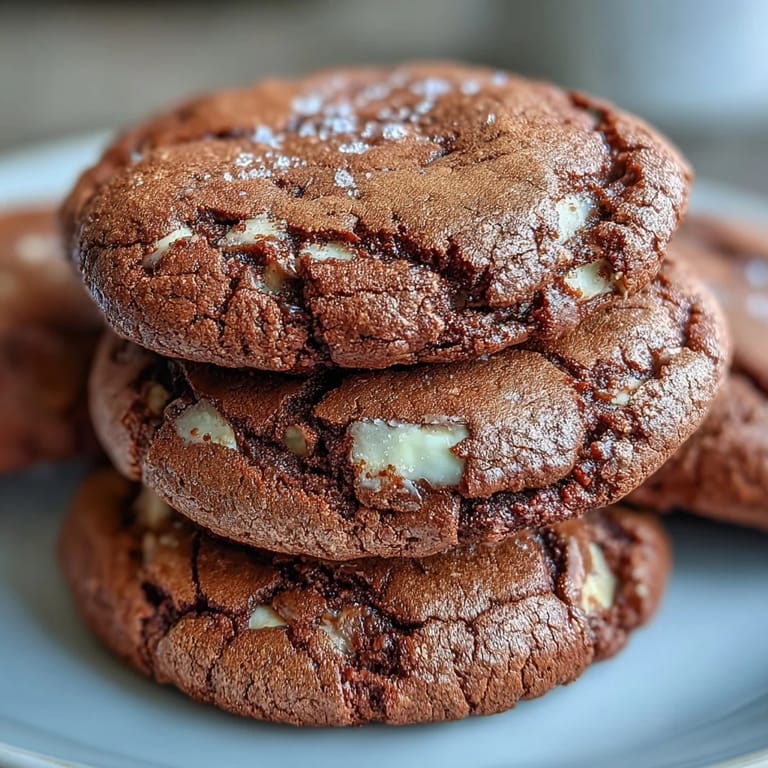
Save My neighbor brought over hojicha powder from Tokyo last summer, and instead of letting it sit in the cabinet, I turned it into something we could actually enjoy together. These cookies became the reason she started asking me to bake again.
The Hojicha Question
Hojicha tastes like tea but roasted—deeper and less vegetal than you'd expect, almost nutty with whispers of caramel and toasted grain. If you can't find hojicha powder at your local grocery store, specialty tea shops often carry it, and online ordering works too. The flavor is worth seeking out because matcha or regular green tea powder will give you a completely different (and grassy) result.
Chocolate Customization
White chocolate is the original plan here because its creamy sweetness complements the roasted tea flavor beautifully, but you're not locked in. Dark chocolate creates a more intense, bitter contrast that some people prefer, while milk chocolate sits somewhere gentle in between. I've made them all three ways, and each version tastes like a slightly different version of the same good idea.
Storage and Scaling
These cookies stay soft in an airtight container for about four days at room temperature, or you can freeze them for up to two months if you want to have them on hand for unexpected moments. The recipe makes 16 cookies, which feels like the right amount for a small gathering or a week of sneaky afternoon snacking.
- Double the batch if you're baking for a crowd—these multiply easily and the oven time stays the same for full sheets.
- If your kitchen runs cold, let the dough rest for 10 minutes before scooping so the butter stays workable.
- Freshly baked cookies taste best within the first few hours, but they're still excellent the next day if you store them correctly.
 Save
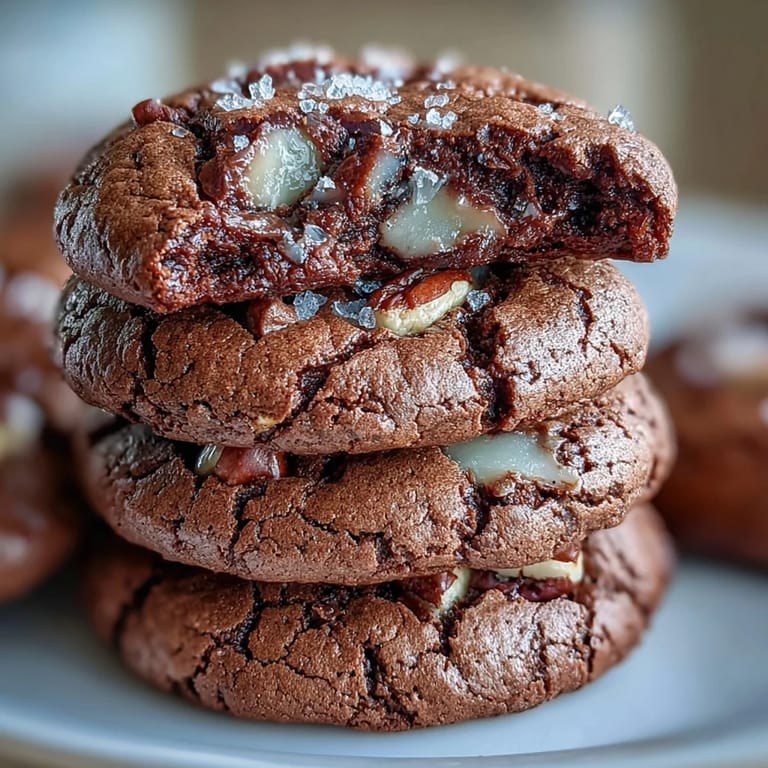
Save These cookies prove that fusion doesn't have to be complicated—sometimes it's just about listening to what two ingredients want to become together. Make them once, and you'll understand why I reach for that hojicha tin whenever I want to impress someone, including myself.
Recipe FAQ
- → What does hojicha taste like in cookies?
Hojicha brings a nutty, roasted flavor with subtle earthy notes that pair beautifully with white chocolate. Unlike matcha, hojicha has a deeper, less grassy taste that complements the brownie-like richness of these cookies.
- → Can I use milk or dark chocolate instead?
Absolutely. While white chocolate highlights hojicha's subtle notes, milk or dark chocolate work wonderfully. Dark chocolate creates a more intense, sophisticated flavor profile, while milk chocolate adds extra sweetness.
- → Why should cookies look slightly underbaked?
Removing cookies when centers look slightly underbaked ensures they stay soft and chewy. They continue cooking on the hot baking sheet, setting up perfectly without becoming hard or dry. This technique guarantees that fudgy brownie texture.
- → How do I store these cookies?
Keep in an airtight container at room temperature for up to 5 days. For longer storage, freeze baked cookies for 2 months or freeze dough scoops to bake fresh whenever you want warm treats.
- → Can I make the dough ahead of time?
Yes, refrigerate dough for up to 3 days before baking. Chilled dough may need 1-2 extra minutes in the oven. You can also scoop and freeze dough portions for convenient fresh-baked cookies anytime.