 Save
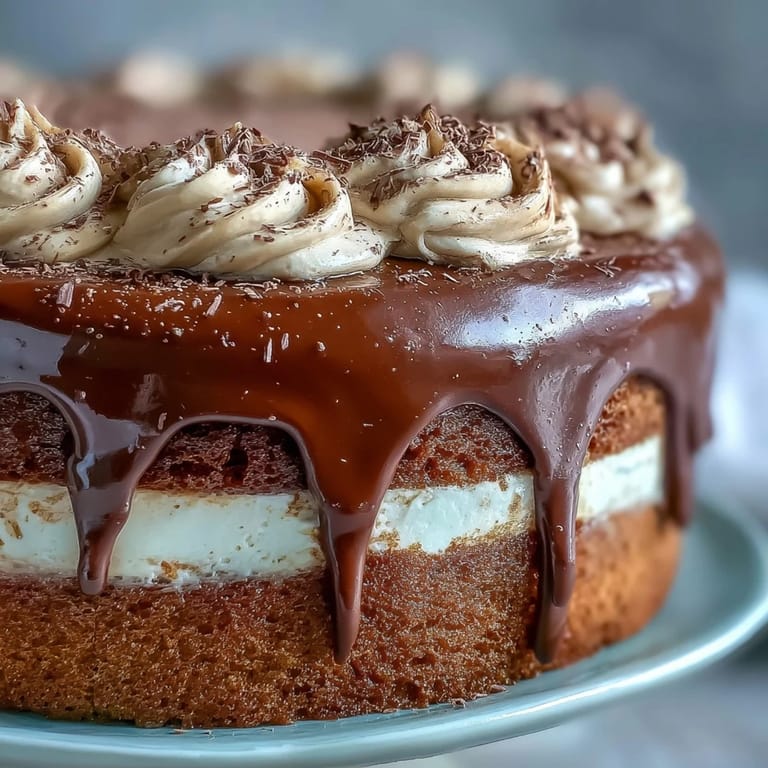
Save A friend handed me a small package of hojicha tea at a farmers market, insisting I'd understand why she loved it once I tasted it. That evening, the nutty warmth of roasted green tea filled my kitchen, and I couldn't resist imagining it transformed into something sweet. This cake became my answer—delicate sponge layers cradling that toasted, almost caramel-like flavor in buttercream, finished with dark chocolate that doesn't fight but rather frames the subtle magic happening underneath.
I made this for my sister's book club, mostly because I wanted an excuse to use the beautiful ceramic cake server she'd given me. Watching everyone pause mid-conversation at that first bite—when the hojicha suddenly blooms on their tongue—reminded me why I love baking for people who actually pay attention to what they're eating.
Ingredients
- Cake flour: Sifting it twice keeps the crumb impossibly light and prevents those dense pockets that ruin the whole moment.
- Eggs and sugar beaten together: Those 5 to 7 minutes of mixing aren't just technique—you're creating the air pockets that make this cake feathery, not heavy.
- Whole milk and melted butter: Room temperature ingredients mean they integrate silently, no lumps or separation drama.
- Hojicha loose leaf tea: Loose leaf matters more than bags here because you're infusing milk, and loose leaves hydrate faster and steeper better.
- Unsalted butter for the cream: Room temperature is non-negotiable; cold butter refuses to fluff up no matter how long you beat it.
- Dark chocolate (60–70% cocoa): This percentage stays creamy when ganache hits it without becoming bitter or seizing up.
- Heavy cream: Full-fat only; light cream won't give you that silky gloss or proper consistency.
Tired of Takeout? 🥡
Get 10 meals you can make faster than delivery arrives. Seriously.
One email. No spam. Unsubscribe anytime.
Instructions
- Prep your pans and preheat:
- Line those 18 cm pans with parchment paper and get your oven to 175°C (350°F) while you gather ingredients. Everything ready before you start mixing keeps you calm and prevents your batter from oxidizing while you hunt for supplies.
- Beat eggs and sugar into clouds:
- High speed for 5 to 7 minutes transforms pale liquid into something thick, almost mousse-like, pale yellow. You'll know it's ready when the mixture falls in ribbons when you lift the beaters.
- Fold in flour with patience:
- Three additions means you're not deflating all that air you just created; fold gently with a rubber spatula, turning the bowl as you go, until no streaks remain.
- Create your batter liaison:
- Whisk milk, melted butter, and vanilla together, then temper it by stirring in spoonfuls of the main batter before folding everything back together. This keeps the wet ingredients from shocking the batter and creating lumps.
- Bake until just set:
- Twenty to 22 minutes at 175°C gives you a golden top and a skewer that comes out clean; don't overbake or the sponge tightens and ages overnight in your fridge.
- Cool strategically:
- Ten minutes in the pan lets the cake set just enough to release cleanly, then finish cooling on a wire rack so steam can escape from all sides.
- Infuse the milk with hojicha:
- Heat milk until tiny bubbles form at the edges, add hojicha, and let it steep for exactly 10 minutes—longer risks bitterness, shorter means you're barely tasting it. Strain through a fine sieve and chill completely.
- Build the buttercream:
- Beat room temperature butter with powdered sugar and salt for 3 to 4 minutes until it's pale and fluffy, then gradually pour in your cooled hojicha milk while the mixer runs, stopping to scrape the bowl as needed until it's smooth and holds soft peaks.
- Make silky ganache:
- Pour steaming cream over chopped chocolate and wait 2 minutes—the heat will melt it without you stirring. Then stir gently until it's glossy and pourable, then let it cool to room temperature so it flows like frosting, not pudding.
- Assemble with intention:
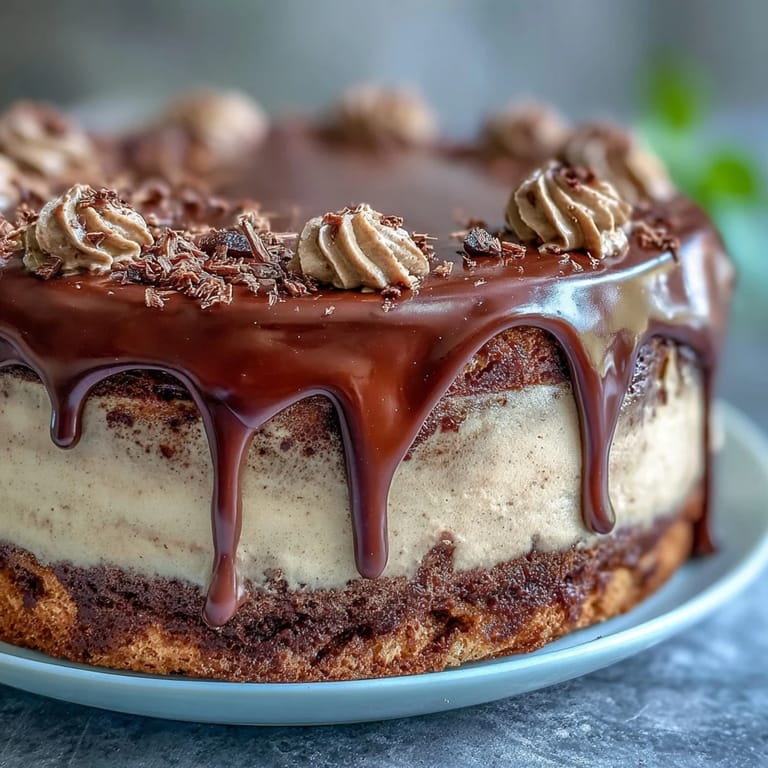
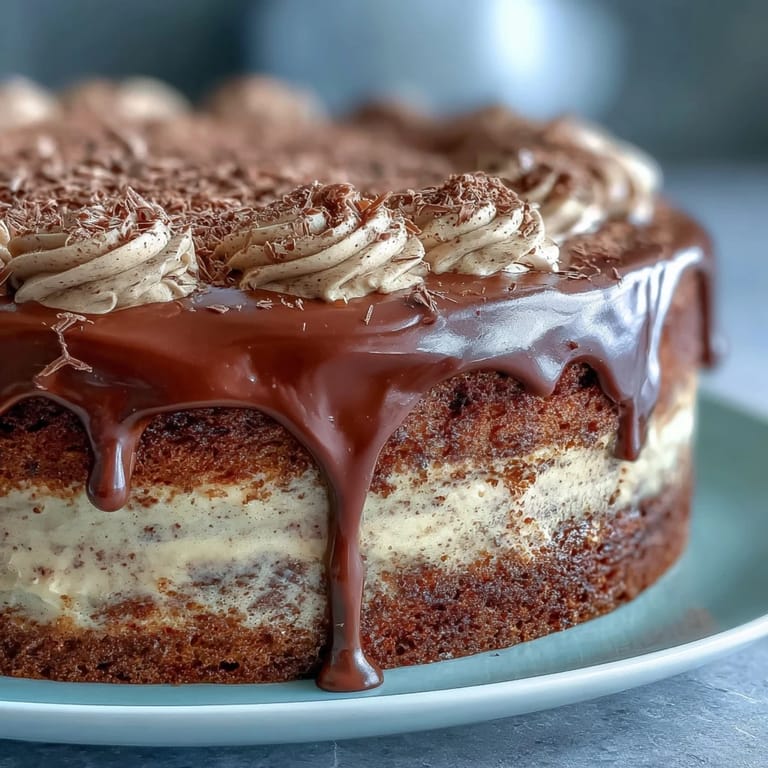
- Layer one cake with half the buttercream, add the second cake, crumb coat with remaining buttercream, then pour ganache slowly from the center and let gravity do the work. Chill for 30 minutes so everything sets and the flavors marry together.
 Save
Save My neighbor came over while I was plating a slice, and she sat at my kitchen island with her tea, completely silent for a minute. When she finally spoke, she said the cake tasted like autumn felt—warm and comforting but not heavy—and honestly, that's when I knew I'd figured out what I was trying to do.
Why Hojicha Deserves Its Own Moment
Hojicha isn't the delicate, vegetal matcha everyone knows; it's roasted green tea that tastes like toasted nuts, caramel, and something almost smoky. When you infuse it into buttercream, it doesn't shout—it whispers, and that restraint is exactly why it pairs so perfectly with dark chocolate instead of fighting it. I learned this by accident after over-steeping a batch and realizing bitterness was the enemy; now I treat it like a secret ingredient that only reveals itself to people who actually slow down and pay attention.
The Sponge Cake Secret
This isn't a heavy butter cake; it's a chiffon-adjacent sponge that relies entirely on beaten eggs for lift. I used to think sponge cakes were boring until I realized they're actually the perfect canvas for subtle flavors because they get out of the way. The crumb stays tender for days, the structure holds buttercream without compressing, and when you slice it, the layers look professionally delicate instead of rustic.
Storage and Serving
This cake actually improves after a day in the fridge because the flavors mellow into each other and the structure sets even firmer. Store it covered at room temperature if you're eating it same day, but refrigerate for longer keeping and easier slicing—the ganache sets beautifully cold and the buttercream firms up just enough to look intentional. Slice with a warm, dry knife and wipe between cuts for clean edges.
- Pair each slice with Japanese green tea, hojicha tea itself, or a delicate oolong to echo the flavors already on the plate.
- Garnish with chocolate shavings or dust the top with extra hojicha powder just before serving for a final visual gesture.
- Make this cake a day ahead if you can—the advance prep means you're calm and the final flavors are even more harmonious.
 Save
Save This cake lives somewhere between a Japanese tea shop and a European patisserie, and I love that it doesn't apologize for either half. Bake it, slice it, and let people experience that quiet moment when familiar flavors combine in an unexpected way.
Recipe FAQ
- → What does hojicha taste like?
Hojicha is roasted Japanese green tea with earthy, nutty, and slightly sweet notes. It's less astringent than regular green tea, with a warm toasty flavor that pairs beautifully with buttercream and chocolate.
- → Can I make this cake in advance?
Yes, you can bake the sponge layers up to 2 days ahead and wrap tightly in plastic. The buttercream and ganache can be prepared 1 day in advance and stored refrigerated. Assemble the cake within 24 hours of serving for optimal texture.
- → What can I substitute for cake flour?
Mix 120 g all-purpose flour with 2 tablespoons cornstarch, then sift twice. This combination mimics the lower protein content of cake flour, yielding a tender crumb.
- → How do I know when the sponge is done?
Insert a skewer or toothpick into the center—it should come out clean or with just a few moist crumbs. The edges should pull slightly from the pan sides, and the top should spring back when lightly touched.
- → Can I use milk chocolate instead of dark?
Milk chocolate will work but creates a sweeter finish. The dark chocolate's bitterness balances the hojicha buttercream's earthiness. If using milk chocolate, consider reducing powdered sugar in the buttercream slightly.
- → Why did my buttercream curdle?
This usually happens if the hojicha milk is too warm or added too quickly. Ensure the infused milk is completely cooled to room temperature. If curdling occurs, continue beating—most buttercreams will emulsify and smooth out with persistent mixing.