 Save
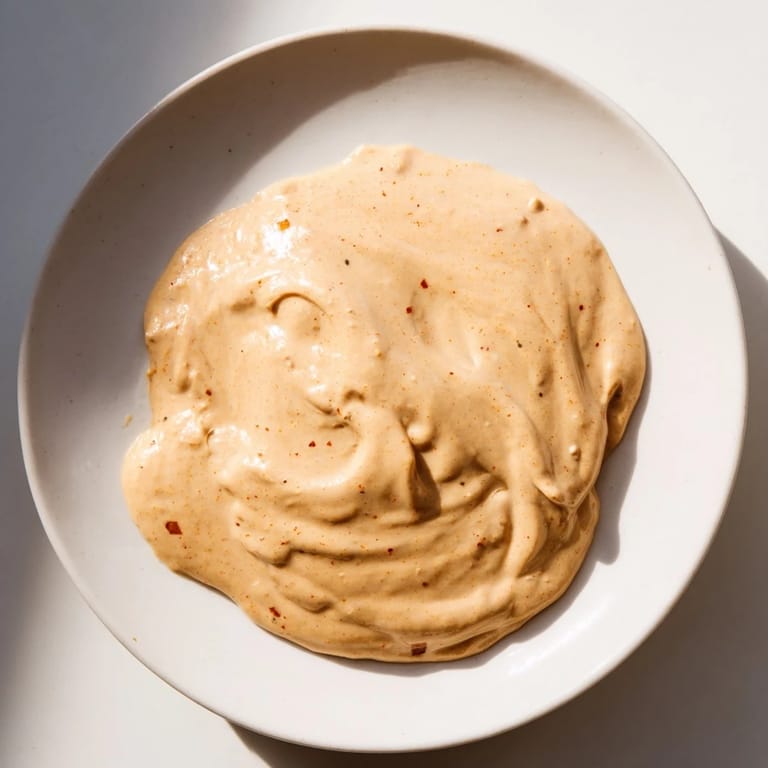
Save I discovered this sauce almost by accident one humid afternoon in Jakarta, watching my neighbor's cook blend spices with the kind of confidence that only comes from making something a thousand times. The aroma that drifted from her kitchen—toasted peanuts meeting coconut cream with a whisper of lime—stopped me mid-step. She noticed my lingering and invited me to taste her satay, insisting the sauce was where all the magic lived. That first spoonful changed how I understood dipping sauces entirely.
Years later, I made this for a dinner party where everyone was convinced I'd ordered it from somewhere special. Watching grown adults close their eyes while eating grilled chicken draped in this sauce reminded me why cooking for others matters so much—it's not about impressing them, it's about feeding a moment.
Ingredients
- Creamy peanut butter: Use unsweetened and unsalted so you control the seasoning; it becomes the silky backbone of everything.
- Coconut milk: Full-fat is non-negotiable here—it carries the flavors and gives the sauce that glossy, restaurant-quality finish.
- Soy sauce: The umami anchor that makes people ask what the secret ingredient is.
- Fresh lime juice: This cuts through the richness and brings everything into balance; bottled won't give you that same brightness.
- Brown sugar: A tiny bit of sweetness rounds out the heat and spice without making it dessert-like.
- Garlic clove: Just one, minced fine, adds aromatic depth without overpowering.
- Ground coriander: The spice that whispers rather than shouts, adding warmth and complexity.
- Ground cumin: This gives the sauce an earthy, slightly toasted quality that feels authentic.
- Chili flakes: Start with a quarter teaspoon and adjust—heat is personal, and this sauce should make you happy, not cry.
- Salt: A pinch to awaken all the other flavors.
- Fish sauce (optional): If you use it, add just a teaspoon at the very end for a savory depth that non-vegetarians will swear by.
- Water: Keep some nearby for thinning—sauces always need an escape route.
Tired of Takeout? 🥡
Get 10 meals you can make faster than delivery arrives. Seriously.
One email. No spam. Unsubscribe anytime.
Instructions
- Marry the base:
- Pour the peanut butter and coconut milk into a small saucepan over medium heat. Whisk constantly until smooth and glossy—this takes about a minute or two, and you'll feel the texture transform under the whisk.
- Build the flavor layers:
- Add your soy sauce, lime juice, brown sugar, minced garlic, coriander, cumin, chili flakes, and salt all at once. Stir well, making sure nothing gets stuck to the bottom; you want every spice distributed evenly.
- Let it simmer gently:
- Bring the mixture to a gentle simmer, stirring every 30 seconds or so. After 3 to 5 minutes, you'll notice the sauce becoming glossy and slightly thickened—this is when you know it's ready.
- Taste and adjust:
- This is your moment to make it yours. Need more tang? Add another squeeze of lime. Want more sweetness? A pinch more sugar. Heat too intense? Stir in some water.
- Achieve the right consistency:
- If it's too thick, whisk in water one tablespoon at a time until it flows off the spoon like a proper dipping sauce. Remember, it thickens slightly as it cools.
- Finish with fish sauce (if using):
- Remove from heat and stir in the fish sauce if you're going that route; heat can make it smell too strong, so always add it off the flame.
- Cool slightly before serving:
- Give it a few minutes to reach that perfect warm temperature—not too hot to taste properly, but warm enough to coat whatever it's about to grace.
 Save
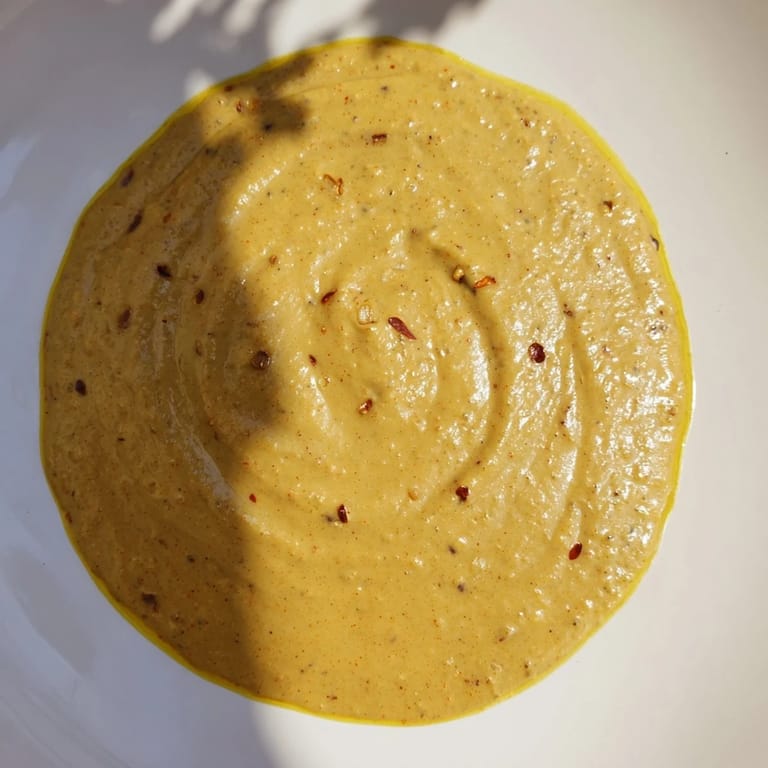
Save I once served this sauce at a casual weeknight dinner with friends, and someone asked if I'd been trained in culinary school. I laughed—the real training came from trial and error in my own kitchen, from burning the garlic once and learning to mince it finer, from using cold coconut milk and watching it seize, from tasting and adjusting until something clicked.
The Soul of Satay Sauce
This isn't just a dipping sauce; it's a flavor philosophy in a bowl. Satay sauce exists in that beautiful space where sweet, savory, spicy, and tangy all play together without any single note dominating. The peanut butter isn't trying to be a health food here—it's pure indulgence, a vehicle for spice and warmth. Coconut milk brings sophistication and richness that makes you feel like you're eating something special, even when you're just dunking grilled chicken or tofu into it at home.
The Flexibility Factor
One of my favorite things about this sauce is how it adapts to what you have on hand. No fish sauce? The vegetarian version stands beautifully on its own. Have some crushed roasted peanuts lying around? Stir them in for texture and extra richness. Want it thinner for drizzling over a salad? Water is your friend. This sauce bends to your needs without breaking, which is the mark of a truly useful recipe.
Serving and Storage
Serve this warm or at room temperature, depending on what you're dipping—cold sauce on warm grilled meat creates a beautiful contrast, but on fresh spring rolls, room temperature feels more natural. If you're making it ahead, keep it in a glass jar in the refrigerator where it'll keep for up to five days, getting slightly thicker as it cools. To serve again, warm it gently in a saucepan with a splash of water, stirring frequently.
- Pair it with chicken satay, beef skewers, grilled tofu, spring rolls, or even roasted vegetables for an unexpected dinner upgrade.
- For a flavor boost, add a teaspoon of fish sauce at the very end if you want that umami depth that makes people pause mid-bite.
- Make a double batch when you're already in the kitchen—it freezes beautifully and becomes a weeknight shortcut you'll thank yourself for.
 Save
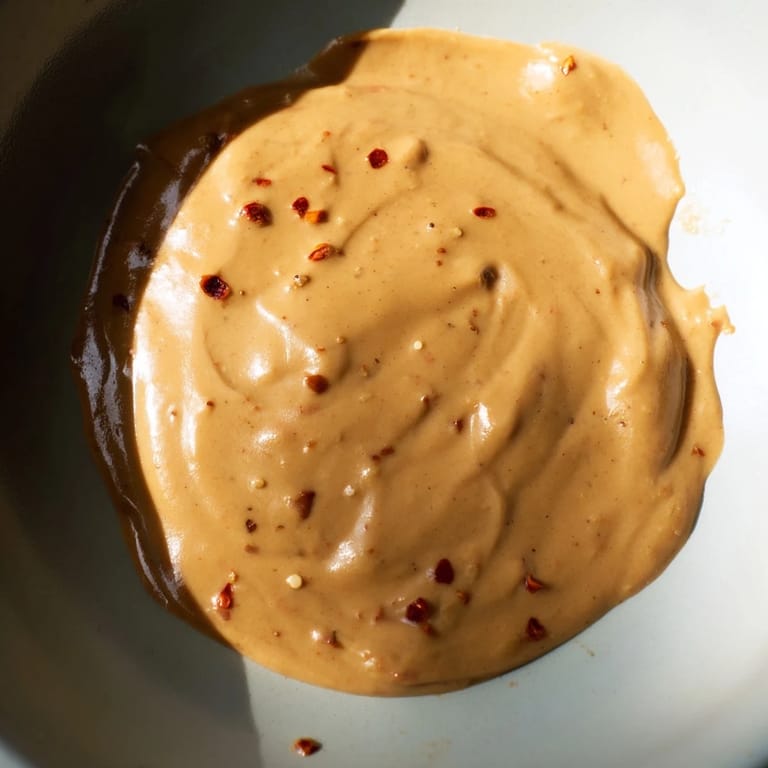
Save This sauce is proof that the simplest recipes, made with attention and a little love, become the ones people remember. It's what sits on the table long after the main course is gone, getting scraped from the bowl.
Recipe FAQ
- → What ingredients give this sauce its creamy texture?
The combination of creamy peanut butter and full-fat coconut milk creates the smooth, rich texture of this sauce.
- → Can I adjust the spiciness of the sauce?
Yes, the amount of chili flakes can be increased or decreased to suit your preferred heat level.
- → Is it possible to make the sauce thinner or thicker?
To thin the sauce, whisk in a small amount of water until the desired consistency is reached. Simmering longer helps thicken it.
- → Can this sauce be stored for later use?
Yes, keep it refrigerated for up to five days and gently rewarm before serving.
- → What alternatives exist for soy sauce in this sauce?
Gluten-free tamari or coconut aminos can be used as substitutes for soy sauce.
- → How can the sauce be enhanced for extra texture?
Adding crushed roasted peanuts at the end provides a chunky texture and additional nutty flavor.