 Save
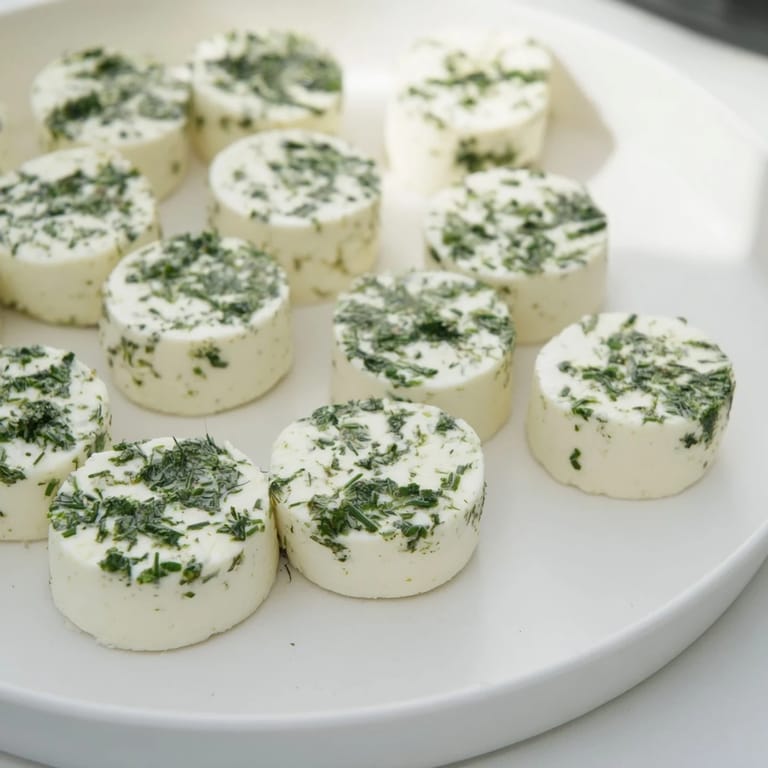
Save I discovered these little gems at a farmer's market on a lazy Saturday morning, where a cheesemaker was arranging her wares on moss-covered boards. Something about the way the fresh goat cheese sat alongside the herbs made me think of a forest floor after rain, and I couldn't resist experimenting. That afternoon, I rolled the first batch and watched my daughter's eyes light up when I told her they were enchanted stones from a magical woodland. Now whenever we need something elegant but effortless, these are what I reach for.
I brought a batch to a dinner party where everyone was skeptical about "fancy appetizers," but by the end of the evening, the platter was bare and someone asked for the recipe written down. The herb coating actually keeps your fingers from getting messy, which is always a win when people are mingling with wine glasses.
Ingredients
- 12 small round fresh goat cheese medallions (about 25–30 g each): These are your foundation, creamy and slightly tangy—look for ones that hold their shape when room temperature, and handle them gently to avoid breaking them apart.
- 1/2 cup fresh parsley, finely chopped: The bulk of your herb coat, bringing brightness and a clean taste that lets the cheese shine without overpowering it.
- 1/2 cup fresh dill, finely chopped: Dill adds an unexpected whisper of flavor that makes people pause and ask what the secret ingredient is.
- 1 tablespoon fresh chives, finely chopped (optional): A subtle onion note that adds complexity if you want the herbs to feel more layered.
- Edible flowers or microgreens, for serving: These aren't just decoration—they complete the woodland story and add a delicate texture that guests remember.
Tired of Takeout? 🥡
Get 10 meals you can make faster than delivery arrives. Seriously.
One email. No spam. Unsubscribe anytime.
Instructions
- Prepare your herb mixture:
- Pour the chopped parsley, dill, and chives into a shallow bowl and toss them together gently so the colors blend into a vibrant green. This is where the magic of the whole thing lives—take a moment to appreciate how fresh they smell.
- Coat each cheese medallion:
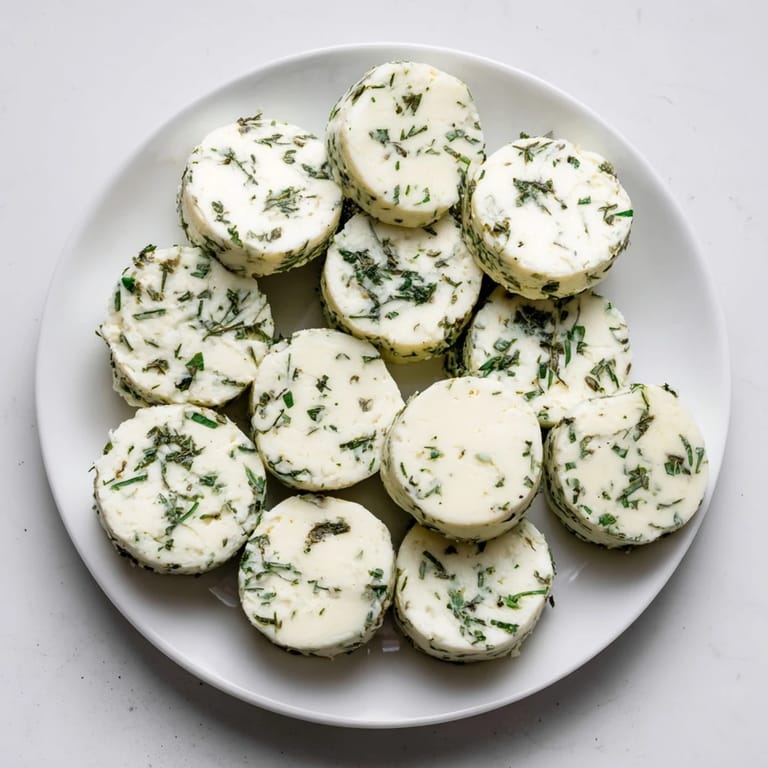
- Hold a goat cheese piece in one hand and with the other, use a small spoon to help roll it through the herb mixture, rotating as you go so all sides get covered evenly. The herbs will stick beautifully to the slightly tacky surface of the cheese without any extra help.
- Arrange your woodland display:
- Nestle each coated medallion onto your serving platter, leaving a little space between them so they don't touch. Scatter the edible flowers or microgreens around them as if you've just discovered a secret corner of the forest.
- Chill or serve:
- You can serve these immediately while the herbs are freshest, or cover them loosely and refrigerate for up to 2 hours if you're getting ahead of yourself. They taste best when they've had a chance to sit for a few minutes so the flavors can get to know each other.
 Save
Save There was a moment when a friend who usually skips appetizers at parties came back for seconds and thirds, and she finally admitted that the combination of creamy and herbaceous just made sense to her. That's when I realized these little bites had become more than just something to serve—they were a conversation starter that somehow always reminded people to slow down and enjoy the moment.
Flavor Variations to Try
Once you've made the basic version a few times, the possibilities open up in delicious ways. A pinch of lemon zest brightens everything and adds a subtle citrus whisper that feels both refined and natural. I've also experimented with adding a tiny bit of garlic powder or even some crushed pistachios mixed into the herb coating for a crunch that surprised people in the best way.
Serving Suggestions and Pairings
These stones shine on a cheese platter where they create visual interest among harder aged cheeses, or arranged on their own as a standalone appetizer before a meal. They pair beautifully with crisp white wines like Sauvignon Blanc, and I've found that serving them alongside crusty bread and raw vegetables gives guests options while keeping the focus on the cheese and herbs. The woodland presentation means they work just as well at casual gatherings as they do at more formal events.
Cheese Substitutions and Make-Aheads
If goat cheese isn't available or you prefer something creamier, cream cheese or baby bocconcini work beautifully in the same way and absorb the herbs just as readily. You can prepare the herb mixture hours in advance and store it in an airtight container, then do the rolling shortly before guests arrive so everything looks fresh and vibrant when they first see it.
- Fresh herbs are non-negotiable here—dried herbs simply won't deliver the same color or flavor impact.
- A gentle hand is your best tool; these cheeses are delicate, and rough handling turns them into crumbles.
- If you're making these for a crowd, do your rolling on parchment paper so cleanup is effortless afterward.
 Save
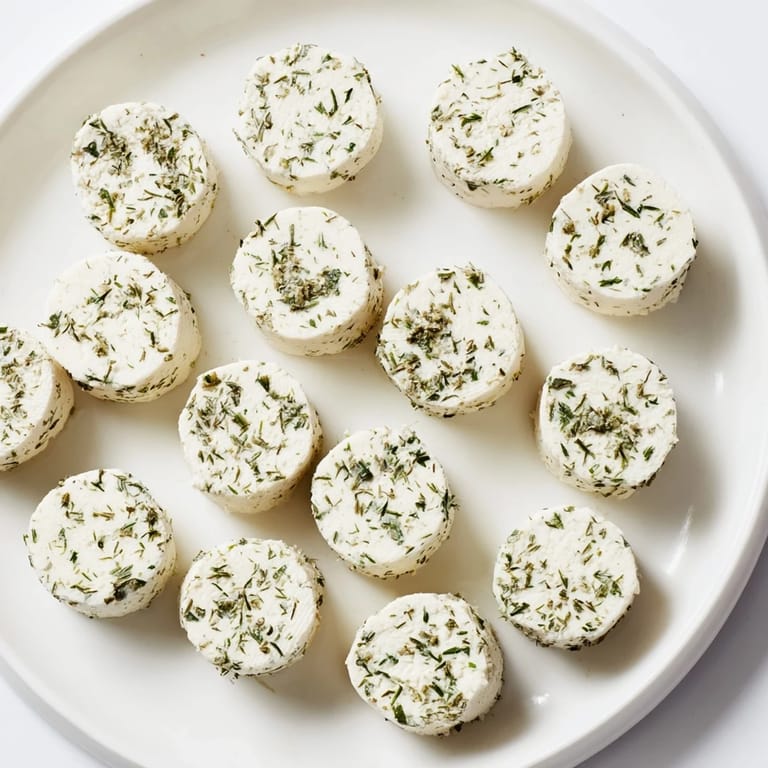
Save These little mossy stones have become my go-to when I want to feel like I've put real thought into feeding people, even though they take barely any time at all. They remind me that the most meaningful dishes are often the simplest ones, made with care and a touch of imagination.
Recipe FAQ
- → Can I substitute the goat cheese with other cheeses?
Yes, cream cheese or baby bocconcini work well as alternatives, providing similar texture and mild flavor.
- → How should the herb coating be prepared?
Finely chop fresh parsley, dill, and optionally chives, mixing them in a shallow bowl for even coating of the cheese rounds.
- → What garnishes complement the herb-coated cheese?
Edible flowers or microgreens are ideal for adding a fresh, woodland touch to the presentation.
- → Can these be made ahead of time?
Yes, they can be prepared and refrigerated for up to 2 hours before serving to keep them fresh.
- → What pairings enhance the flavors?
Serve with crusty bread, crackers, or raw vegetable sticks and enjoy with crisp white wines like Sauvignon Blanc.